
- Are You Allowed To Trim A Neighbor’s Tree That’s Hanging Into Your Yard?by AMSCan You Cut A Neighbor’s Tree If It Hangs Over Your Property? In the U.S., you can generally cut the branches of a neighbor’s tree … Continue reading “Are You Allowed To Trim A Neighbor’s Tree That’s Hanging Into Your Yard?”
- Photosynthesisby AMS
- Container Gardeningby AMSHere is a suggested number of plants that will grow successfully in a 12″ container. It would be a waste of money and time to … Continue reading “Container Gardening”
- Fig Trees: How to Grow and Care for them for Maximum Resultsby AMSBy Jennifer Poindexter Figs are a delicious fruit that are high in fiber and filled with flavor. You may use figs for everything from making … Continue reading “Fig Trees: How to Grow and Care for them for Maximum Results”
- National Food is Medicine Day – Sept 14by AMSNational Food is Medicine Day is celebrated in the United States every year on September 14. Health and food organizations use the day to raise … Continue reading “National Food is Medicine Day – Sept 14”
- *FREE* MAMMOTH RED ROCK CABBAGE SEED KITby AMSCabbage is an annual cool-season crop, hardy to frost and light freezes. A smaller cabbage head has better flavor and can stay in the field … Continue reading “*FREE* MAMMOTH RED ROCK CABBAGE SEED KIT”
- Hopley’s Purple Oreganoby AMSPlant Specifications Specs: Oregano laevigatum (hopley’s purple) Perennial. Half Day Sun. Height: 6-10” when blooming up to 14” tall.Spread up to a width of Dark … Continue reading “Hopley’s Purple Oregano”
- How to Grow Star Anise (Illicium verum)by AMSBy Jennifer Poindexter Are you trying to utilize your grow space by filling it with both beautiful and functional plants? If so, star anise might … Continue reading “How to Grow Star Anise (Illicium verum)”
- How to Grow Ginger in Water Without Soil: Easy Hydroponic Guideby AMSHow to Grow Ginger in Water Without Soil: Easy Hydroponic Guide Are you interested in growing ginger in the comfort of your home, with minimal … Continue reading “How to Grow Ginger in Water Without Soil: Easy Hydroponic Guide”
- How to Compost at Home for Beginners: Easy Guide & Tipsby AMSHow to Compost at Home for Beginners: Easy Guide & Tips Composting is an eco-friendly way to reduce waste and produce nutrient-rich soil for … … Continue reading “How to Compost at Home for Beginners: Easy Guide & Tips”
Are You Allowed To Trim A Neighbor’s Tree That’s Hanging Into Your Yard?
Can You Cut A Neighbor’s Tree If It Hangs Over Your Property?
In the U.S., you can generally cut the branches of a neighbor’s tree when they hang over your side of the fence. In fact, whatever overhangs your property is considered your responsibility. But there are a few caveats here:
Only cut branches up to the property line. If the tree trunk is growing on your neighbor’s property, you’ll have to ask for permission to cut further or completely remove a branch.
Stay on your property while pruning. If you need to cross over to your neighbor’s property to reach something, ask first.
Even if a tree belongs to your neighbor, do not throw pruned branches onto their property for cleanup. You are responsible for disposing of the yard waste.
If pruning everything on your side would severely damage or kill a tree, hold off for now. Your locality or state may prohibit this. Look into local ordinances and laws, then talk to your neighbor to see if there’s a better solution for pruning the tree.
Who’s Liable If A Branch Falls?There are good reasons to take care of dead, diseased, or overburdened branches that hang across your fence. For one thing, you’ll probably be liable if the branch falls and causes damage on your property. This means you’ll have to remove the branch yourself, make repairs, and pay for the damage. There are some exceptions to this guideline, like when a neighbor allows a sickly tree to decline rather than taking care of the problem
— Read on www.msn.com/en-us/lifestyle/home-and-garden/are-you-allowed-to-trim-a-neighbor-s-tree-that-s-hanging-into-your-yard/ar-AA1KNNEM
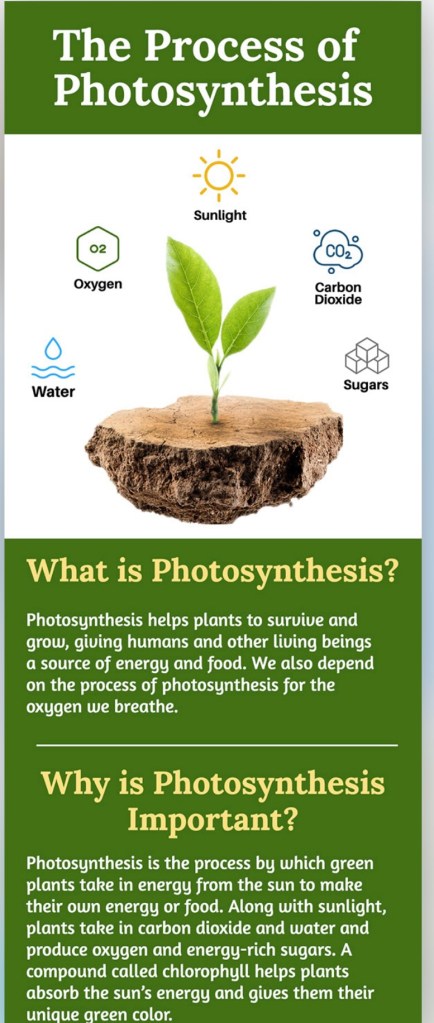
Photosynthesis
Container Gardening

Here is a suggested number of plants that will grow successfully in a 12″ container. It would be a waste of money and time to start more seeds than you’ll need so here’s a simple guideline of where to get started.
Growing in containers is a fun and easy way to start vegetable gardening. They are ideal for anyone with a patio, balcony or rooftop garden. They also are popular among those who rent their home.

- CARROTS – 14
- BROCCOLI – 1
- RADISH – 13
- COLLARD GREENS – 1
- CUCUMBER – 1
- TOMATO – 1
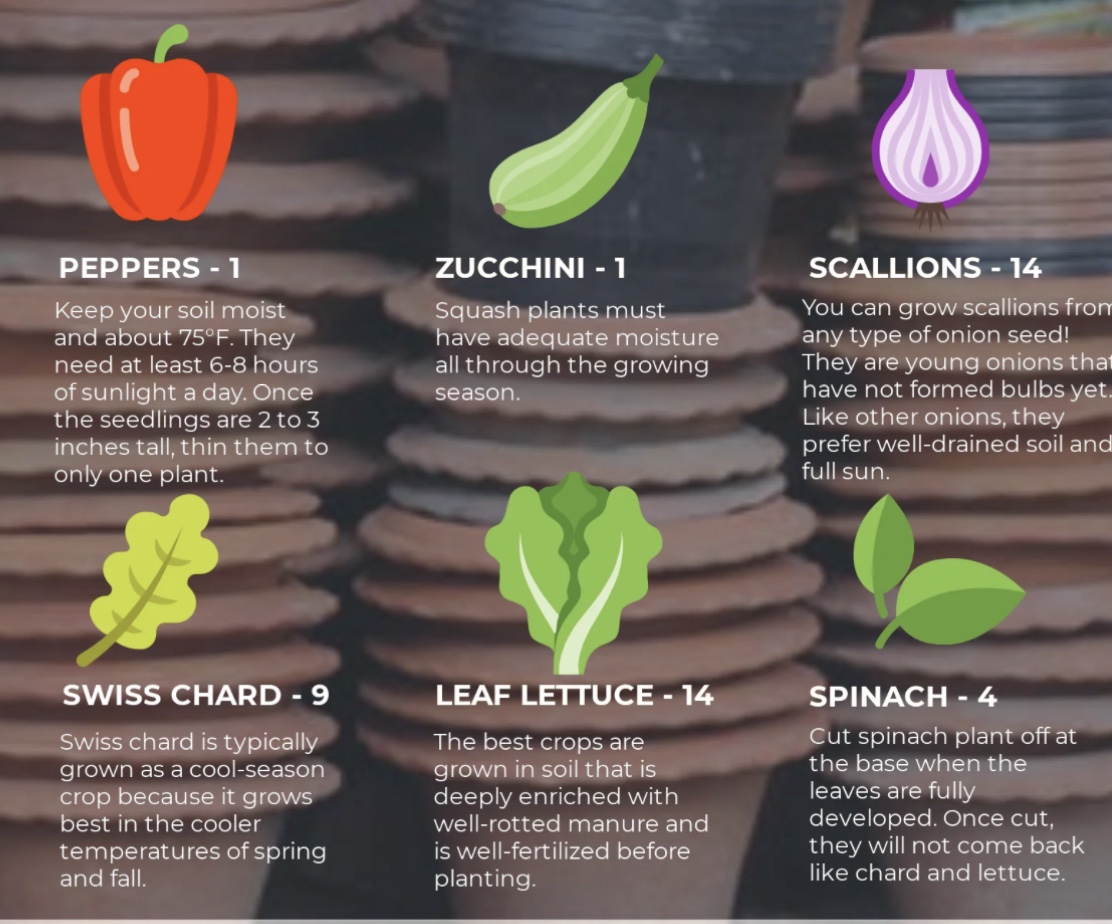
- PEPPERS – 1
- ZUCCHINI- 1
- SCALLIONS- 14
- SWISS CHARD – 9
- LEAF LETTUCE -14
- SPINACH – 4
Fig Trees: How to Grow and Care for them for Maximum Results

By Jennifer Poindexter Figs are a delicious fruit that are high in fiber and filled with flavor. You may use figs for everything from making …
Fig Trees: How to Grow and Care for them for Maximum Results
National Food is Medicine Day – Sept 14

National Food is Medicine Day is celebrated in the United States every year on September 14. Health and food organizations use the day to raise …
National Food is Medicine Day – Sept 14
*FREE* MAMMOTH RED ROCK CABBAGE SEED KIT

Cabbage is an annual cool-season crop, hardy to frost and light freezes.
A smaller cabbage head has better flavor and can stay in the field longer without splitting.

To keep them small, plant close together or, when the head is almost full, give the plant a sharp twist to break up the roots. 😀
Cabbage is a wide spreading foliage plant with handsome leaves that form a tight, hard ball head on a strong central stem.
Young plants may bolt if grown at 50F for a long time; however mature plants of late varieties improve flavor in cold weather.
Did you know? Cabbage is an excellent source of vitamin C!
It also contains significant amounts of glutamine, an amino acid that has anti-inflammatory properties.
Cabbage can also be included in dieting programs, as it is a low calorie food.
How to Plant
Heads must feel hard and solid before cutting. When harvesting, use a sharp knife to cut the head off at the base of the plant, keeping a few outer leaves to protect the head.
In rows 2 1/2 feet apart, with 12-16 inches between plants. For late varieties, rows 3 feet apart and plants 2 feet apart.
How to Harvest Cabbage
The heads must be harvested promptly, or they deteriorate in the field. If there is ample cool and dry storage space, the heads may be harvested and stored for use. Or the ripe heads can be stored in the field by stopping plant growth.
To do this, pull the plant up slightly from the ground until a few roots can be heard snapping.
This will hold the plant for a short while until it can be picked. Some European gardeners have reported success in storing cabbage plants by burying them upside down in a deep soil pit with a thin straw flooring and covering them completely with soil to just below the frost line, with another straw mulch on top.
If you missed the free seed sales, keep checking back and subscribe!
Hopley’s Purple Oregano
Plant Specifications

Specs: Oregano laevigatum (hopley’s purple) Perennial. Half Day Sun. Height: 6-10” when blooming up to 14” tall.
Spread up to a width of Dark purple, green foliage, very attractive with its light scent and flowers.
Blooms a lot throughout the Summer, from May through August.
In the Garden
Hopley’s Oregano is generally considered to be drought resistant but it is not winter hardy. Plant it in a well-drained soil where it will get full sun and be sure to not overwater. The foliage is low growing but the flower stalks can reach up to 2 feet in height. Pruning will help keep your plant from becoming overgrown and when it dies back in the winter, simply cut it back to the ground and it will usually come back in the S
Plant Uses
Hopley’s Oregano is more of an ornamental oregano, but it can also be used as a culinary herb. It has a mild “oregano” flavor when compared to other types of Oregano. In the garden, Hopley’s Oregano produces hundreds or even thousands of tiny purple or lavender color blooms. You can harvest the flowers when they are brightest and use them in fresh flower arrangements or dry them by hanging them upside down.
How to Grow Star Anise (Illicium verum)

By Jennifer Poindexter Are you trying to utilize your grow space by filling it with both beautiful and functional plants? If so, star anise might be …
How to Grow Star Anise (Illicium verum)
How to Grow Ginger in Water Without Soil: Easy Hydroponic Guide

How to Grow Ginger in Water Without Soil: Easy Hydroponic Guide Are you interested in growing ginger in the comfort of your home, with minimal effort…
How to Grow Ginger in Water Without Soil: Easy Hydroponic Guide
How to Compost at Home for Beginners: Easy Guide & Tips

How to Compost at Home for Beginners: Easy Guide & Tips Composting is an eco-friendly way to reduce waste and produce nutrient-rich soil for …
How to Compost at Home for Beginners: Easy Guide & Tips
 Deltona Garden Community