
The annual American basket-flowers are nearing the end of their cycle. There are still a few stalwarts blooming, but basket-flower foliage is crispy,…
Bumbling in Baskets
The annual American basket-flowers are nearing the end of their cycle. There are still a few stalwarts blooming, but basket-flower foliage is crispy,…
Bumbling in Baskets

Growing your own “Victory Garden” food has traditionally been used as a successful safeguard against food shortages and stretching the family food budget to feed your family.
The practice of starting a “Victory Garden” started in 1943 as a way to help feed the American family to offset food shortages when much of the food supply was being directed to our troops during World War 11.
“We want to give every home-gardener easy access to tomato seeds, an abundant tomato harvest of nourishing fruit, and seeds for the future.”
– Gary Ibsen and Dagma Lacey
One tomato seed can provide you as much as thirty pounds of tomatoes and enough of your own seeds to provide you future crops.
Today, the food supply and health of Americans are facing challenges. As a nation, we do not eat enough fruits and vegetables. To make matters worse, much of our fresh foods travel long distances before they arrive at our homes, thereby losing precious nutrients along the way. A substantial portion of this food is grown with injurious pesticides. The increasing food prices (especially for organic food) only magnifies the problem. It is understandable why home gardening is making a resurgence. We are saving ourselves in the process.
If you do not have much of a yard, do not be deterred from growing a garden. Even an 8′ x 8′ garden can grow lots of food.
1 Growing your own vegetables is a good way to save money.
2 You can avoid eating harmful pesticides
3 Homegrown vegetables provide you more nutrition and flavor.
4 Growing foods from your garden will support opportunities for precious bonding experiences with family and friends.
5 The activity of gardening allows you to control much of your food supply and enhance your self-reliance.
6 Gardening will provide you fresh air, outdoor exercise, a connection with the earth and a joyful sense of purpose.
7 By saving seeds from your harvest you will own the future of your foods rather than depending upon other interests.
8 Gardening is a great activity to help relieve stress and improve restfulness.
9 Responsible gardening can reduce your carbon footprint.
10 All gardeners live longer!
In West Virginia, this insect likely has two generations per year. Adults remain throughout the winter, often seeking shelter in crop residues and other organic debris such as dead leaves, mulch or bunches of grass. Adults begin depositing eggs about two weeks after becoming active in the spring.
Harlequin bugs are in the stink bug family and are black with bright red, yellow or orange markings.
The harlequin bug, Murgantia histrionica, is an insect pest of vegetable crops in the Brassicaceae family . Plants commonly attacked by this insect include broccoli, Brussels sprouts, cabbage, cauliflower, collards, kale, kohlrabi, mustard, radish and turnips.
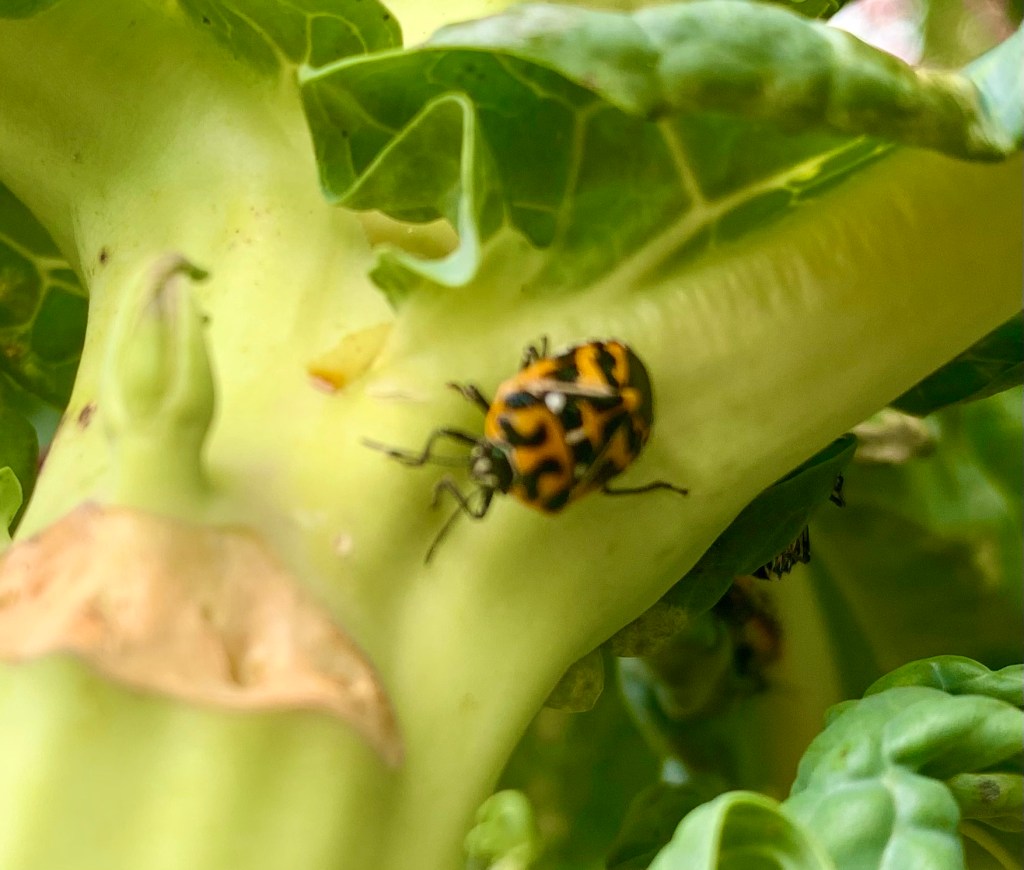
This pest injures host plants by sucking the fluids from plant tissue. This can result in yellow or white blotches at the feeding site and wilted or deformed plants. Heavy infestations can cause plants to turn brown and die.
Cultural and chemical controls can be used to manage harlequin bugs. Destruction of crop residues in the fall is an important cultural practice to limit harlequin bug damage for the following year. Because this insect can also feed and reproduce on wild, weedy mustards (e.g. pepperweed, shepherd’s purse, wild mustard), it is also important to keep weeds under control in fields and along field edges.
In the southern United States where the harlequin bug is a serious pest, trap crops consisting of early planted horseradish, kale, mustard or rapeseed have been used to divert overwintering populations. These crops are then sprayed or destroyed before the primary crop becomes susceptible to attack.
Chemical options for control of harlequin bugs include numerous compounds in the pyrethroid (e.g., beta-cyfluthrin, bifenthrin, lambda-cyhalothrin) and neonicotinoid (e.g., acetamiprid and clothianidin) class of insecticides; pyrethrins are permissible in organic production.
Recently, the harlequin bug has been observed more frequently in the south. Although it is unclear why these insects are becoming increasingly problematic, growers introducing fewer brassica-free periods during the season and/or growers not initiating a strong weed management program may be contributing to its abundance on farms.
Author: Daniel Frank, former WVU Extension Entomology Specialist
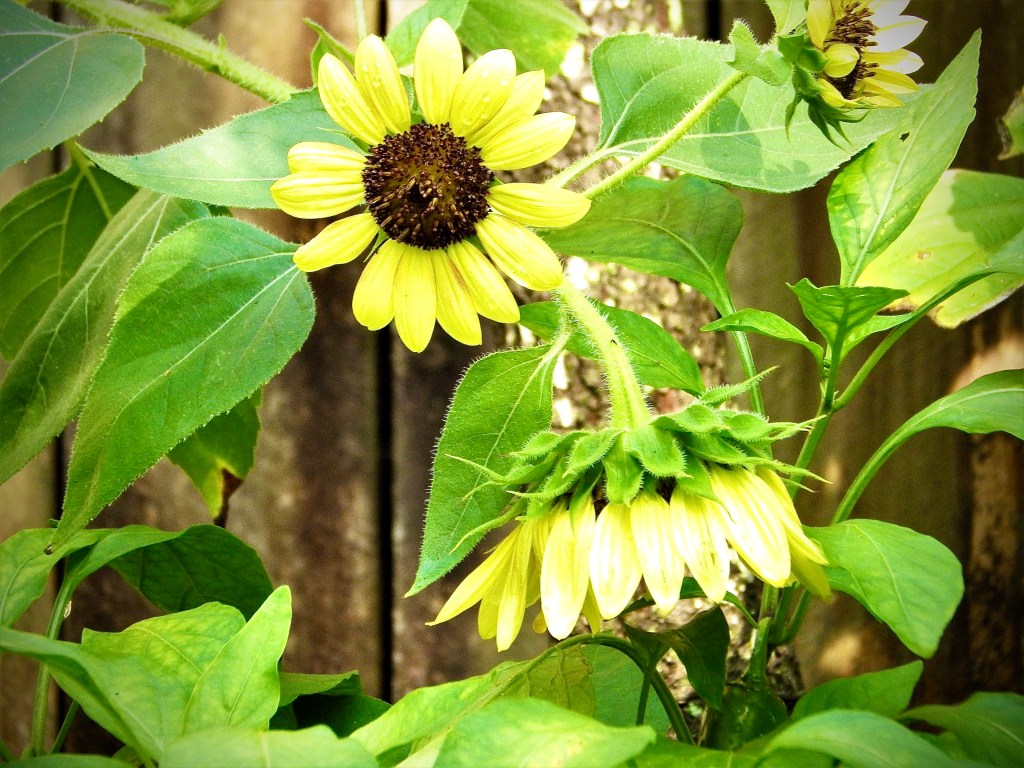
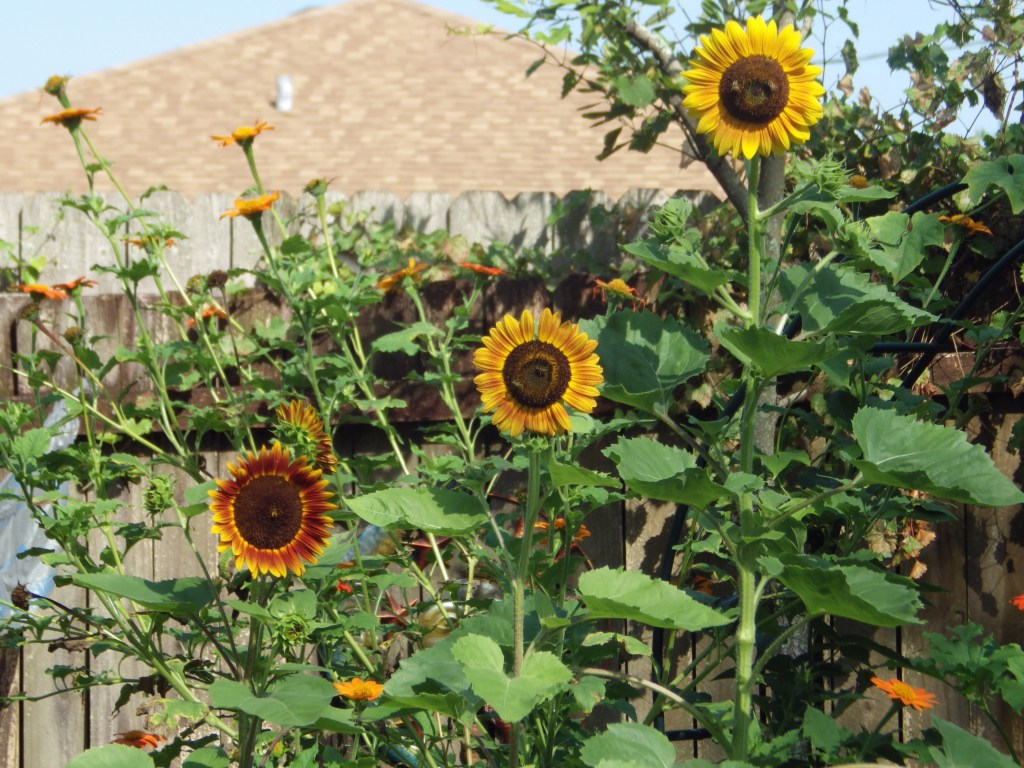
Who doesn’t love Sunflowers 🌻 They bring lots of joy to my garden.

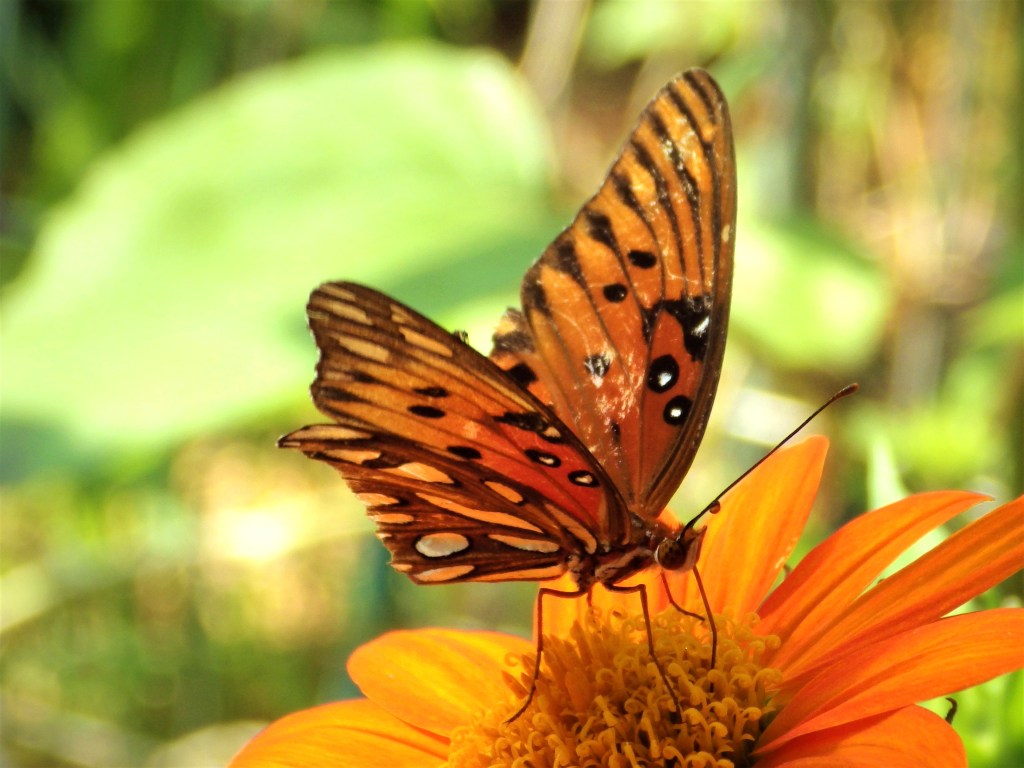
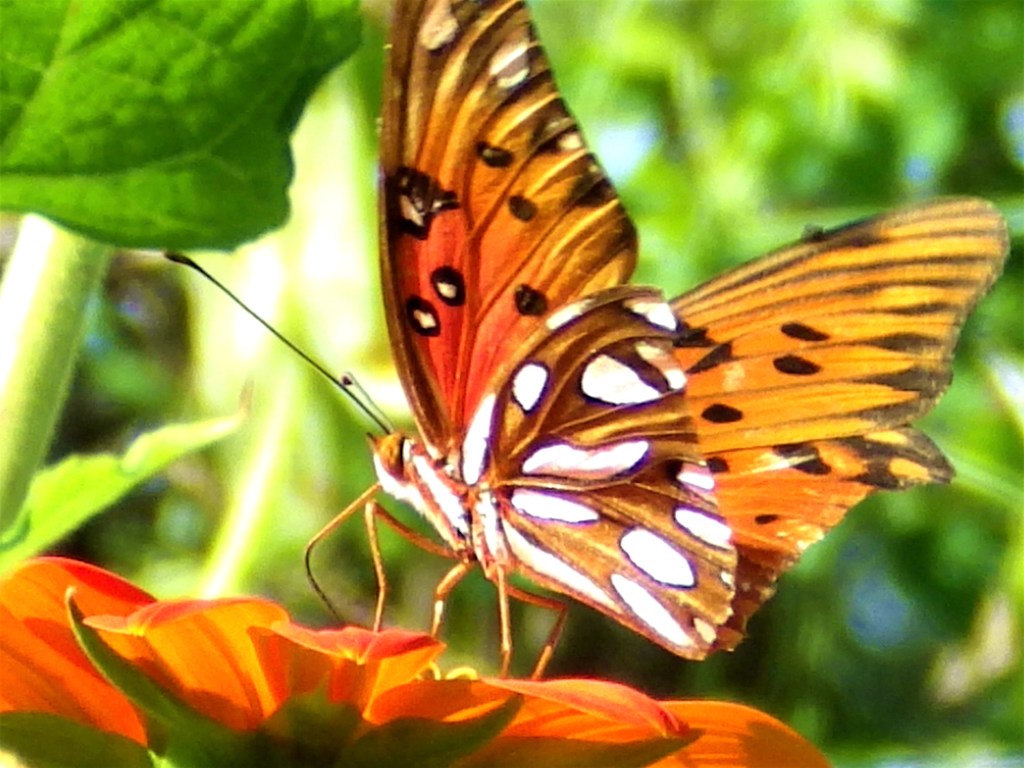
This year the Passion Vine became the home for breeding Gulf Fritillary Butterflies.

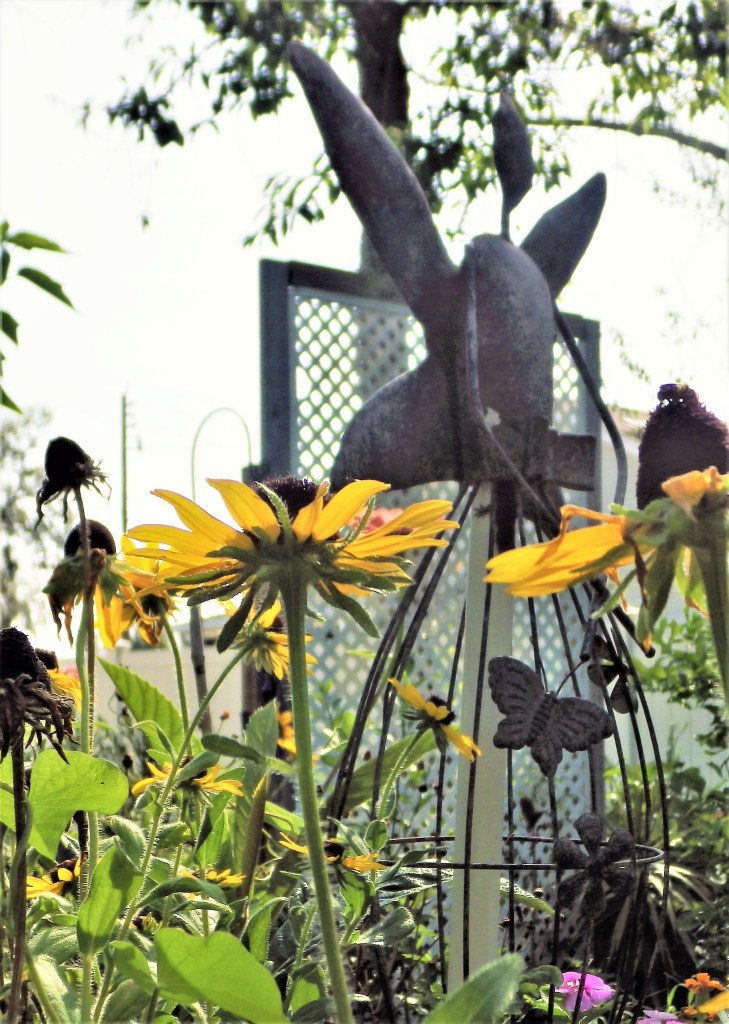
The photos say more than I could. Enjoy viewing and hope it makes you smile.


Ready to start your own butterfly garden? Join DeltonaGardenClub.com/membership to get useful tips and beneficial plants to get you started!!
Certify your Butterfly Garden with DGC.
Friendly reminder; Don’t forget to stop by our monthly “2nd Sunday Swap” 10-3 at Sons and Daughters of Italy Deltona. 7/9/2023

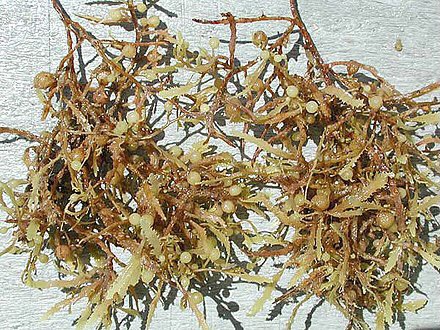
Sargassum was named by the Portuguese sailors who found it in the Sargasso Sea. They called it after the wooly rock rose (Halimium lasianthum) that grew in their water wells at home,
Abundance: Plentiful
What: All Parts
How: Cooked
Where: Sea Shore
When: Spring, Summer
Nutritional Value: Calories and Protein

Harvest Dangers: Sharks and Blue-Green Algae
Medicinal Summary: Liver Protector
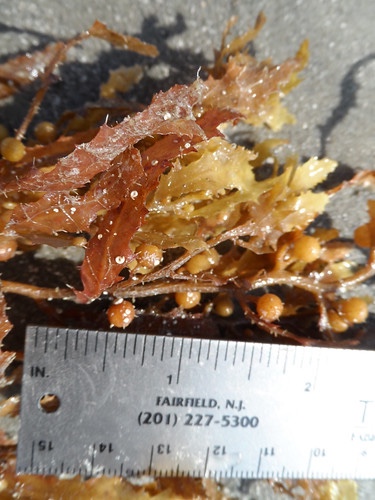
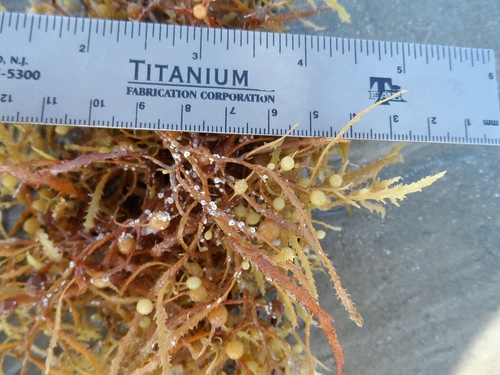
Coating the Gulf Coast shores and floating in the Gulf waters, sargassum seaweed is generally considered to be a nuisance by beach-goers and city officials, but it plays a critical role in stabilizing beach sand when washed ashore. The seaweeds drifts in all year round but is heaviest during the summer. The floating clusters of sargassum are home to many creatures including tiny crabs, shrimp and other crustaceans.
Two forms of sargassum wash up on shores from Florida to Texas. To the untrained eye they look almost identical and since they are both edible, one doesn’t have to be precise in their identification…though you should be. Sargassum fluitans generally has wide, short-stalked “leaves” and its pods usually are not tipped with small spikes. Sargassum natans has long, narrow “leaves” and its pods generally do have a single, tiny spike at the end opposite that attached to the main body.
All parts of sargassums are edible, including the numerous crustaceans that make this seaweed their home. It has a somewhat bitter flavor and is not considered to be as desirable as many of the more northern Pacific and Atlantic seaweeds. However, it is quite plentiful and a decent source of calories. Traditionally it is chopped up and cooked in many ways including boiled, steaming, and sauteeing in hot oil. Experiment until you find a method and flavor you like.
NOTE; The sargassum seaweed will be at its most fresh when plucked from the water rather than collected from shore but watch out for sharks in the water. Perhaps more of a threat is the possibility of contamination with toxic blue-green algae so if the sargassum isn’t brown to reddish in color avoid it.

•Your fences need to be horse-high, pig-tight and bull-strong.
•Keep skunks and bankers at a distance.
•Life is simpler when you plow around the stump.
•A bumble bee is considerably faster than a John Deere tractor.
•Words that soak into your ears are whispered… not yelled.
•Meanness don’t jes’ happen overnight.
•Forgive your enemies; it messes up their heads.
•Do not corner something that you know is meaner than you.

•It doesn’t take a very big person to carry a grudge.
•You cannot unsay a cruel word.
•Every path has a few puddles.
•When you wallow with pigs, expect to get dirty.
•The best sermons are lived, not preached.
•Most of the stuff people worry about ain’t never gonna happen anyway.
•Don’t judge folks by their relatives.
•Remember that silence is sometimes the best answer.
•Live a good, honorable life… Then when you get older and think back, you’ll enjoy it a second time.
•Don ‘t interfere with somethin’ that ain’t bothering you none.
•Timing has a lot to do with the outcome of a Rain dance.
•If you find yourself in a hole, the first thing to do is stop diggin’.
•Sometimes you get, and sometimes you get got.
•The biggest troublemaker you’ll probably ever have to deal with, watches you from the mirror every mornin’.

•Always drink upstream from the herd.
•Good judgment comes from experience, and a lotta that comes from bad judgment.
•Lettin’ the cat outta the bag is a whole lot easier than puttin’ it back in.
•If you get to thinkin’ you’re a person of some influence, try orderin’ somebody else’s dog around..
•Live simply. Love generously. Care deeply. •Speak kindly. Leave the rest to God.
•Don’t pick a fight with an old man. If he is too old to fight, he’ll just kill you.
•Most times, it just gets down to common sense.

DeltonaGardenClub.com 🪴🌻👨🏻🌾
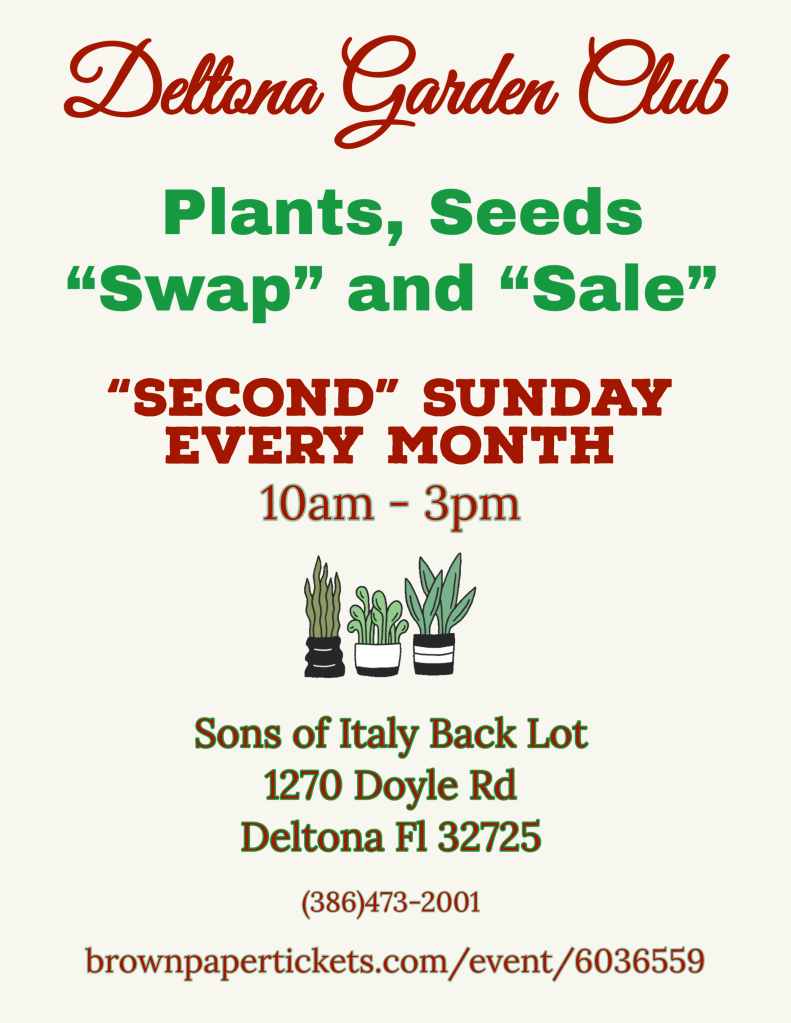

There are many different all natural garden fertilizers that you can use right in your garden or with potting soil. Some of these fertilizers can be made or collected at home using common items from your pantry or your backyard. Here are 8 of our favorite DIY fertilizers for a variety of needs.
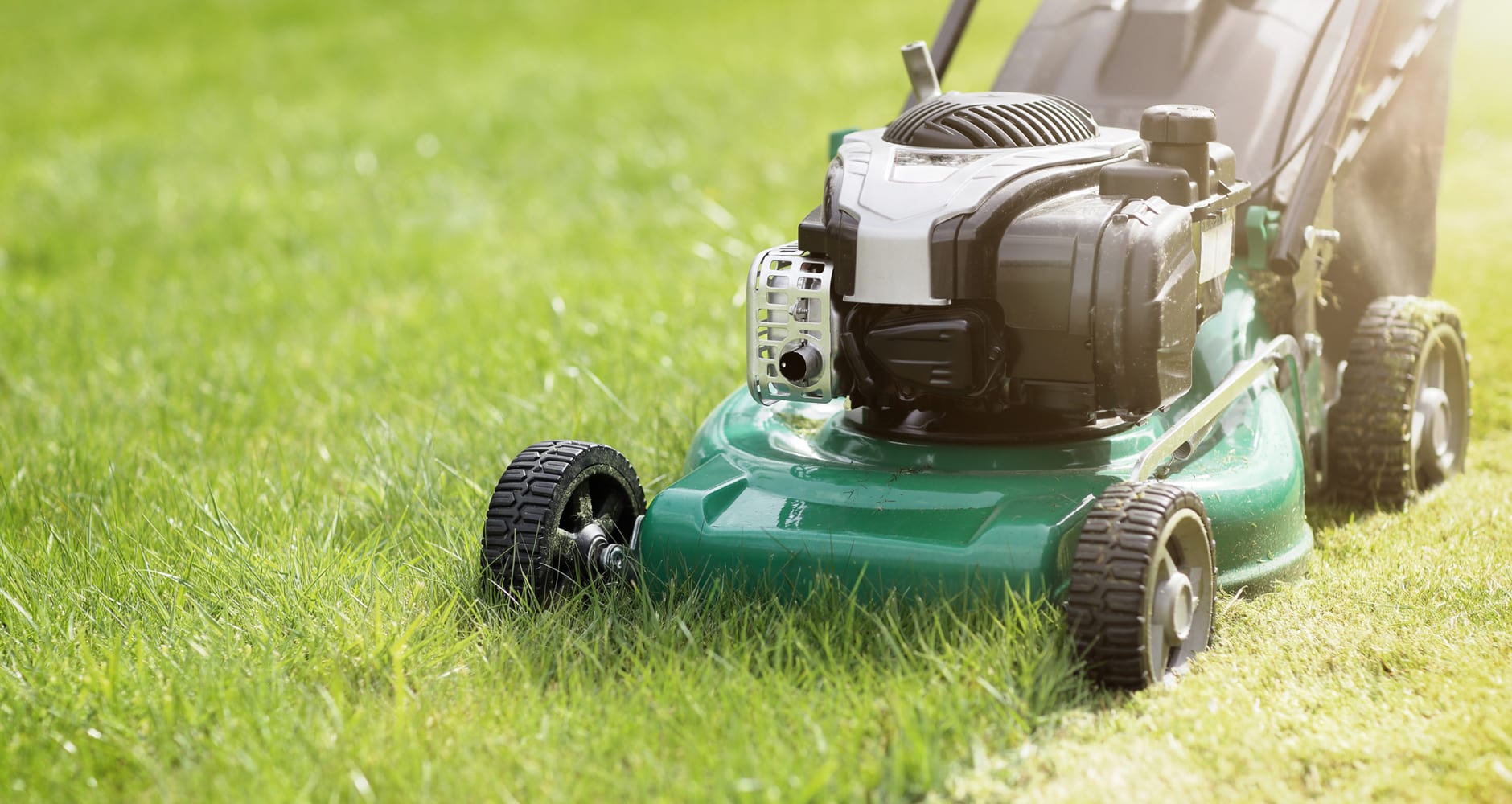
Grass clippings are rich in nitrogen.
If you have an organic lawn, make sure to collect your grass clippings to use on your gardens. Half an inch to an inch of grass clippings makes a great weed-blocking mulch, and it is also rich in nitrogen, which is an essential nutrient for most plants.
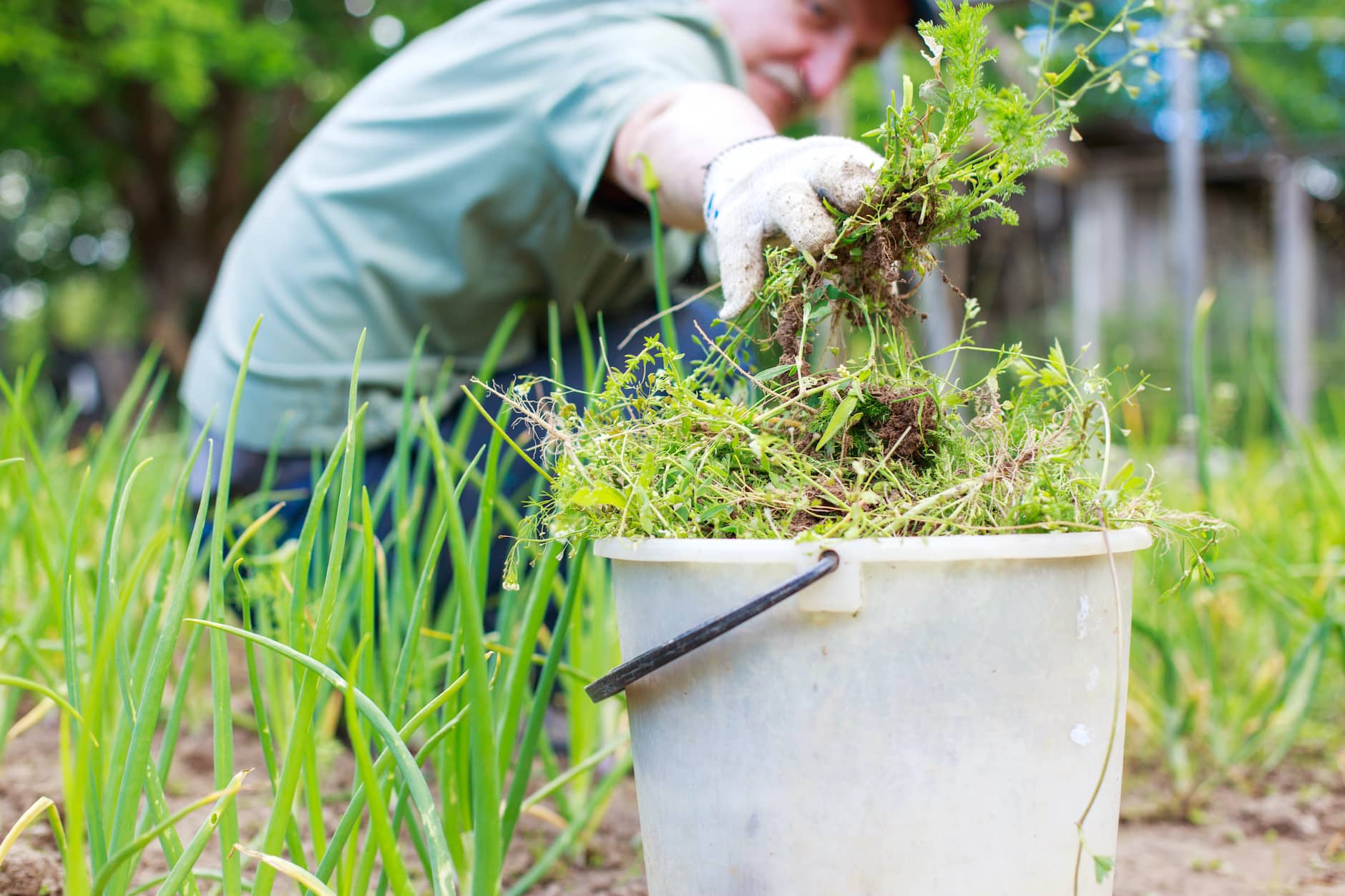
Weed tea makes great fertilizer.
Just like grass clippings, many of the weeds that you’ll find in your gardens are very high in nitrogen and will make an excellent fertilizer. The problem is, once you’ve pulled the weeds, you certainly won’t want to put them back in the garden because any seeds will sprout and make new weeds. The solution? Make weed tea. To do this, fill a five-gallon bucket no more than 1/4 full with weeds that you’ve pulled. Then fill the bucket the rest of the way with water, and let the weeds soak for a week or two. Once the water turns nice and brown (like tea), pour this nutrient-rich weed tea on your gardens.
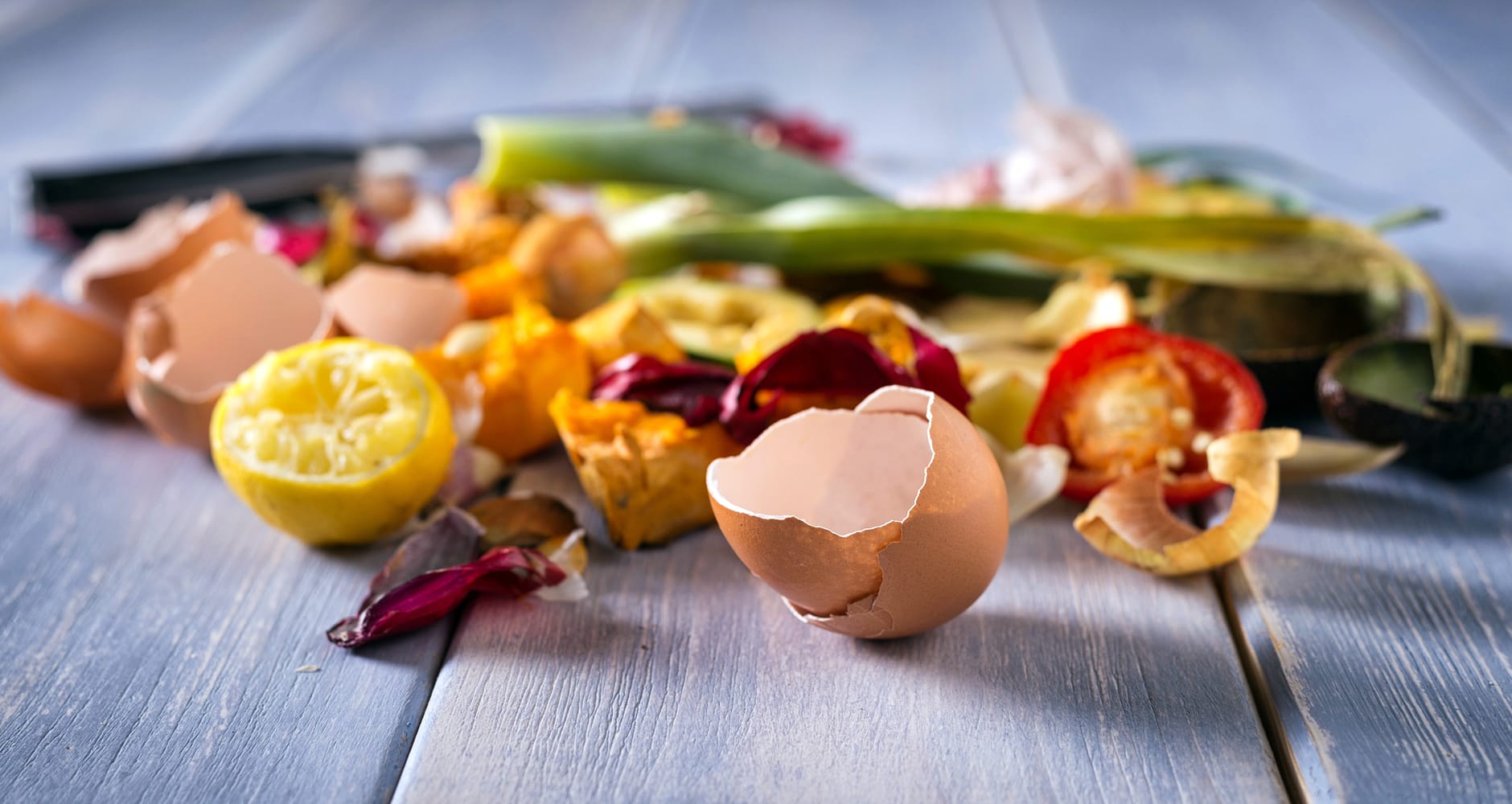
Compost
Put your kitchen and garden waste to work by making your own compost. Compost releases nutrients slowly, which means a well-composted garden can go a year or two without requiring reapplication of fertilizer. Compost also helps the soil retain moisture, which is essential for vegetable gardens to thrive during hot, dry summers.
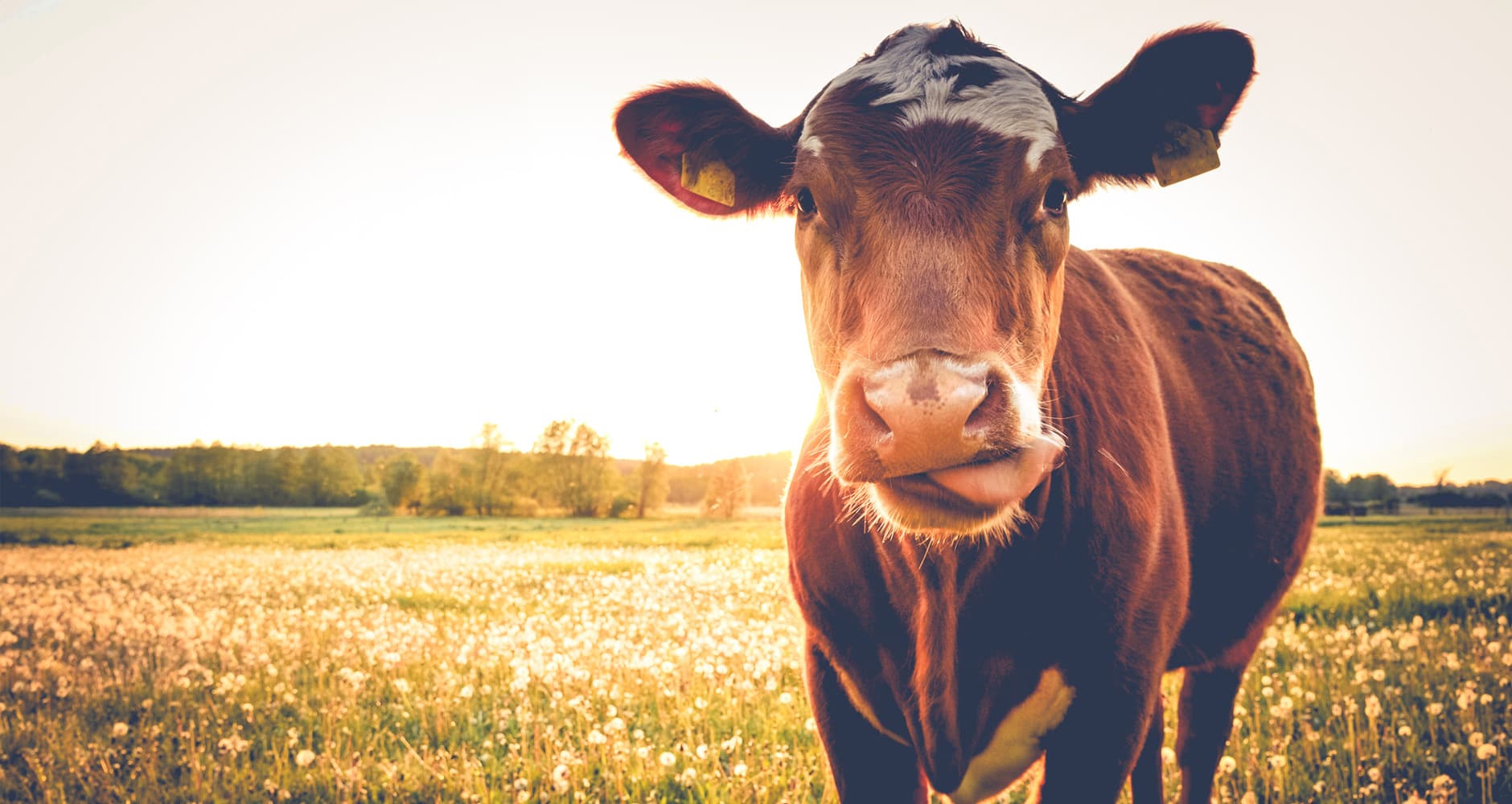
Manure comes from a variety of sources — cows, horses, chickens, and even bats. Each type of manure is high in nitrogen and other nutrients, but you’ll need to use it carefully. Raw manure is highly acidic and may actually have more nutrients than your plants need, so too much can burn your plants. It’s best to use composted manure. Since it is less nutrient-dense and acidic, you can use more of it to improve your soil’s water retention without risking your plants. You won’t have to wait long—manure quickly turns to a perfect odor-free soil amendment.
Rather than bagging up the fall leaves and putting them out on your curb, collect them for your gardens instead. Leaves are rich with trace minerals, they attract earthworms, they retain moisture, and they’ll help make heavy soils lighter. You can use leaves in two ways: Either till them into your soil (or mix crushed leaves into potting soil), or use them as a mulch to both fertilize your plants and keep weeds down.
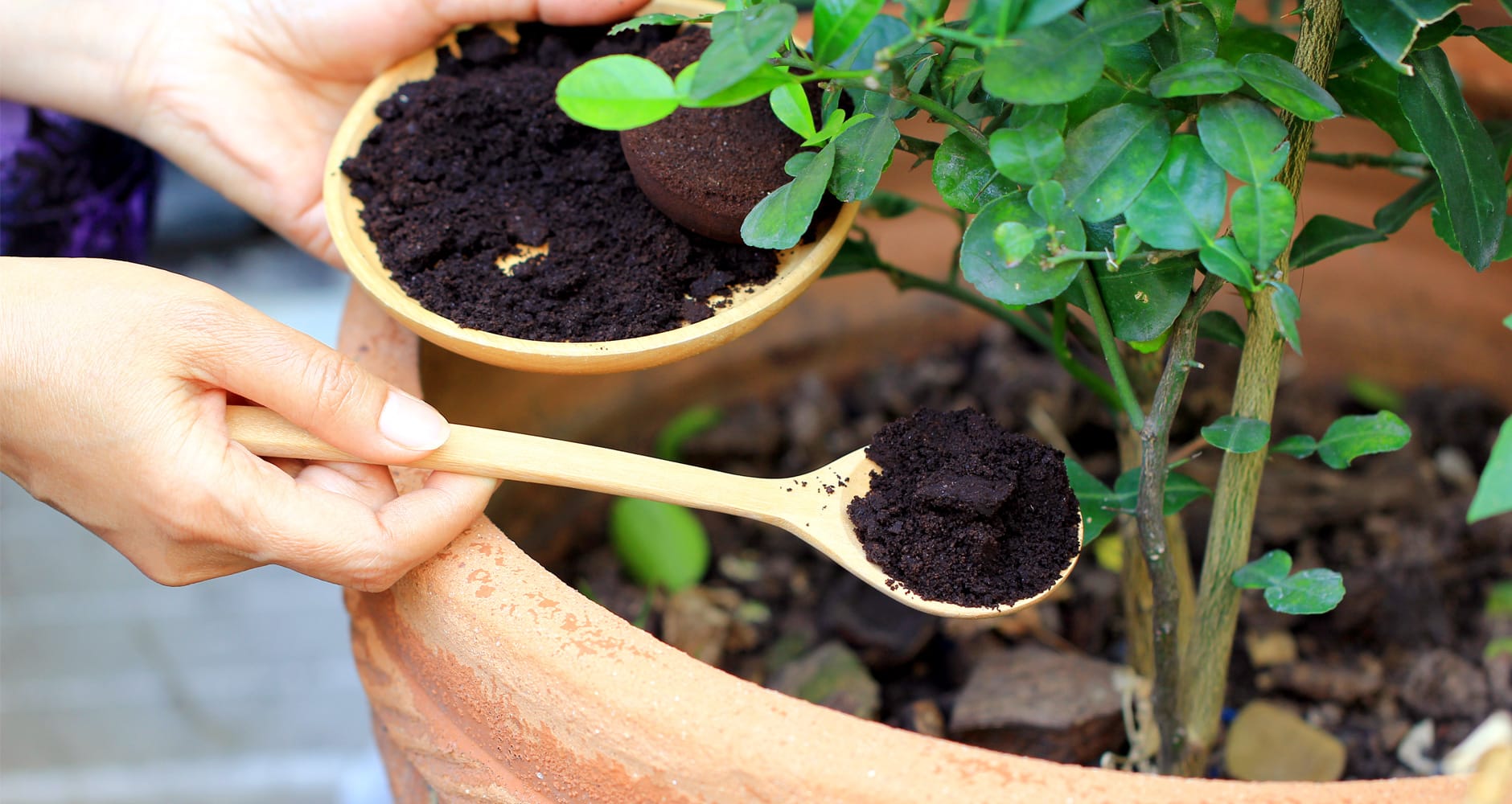
Coffee grounds come with a lot of uses, but one of their best is as a garden fertilizer. Lots of plants, such as blueberries, rhododendron, roses, and tomatoes, thrive best in acidic soil. Recycle your coffee grounds to help acidify your soil. There are a couple of ways to do this— you can either top dress by sprinkling the used grounds over the surface of the soil, or you can make “coffee” to pour on your gardens. Soak up to six cups of used coffee grounds for up to a week to make garden coffee, then use it to water your acid-loving plants.
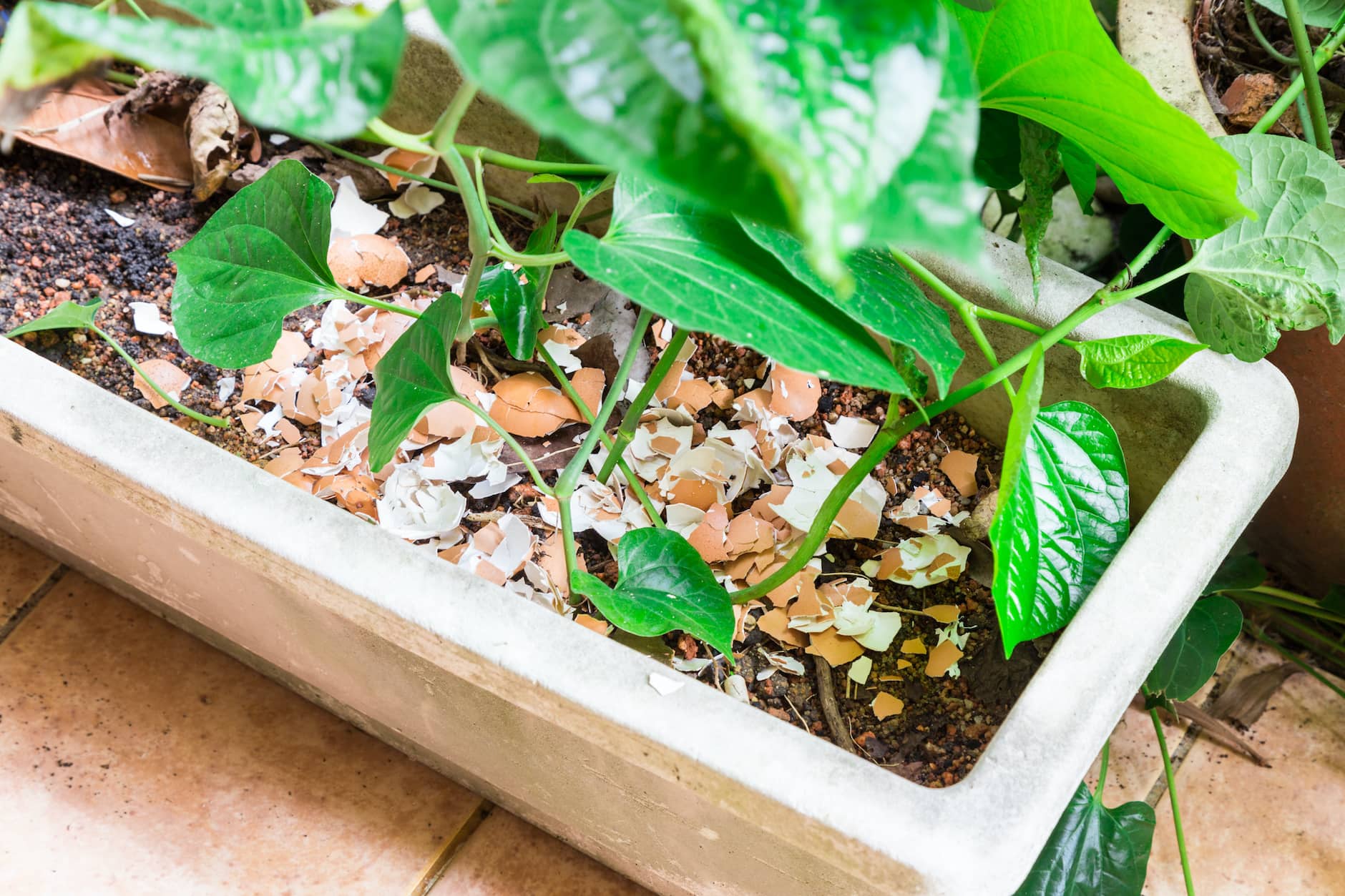
Egg shells help lower the acidity of your soil.
If you’ve ever used lime on your garden, then you know it comes with lots of benefits — chiefly, it helps lower the acidity of your soil for plants that don’t like acid, and it provides plants with lots of calcium, which is an essential nutrient. Lime itself is an all-natural fertilizer that you can buy at the garden center, but if you’d rather save some money, there is a cheaper way to get the same benefits. Simply wash out the eggshells from your kitchen, save them, and crush them to use in your garden. It turns out that eggshells are 93% calcium carbonate, which is the scientific name for lime. See what else you can do with eggshells here!
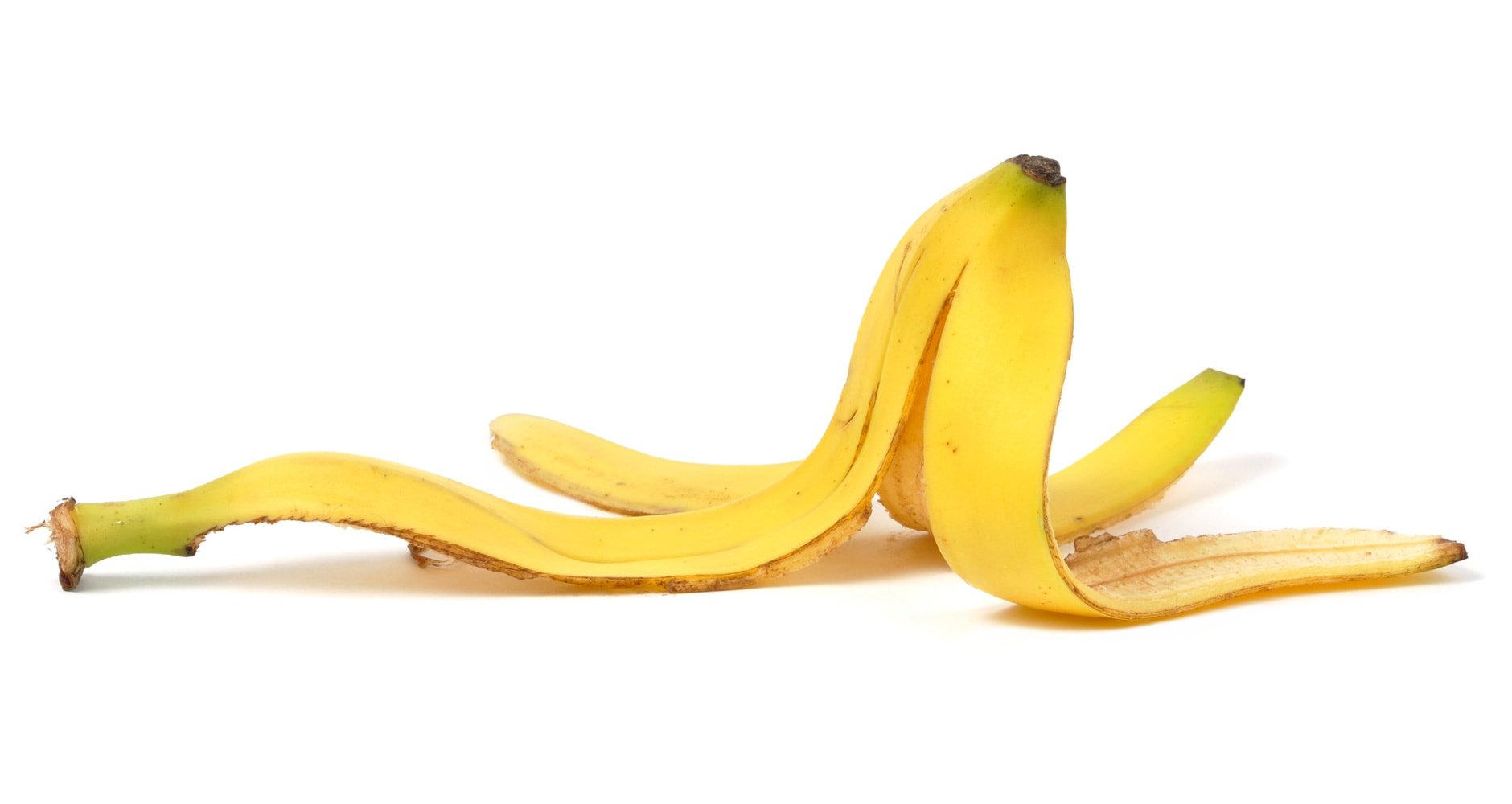
We eat bananas for their potassium, and roses love potassium too. Simply bury peels in a hole alongside the rose bush so they can compost naturally. As the rose grows, bury the peels into the soil’s top layer. Both of these approaches will provide much-needed potassium for the plant’s proper growth
Aphids on Milkweed
All Milkweed are prone to aphids – it is just part of what you deal with.
You can use natural pesticides late in the evenings, but even better use Palmolive dish washing liquid.
Do not use the newer versions of this or other brands, but instead just use the old green variety, because the ‘surfactants’ it contains will not harm the plant or the pollinators coming to feed.
In agriculture, surfactants (short for “surface-acting agents”) help farmers use herbicides and pesticides more efficiently by making applications stick to the plants.
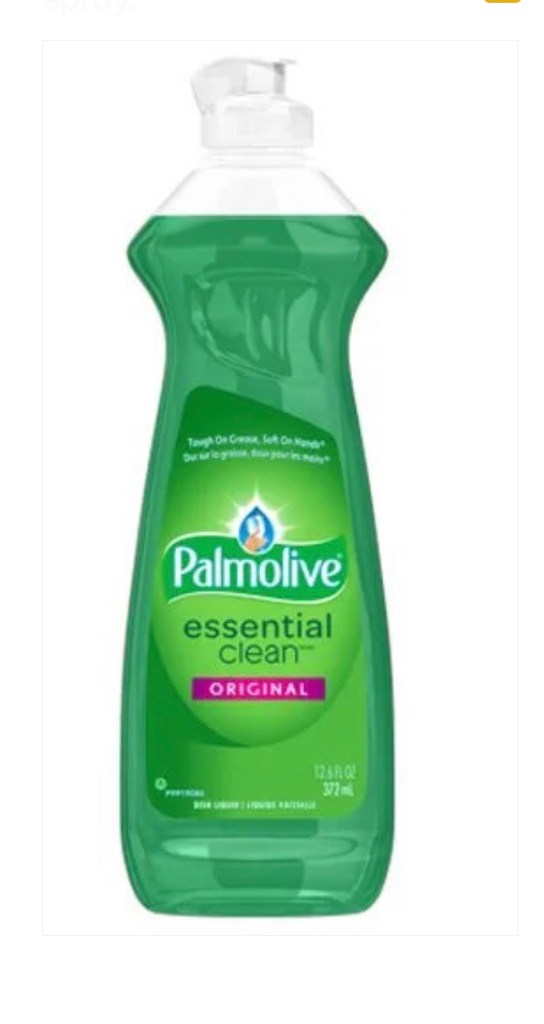
This dish washing liquid will serve as a pesticide to aphids and other sucking insects. (I also use it on the beetles on my tomatoes.)
You can also just spray the aphids off with the hose but they tend to come back when handled this way.
Use 2 Tablespoons of this soap in a Windex sized spray bottle and gently slosh around to mix, then spray.
 Deltona Garden Community