








Congratulations Barry!
Thank you for sharing your yard and talent with the community. You are an inspiration.
The Signs of Bacterial Leaf Spot
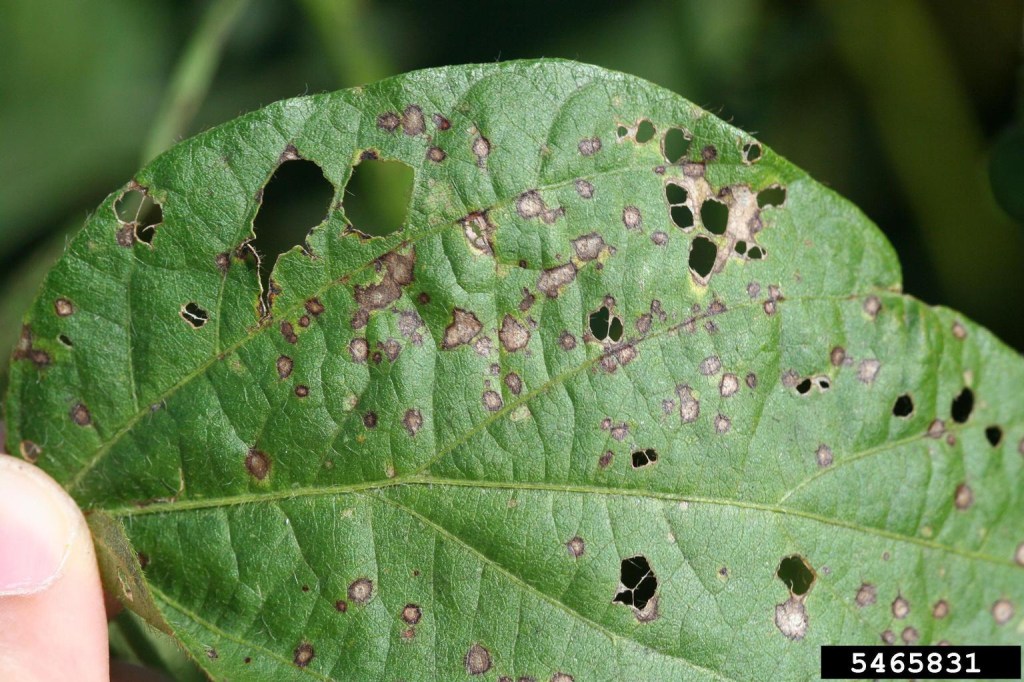
The problem with bacterial leaf spot is that it shows up on plants in many different ways, making identifying this disease harder.
Some symptoms of bacterial leaf spot include:
• Black-edged lesions on the leaves
• Brown spots with yellow halos on the leaves
• Light and dark areas throughout the foliage
• Brownish-yellow edges of the leaf
• Papery, dry leaves that break off easily.
Prevention is key when it comes to avoiding Leaf Spot in your houseplants.
Proper watering: Bacterial Leaf Spot thrives in damp conditions, so it’s important to avoid over-watering your plants. Water your plants only when the soil is dry to the touch, and avoid getting water on the leaves. Proper irrigation can go a long way to prevent this.
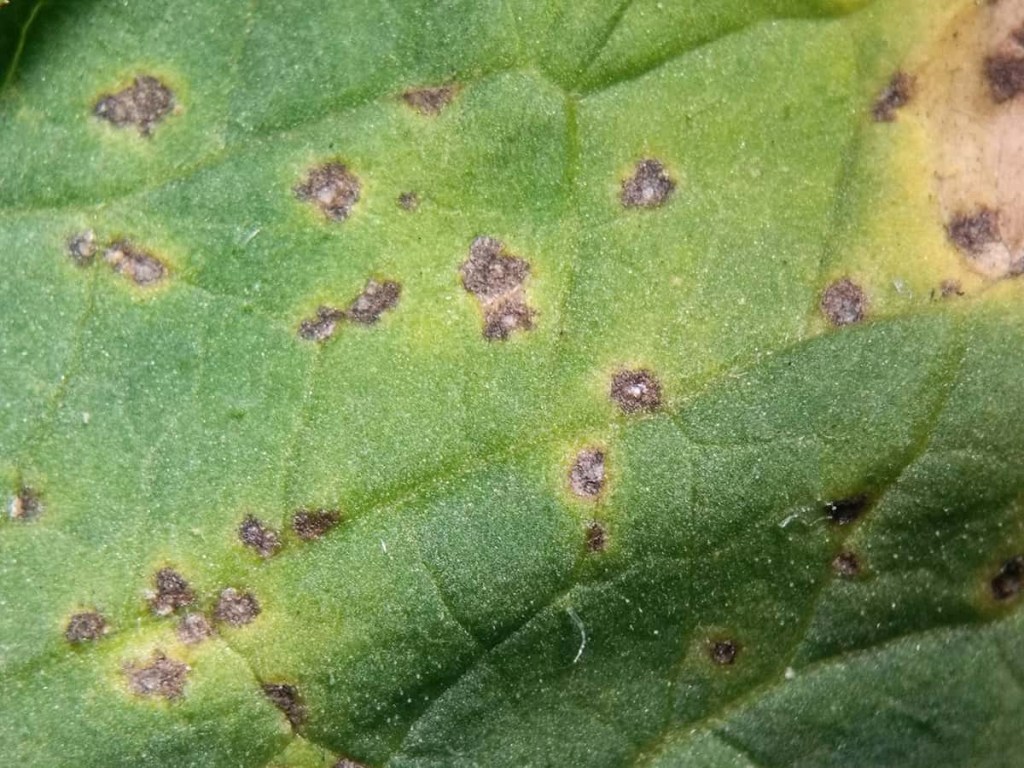
Good air circulation: Good air circulation is essential for preventing Bacterial Leaf Spot, as it helps to keep the leaves dry. Be sure to space your plants out adequately and avoid overcrowding. High humidity is a breeding ground for bacteria.
Cleanliness: Regularly cleaning your plants and their surroundings can help prevent the spread of Bacterial Leaf Spot. This includes removing fallen leaves and dead plant material and disinfecting your tools and surfaces.
Resistant varieties: As mentioned in the treatment section, planting disease-resistant varieties of plants can help prevent Bacterial Leaf Spot and other plant diseases.
By following these simple preventative measures, you can keep your houseplants healthy and free from Bacterial Leaf Spot. And, if you do encounter an infection, the treatments and preventative measures outlined in this blog post will help you get your plants back on the road to recovery.
Common Plants for Bacterial Leaf Spot
No plant is safe from this disease. It likes ornamental and edible plants, but some of the most common hosts are:
• Lettuce
• Beets
• Eggplant
• Peppers
• Philodendrons
• Stone fruit trees, such as apricot, peach, plum, and cherry
• Tomatoes
• Peppers
Bacterial leaf also infects some annual and perennial flowers, but not as often as they infect vegetable plants and fruit trees. Some common flowers that it attacks include:
• Zinnias
• Geraniums
• Purple Cone Flowers
• Black-Eyed Susan
1. Plant Resistant Seeds
The first preventative measure is to plant disease-resistant seeds. Some seeds are resistant to specific bacteria, so make sure to read the description of the plants or seeds before you buy them.
2. Rotate The Crops
Many diseases, including bacterial leaf spot, live in the soil for years, so is essential. Some crops are more likely to fight off this disease, and others are more vulnerable.
3. Water at the Base
Never water overhead; water on the foliage encourages the spread of bacteria. We can’t control the rain, but we can control watering overhead. Always water your plants at the base.
If the bacteria live in the soil and water from a sprinkler splashes it up onto your plant, it can become infected. It’s that easy, so always avoid sprinklers. Drip irrigation systems are the way to go.
4. Remove Plant Debris
Plant debris creates a home for bacteria to live in, even if the plants were disease-free. Removing plant debris is even more important when the plants are infected by any disease.
5. Lay Mulch
Always lay a thick layer of mulch under your plants and trees to cover the soil. Mulch has several benefits in the garden, but when it comes to this disease, it stops water from splashing soil onto your leaves.
6. Prune and Stake Plants
Stake large plants, like tomatoes, that have the possibility of tipping over and touching the ground. The leaves need to stay off of the ground where the bacteria lives.
Always disinfect your pruning equipment after each cut using a mixture of one part bleach and four parts water. You don’t want to spread bacteria to a healthy plant.
How to Treat
1. Spread Copper Fungicide
One treatment method is using a copper fungicide spray on the crops. It’s only effective if it’s applied early in the disease cycle. If the disease has progressed, don’t expect this to work.
Copper sprays, when used weekly, may prevent the spread of this bacteria, but won’t get rid of it entirely.
2. Try a Baking Soda Solution
Some gardeners say that a baking soda solution works well to stop the spread. Mix one tablespoon of baking soda, 2 1/2 tablespoons of vegetable oil, and one teaspoon liquid dish soap in one gallon of water.
Use this when you notice signs of the disease. Spray every two weeks to help stop the progression.
Some plants burn when exposed to baking soda, so be sure to try just one or two before spraying your entire plant.
3. Neem Oil
Another option is to use neem oil to stop the spread of bacterial leaf spot. Remember, you won’t be able to get rid of it entirely, so slowing the spread is the next best bet.
Neem oil is one of the best treatment sprays for organic gardeners to have available at all times. It treats and prevents a range of common problems that gardeners face.
4. Try Copper and Pyrethrins
One safe treatment method for many fungal diseases and pests is Bonide Garden Dust, a combination of copper and pyrethrins. Cover the tops and undersides of leaves with a uniform layer of dust. Repeat the application every 7-10 days or as needed.
NOTE: 🚫🙈
Never compost plants that are infected with diseases; they’ll infect your entire compost.
If you have remedies that have worked, leave your comments for others!
In honor of The Senator, we named our massive Stag-horn Fern for the Old Cypress. Read on ….
Although humanity is destroying the planet quicker than Mother Nature can recover, fortunately, there are still natural wonders in this world that have survived for thousands of years.
All of the trees on this list are/were at least 3,500 years old — unfortunately, a few of these ancient giants were destroyed by human hands.
The rest of the surviving trees on this list are protected to prevent their destruction and one of the oldest individual trees even has a secret location not disclosed to the public. With continued conservation efforts, hopefully these trees will live for thousands of years more.
Age: estimated to be 3,500 years
Species: Pond cypress (Taxodium ascendens)
Location: Longwood, Florida
Still Alive: No
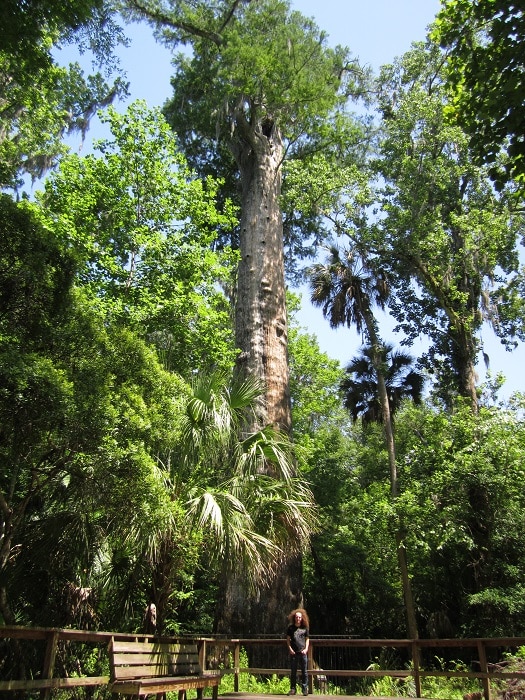
photo source: Wikimedia Commons
The Senator was one of the oldest and biggest bald cypress trees in the world with an estimated age of 3,500 years.
Prior to its demise, The Senator was 36 m tall (118 ft) with a circumference of 10.7 m (35 ft) — the tree was originally 50 m (165 ft) tall, but the top was damaged by a hurricane in 1925.
Unfortunately, the Senator was destroyed by a fire in 2012, which was started by Sarah Barnes and a friend who were smoking inside the tree; she left the fire burning which destroyed the tree from the inside out.
In 2014, a 50-foot-tall clone of The Senator (one of 10 trees cloned from The Senator in the 1990s) was planted in the park and named “The Phoenix.”
Did You Know?
In 2013, a group of artists were given permission by Seminole County to make vases, pens, flutes and sculptures from the charred remains of The Senator to pay respect to the fallen tree.
Have you ever visited Big Tree Park? The remains of the Senator are still visible but decaying. Sadly the park was named for the big tree that no longer exists.

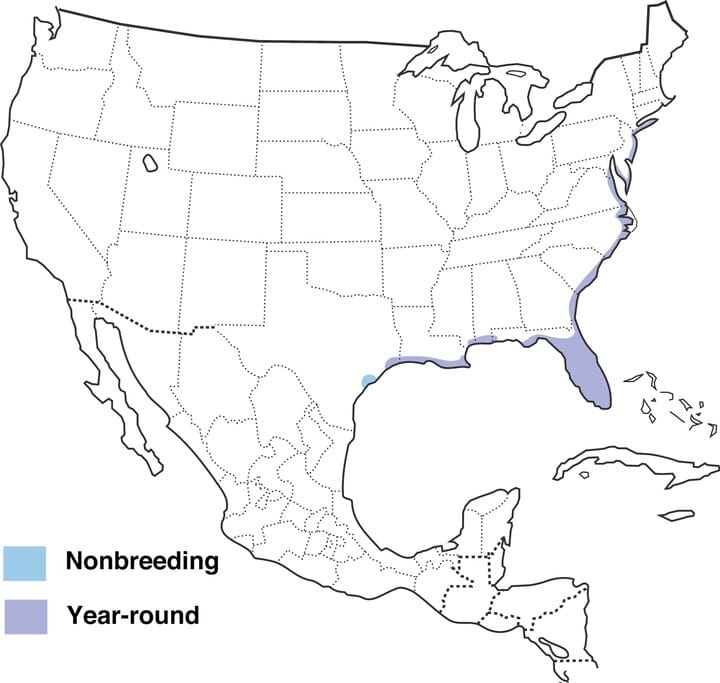
Year-round resident. Most individuals spend their lives within about 10 miles of their birthplace.
The longest recorded movement comes from a second-year male that was banded in Charleston, South Carolina, and recovered in Daytona Beach, Florida, about 320 miles away by land.
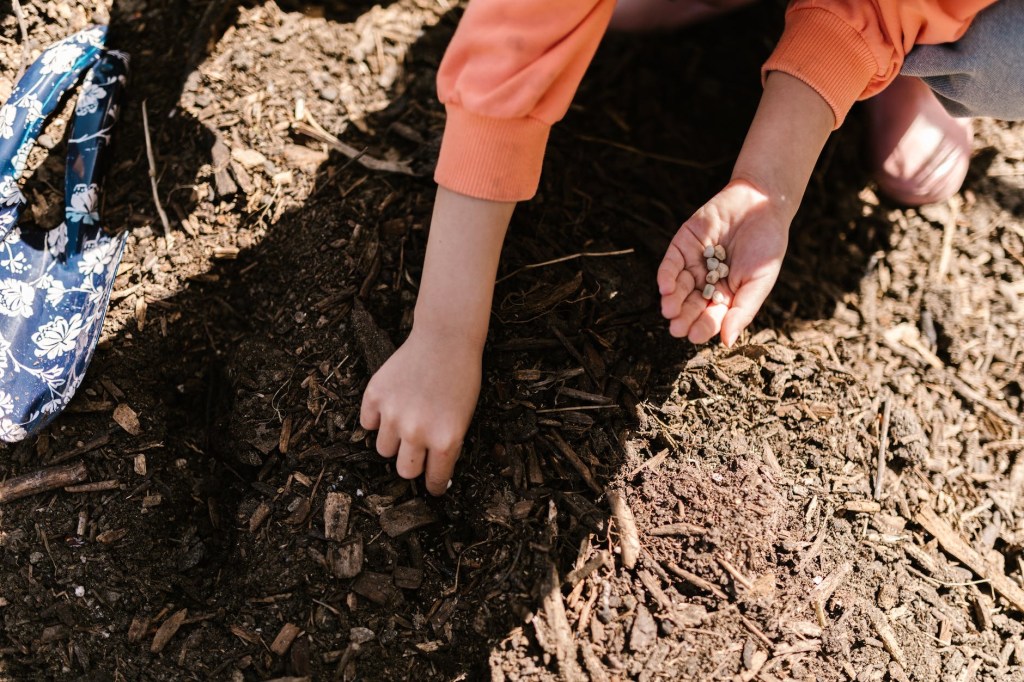
Open-pollinated. Open-pollinated seeds are those that have been collected from plants that have undergone pollination from natural sources such as insects, birds, bats, wind, and fire. The offspring of open-pollinated plants will remain true to type – they will exhibit the same traits as their parents. (An exception to this occurs when two different varieties within the same species share pollen. This happens frequently when growing squash plants). When collecting and saving seed, do so from open-pollinated varieties.
Hybrid. Hybridized seed is produced when human plant breeders control the pollination of two different species or varieties and deliberately cross them together. The goal of hybridizing seed is to create plants that have traits that are desirable to growers. For example, they may be resistant to bolting or have a double flower form.
F₁. No, it’s not a tornado category! F₁ is the designation for the first generation of a hybridized seed. These seeds will possess the traits the varieties were specifically bred for. F₁ seed cannot be saved, as there are no guarantees that successive generations will be true to the parent (that is, exhibit the desired traits of the hybrid).
Heirloom. Heirloom seeds are those that are passed down from generation to generation, often within a certain geographical location. Some seed suppliers designate varieties that have a documented history of 50 years or more as heirlooms. Heirloom seeds are always open pollinated.
Treated or dressed seed. Treated seeds have been dressed with a coating that may contain fungicides, antimicrobial chemicals, or insecticides. The goal of applying the chemical at the same time the seed is planted is to minimize the risk of problems from insects or disease.
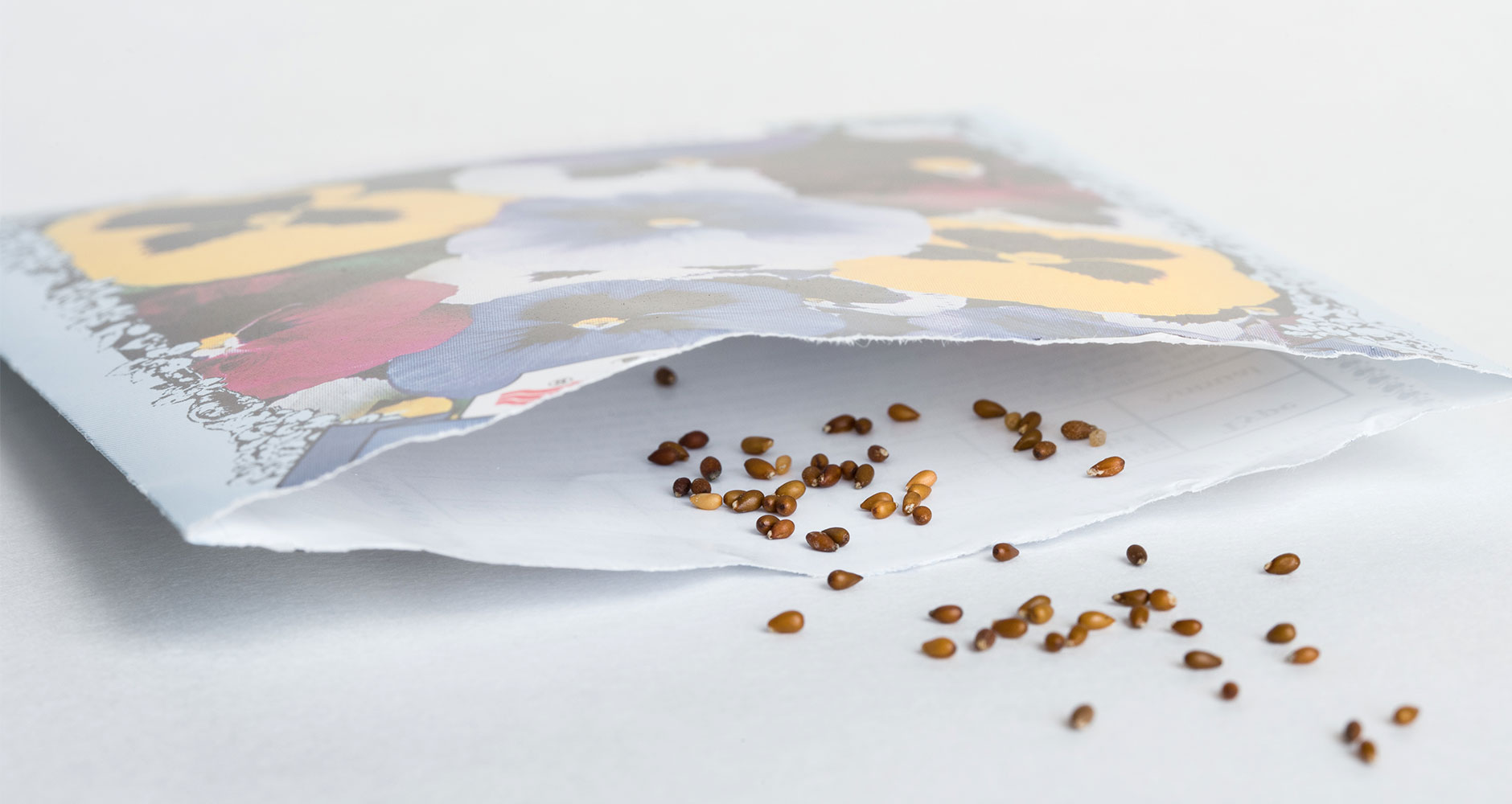
Days to maturity or days to harvest. This is the number of days it takes for a seed directly sown into the ground to germinate and grow to maturity. (In the case of transplants, it is the number of days from the time the plant is placed in the ground to the time it produces flowers or fruit). Unfortunately, this number isn’t set in stone – it may be altered by growing conditions and weather. It does act as a good guideline, however, and you can look at your region’s frost-free dates and use the days to maturity number to see if you have enough time to grow your crop and bring it to harvest.
Days to germinate. This is the number of days, under optimal growing conditions, that a seed will take to sprout.
Bare root. This is a common way for nurseries to ship trees, shrubs, and herbaceous perennials. Plants are dug up, the soil is washed from their roots, and they are wrapped in a damp packing material for mailing. Bare root plants are usually cheaper to buy than those in containers.
Certified organic. Organic crops (and seeds collected from them) are grown without the use of synthetic pesticides or other chemicals. To be certified organic, a farmer or seed supplier must meet a series of standards issued by the government or other certifying body. These requirements may differ from country to country.
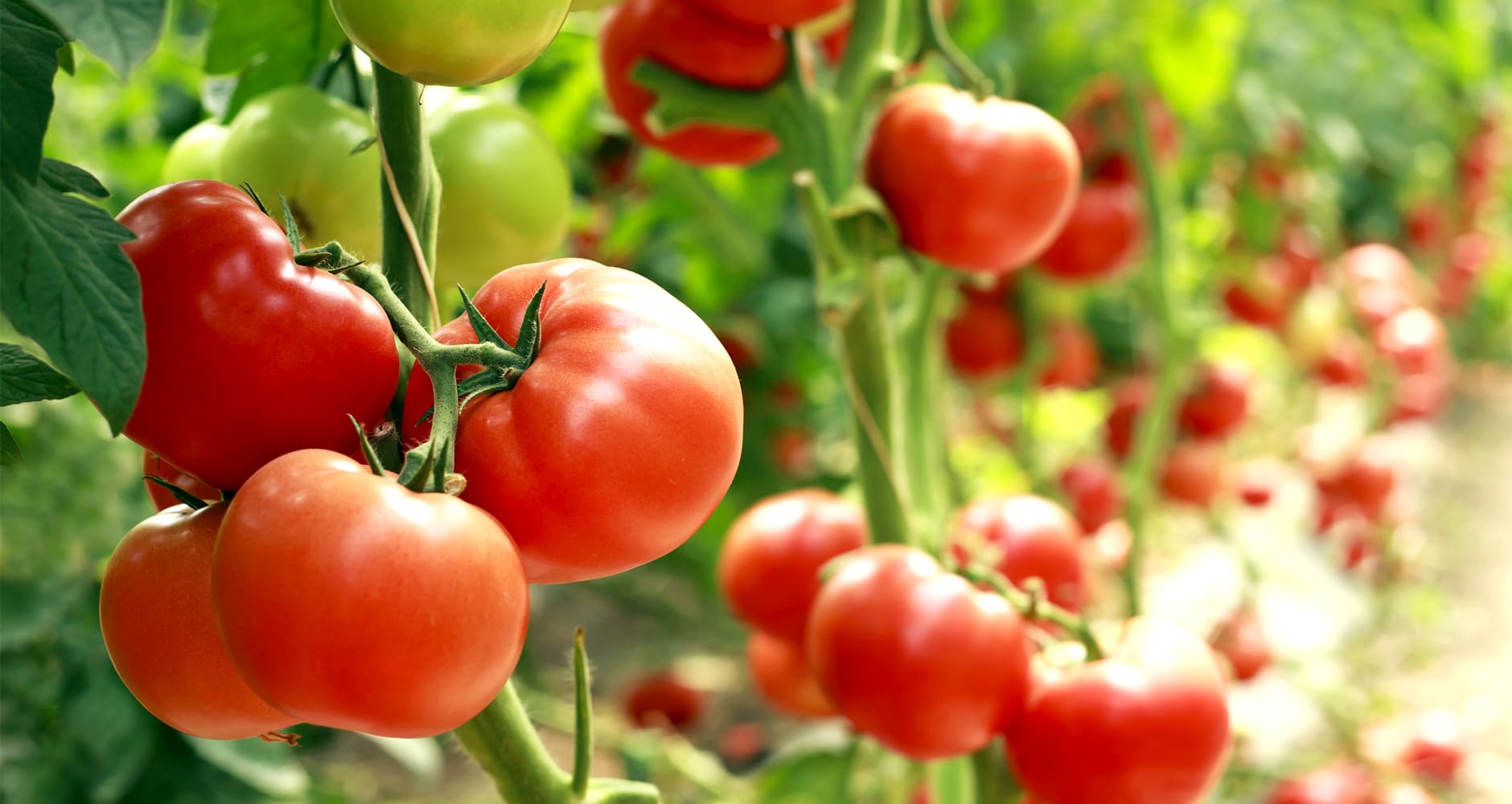
Determinate or indeterminate. Tomatoes are the first plants that usually come to mind when you think of determinate or indeterminate varieties. Determinate tomatoes have a compact, bush-like growth habit, reaching a maximum height of about 4 feet. They do not require staking. Indeterminate tomatoes are the vining types that grow continuously and produce fruit through the whole season until frost. They will require staking, as heights of 6 to 12 feet are common.
Grafted. Plants that are joined by combining a scion (the top part of one plant) to a rootstock (the base part of another plant which contains the root system) are considered grafted. They will look like they are a single plant, even though it is possible to graft several scions onto one rootstock. The different species of plants must be compatible and the graft must be performed successfully in order for the grafted plant to thrive.
Hardiness zone. This refers to a map of the lowest temperatures recorded in a given region. The temperature ranges are then matched to a number, which is used to designate plants that will withstand the minimum temperatures in that particular location.
Pelleted seed. Tiny seeds are sometimes pelleted (coated) with powdered clay or other materials to make them easier to handle and sow. (This is particularly useful in large-scale agriculture, where mechanized seeders are used but it is also handy in small garden settings). Seed treatments such as fungicides are sometimes added to pelleted seed.
Bolting. Many cool-weather crops such as cilantro, spinach, and lettuce will flower and go to seed rapidly in hot weather. This process is called bolting. Unfortunately, bolting usually causes produce to become bitter and unsuitable for harvest. Breeders have created plants that are less likely to bolt and if this is a common issue in your garden, look for cultivars that claim to be “resistant to bolting.”
Now that you’re in the know, have fun ordering plants and seeds for spring!
Credit The Farmers Almanac

If you have an area of yard you would like to shield for a bit more privacy, consider planting a border of bee balm.
Many varieties grow to be 3-4 feet tall, making them an ideal mid-height privacy screen.
When you consider that bee balm’s scent naturally repels most insects, it becomes a prime candidate to plant around your porch or patio. 🐝
The leaves and flowers are edible and make a delicious (and healthy) tea and popular folk remedies. Even if you don’t care to eat them, the impressive flowers, with their long, sturdy stems, are an obvious choice in cut-flower arrangements. Their sweet, citrusy scent is a bonus.
Bee balm grows easily in USDA hardiness zones 4-9. The plant prefers rich, moist soil but needs good airflow among its leaves. It will flourish in full sun and does well in partial shade. If you have a shaded area of your lawn for a portion of the day, bee balm will be quite happy there.
DeltonaGardenClub.com for more great articles.
While many arthropod predator and pollinator activities benefit crop quality and yields, traditional farming environments may not be ideal…
— Read on citrusindustry.net/2023/01/09/blanket-flowers-increase-arthropod-predators-and-pollinators-in-citrus-groves/

QUESTION: Do blueberries grow better in pots or in the ground? I want to have the best odds of success. What do you think? – Janelle U GARDENING …
Do blueberries grow better in pots or in the ground?
SPROUTS:
Each and every living seed will grow into a plant. It’s when that seed begins to grow (germinate) that we call the beginning growth stage of the plant a “sprout”. Oftentimes, people germinate will grow sprouts in water. To ensure that they do not get moldy, those seeds are rinsed several times a day. Sprouts grow very quickly, and can be harvested in about four to six days!
This is the practice of germinating seeds to be eaten either raw or cooked. They are a convenient way to have fresh vegetables for salads, or otherwise, in any season and can be germinated at home or produced industrially.
Sprouts are said to be rich in digestible energy, vitamins, minerals, amino acids, proteins, and phytochemicals!
MICRO-GREENS:
Studies say that Micro-greens are “the new nutritional powerhouse”. Baby spinach and baby lettuces are available in most grocery stores, but a new study says that even younger greens might give us more nutritional benefits. Micro-greens are tiny leaves that are less than 14 days old. They take a little longer to grow, around one to three weeks, depending on the variety. The seed, unlike sprouts, cannot be eaten because it is in the soil. These greens can provide you with plenty of nutrients, possibly even more than the full-sized varieties.
These are nutrient-dense greens. They make perfect salads and are best suiting for appetizers or adding to green drinks and smoothies. They’re often used in fancy restaurants and they can be pricey in health food stores. But there’s no need to pay a small fortune for them. For the price of a few tubs of regular salad greens, you can grow enough Micro-greens to enjoy a whole seasons worth of salads, packed with top-notch vitamins, minerals, and phytonutrients.
 Deltona Garden Community