Women Who Surround Themselves With Plants Live Longer
— Read on organicgardeningadvise.com/women-surround-plants-live-longer/
Composting ”is” Recycling
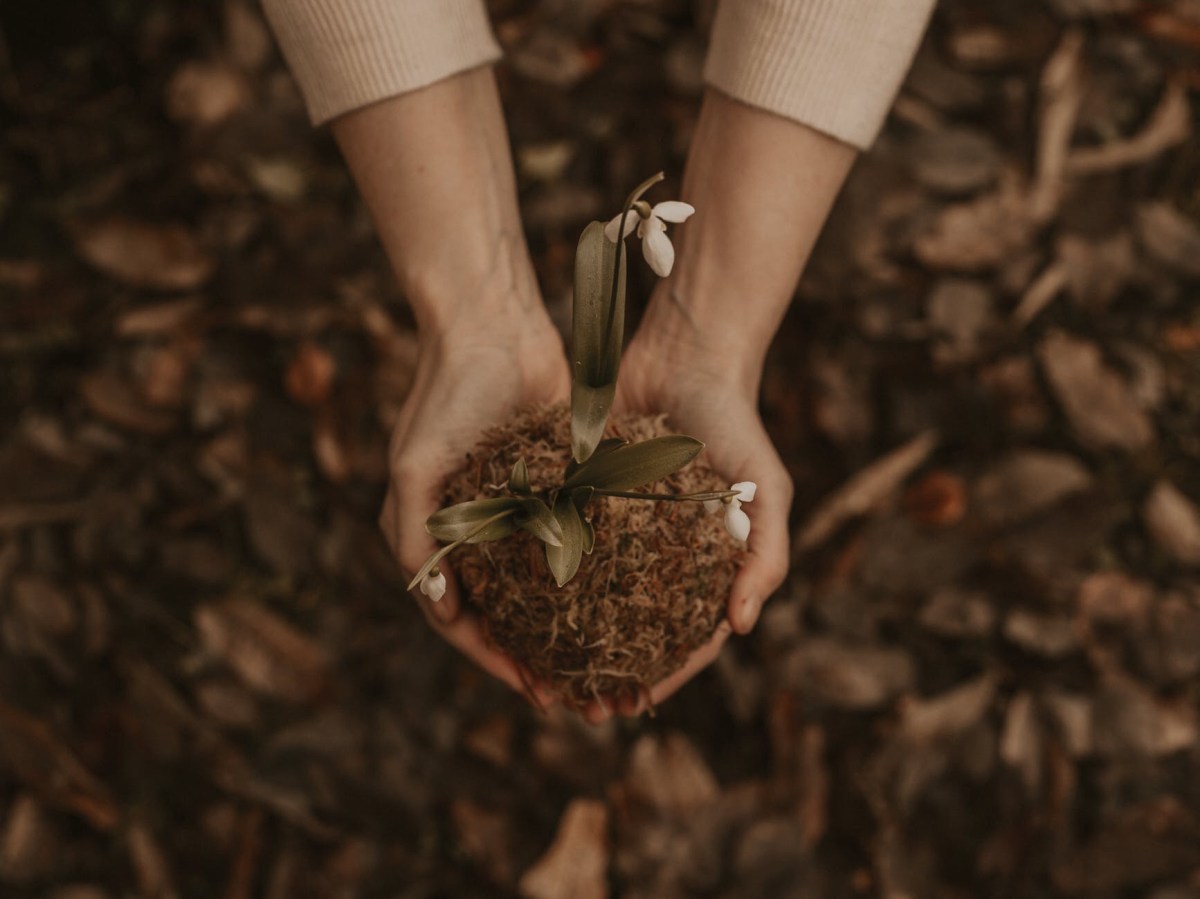
Driving through the neighborhood I’ve been noticing so many big green trash bags of “leaves”🍁🍂 curbside for trash pick up. I often wonder why leaves get bagged up.
Leaves can be “recycled” and mulched with a mower which in turn adds moisture back into the soil.
If you are “new to Florida” in general, your lawn or gardens will be glad to utilize dead leaves!! If you are patient, those leaves pretty much disintegrate sitting in our toasting sun, and disappear.The same principle goes for tree branches.
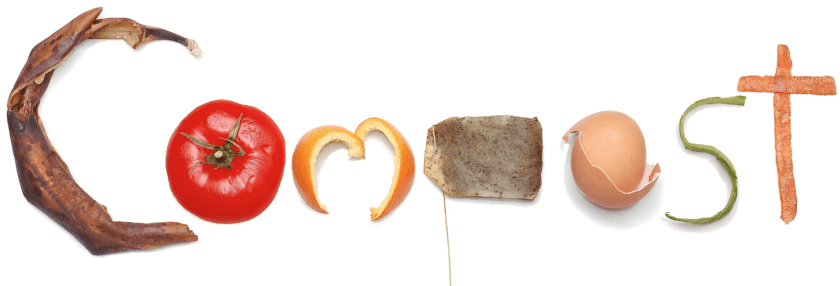
What is “compost”?
As a verb, “to compost” or “composting” refers to the process used to make compost. In general, this process involves mixing together a variety of food wastes, yard wastes, and/or other compounds in proportions that are favorable for the growth and reproduction of bacteria.
Compost is both a noun and a verb. As a noun, it refers to decayed organic matter, which is a fancy term for formerly living things (plant and/or animal) that have been broken down by the feeding of bacteria and other tiny creatures into something that looks more or less like soil. This organic matter (see soil for a discussion of organic matter) is a useful addition to soil, and compost is sometimes talked about as though it were a fertilizer.
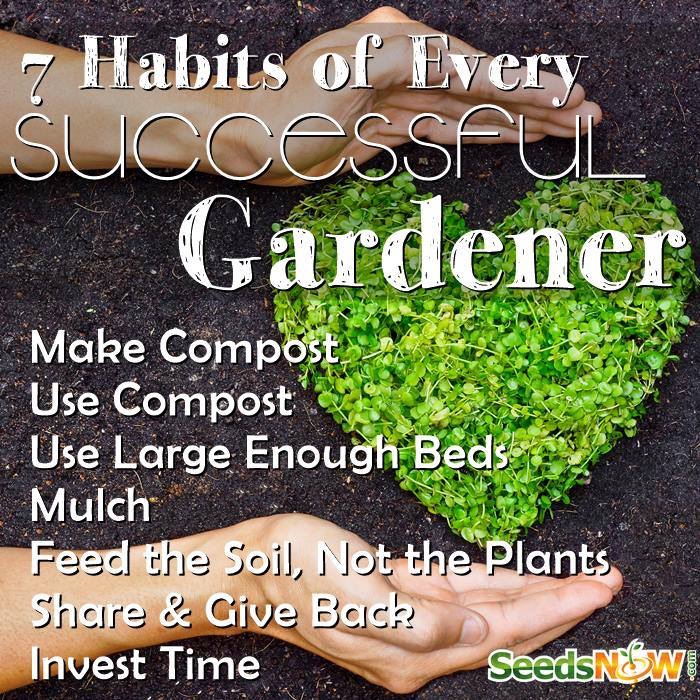
While it does contain nutrients plants need, compost is really more of a soil amendment, whose primary benefit to the soil is an increase in organic matter content rather than a significant increase in the levels of particular nutrients.
As discussed under soil, higher organic matter yields a number of benefits – higher water retention of the soil, improved retention and availability to plants of any fertilizer that you do apply, increased numbers of soil-dwelling organisms, etc., etc.
Within the compost “pile” made of these materials, bacteria begin to feed and multiply. These bacteria occur naturally on the surfaces of many living things and do not need to be added to the pile to make composting happen.
The bacteria eat and eat and reproduce and reproduce until most of the readily available nutrients are used up. This process, which can take as little as a few weeks or as long as months (depending on how much or little you manage the pile) usually results in a substantial decrease in volume of the ingredients used to make the initial compost pile. Loss of 40-60% of the volume of your initial pile is not uncommon. If you manage the pile at all well, the material you end up with should look (as mentioned above) and smell more or less like soil.
There are many reasons. At the most abstract level, composting takes non-toxic materials that would otherwise end up in landfills and returns them to the soil in a useful form.
Food production should be a closed loop, meaning that food wastes (and perhaps human manure, as well) are returned to the soils used to produce the food to begin with. At present, most food production in the United States represents open loops – food comes from places, and food wastes end up in other places.
Composting is a small step toward closing food loops. Of more relevance to individual gardeners, compost itself improves garden soils in various ways (as discussed above). Well-managed “hot” composting can kill weeds and any seeds they might be carrying, so it’s a safe way to return the weeds you kill to your garden.
Scientists have also recently begun to document a phenomenon noticed for some time by organic farmers, which is that application of compost to soils can actually help to prevent various plant diseases, particularly fungal ones. Why and how this works is still not very well understood.
For those who like physical work and are seeking “useful” excuses to be outside, building and managing a compost pile can also be just plain fun.
Pseudo-composting
Some of us prefer “pseudo-composting,” which involves just heaping these materials up out of the way somewhere!
They will decay this way, but more slowly than if you compost them as described below. This form of composting does not necessarily kill weeds or weed seeds and the piles can in fact become homes for more weeds.
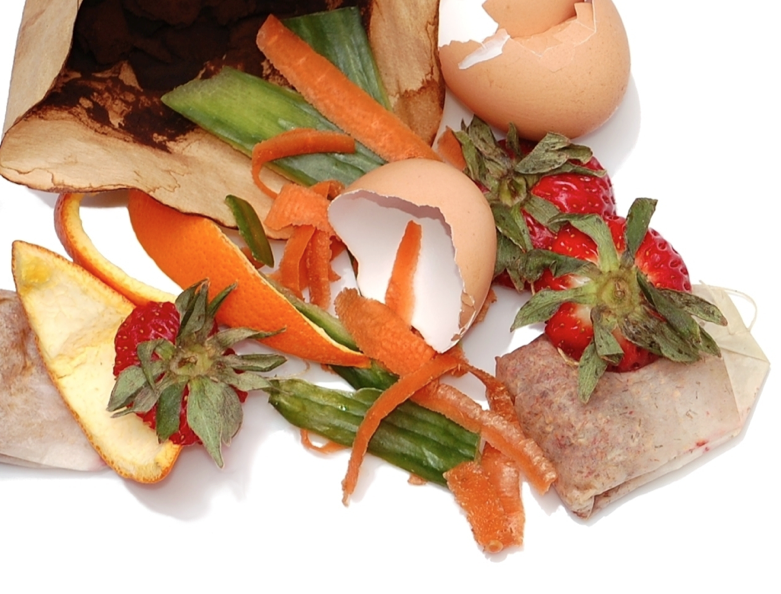
Pseudocomposting with kitchen waste (eggshells, fruit peels, coffee grounds, etc.) can also attract raccoons, possums, and other undesirable pests. To help keep these pests away, you can cover your kitchen wastes with layers of newspaper, cardboard, or leaves.
To be continued….
Bee 🐝 Cause!
Happy Saturday everyone
 Have an amazingly Beeutiful Day!
Is it going to rain today?
“Real-time” quick forecast for your exact location!
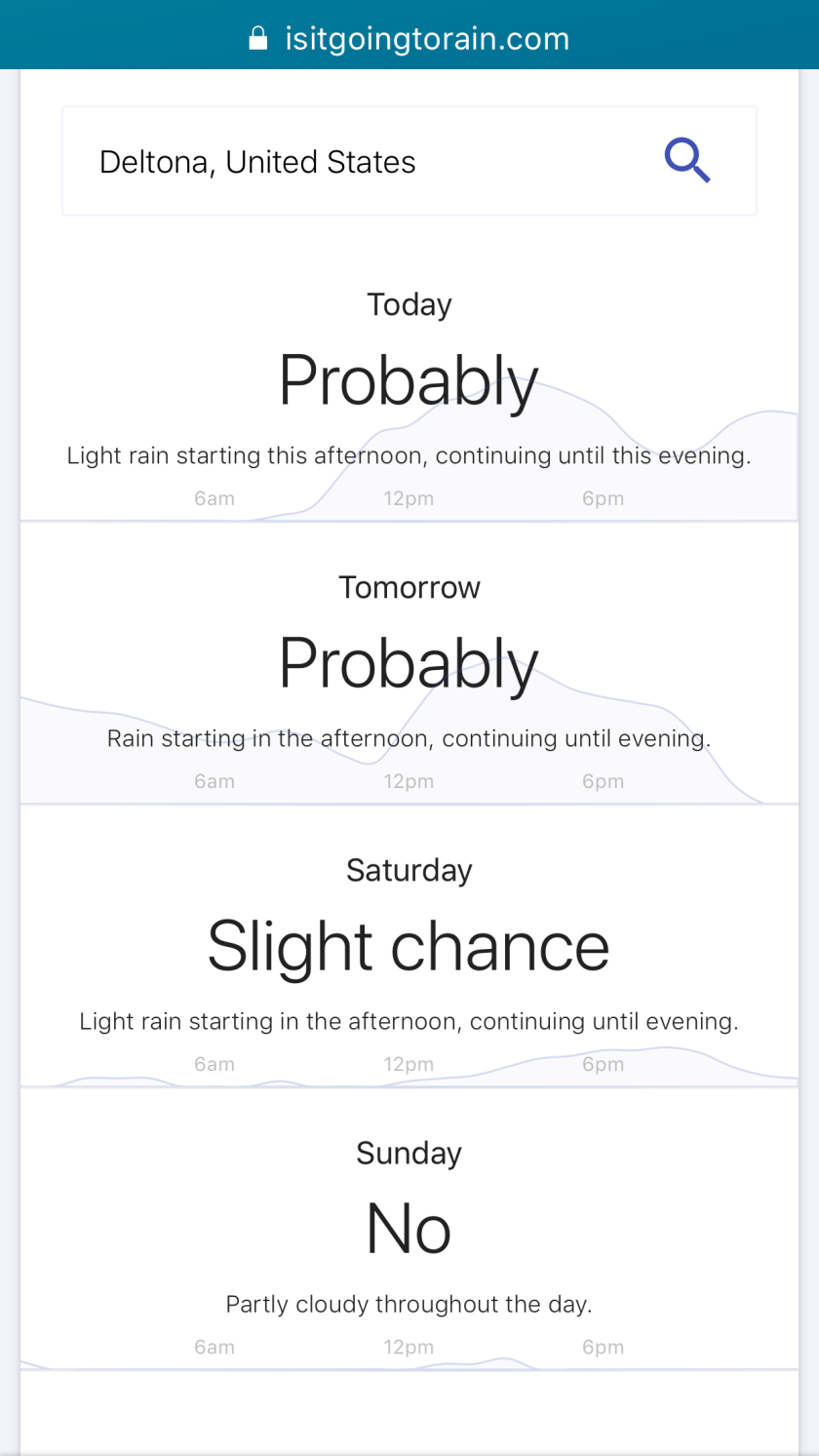
Today you can take advantage of transplanting without worrying about watering!! 💦
Today I am planting seeds, that will be happy to get started with a little help from above! 💧👏🏻
Realtime, up-to-date rain forecast for today and the next 5 days at your current location or anywhere else in the world.
— Read on isitgoingtorain.com/
Hummingbird Facts
HUMMINGBIRD FACTS
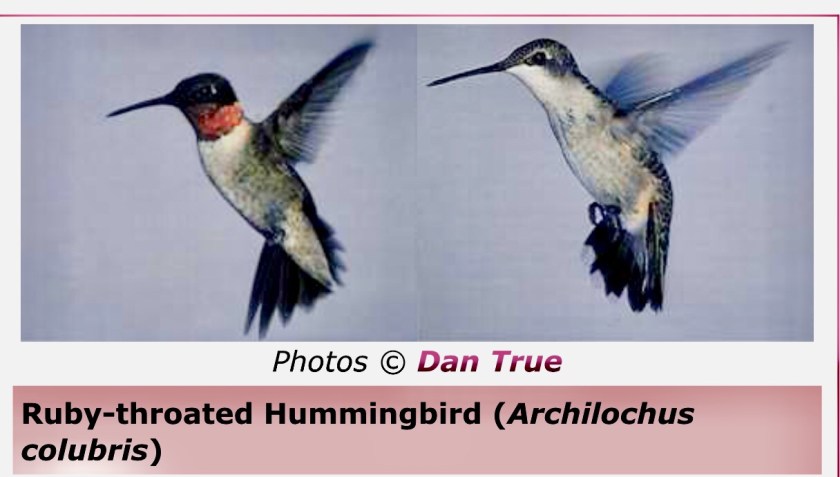
Hummingbirds are one of the most interesting birds! Here are some fun facts about these little birds:
- Bee hummingbirds are the tiniest of all birds, weighing less than an ounce and measuring only 2 inches long.
- Their brightly-colored, iridescent feathers and quick movements make them appear as living sun catchers—hence their nickname, flying jewels.
- Hummingbirds have the unique ability to fly in any direction, even backward, with their wings beating up to a blurring 80 beats per second.
- Plus, they can hover in midair when sipping nectar from brightly–colored flowers with their long, slender beaks.
- While whizzing about the garden, hummingbirds expend so much energy that they must eat at least half their body weight each day to replace the calories that they burn up. This means eating almost constantly—from sunrise to sunset—and visiting over a thousand flowers every day.
- You can hear the call of a ruby-throated hummingbird here.
- Learn more about hummingbirds here.
If you’re a fan of hummingbirds, you probably like to see other birds flying around your garden, too. Explore these tips for a bird-friendly garden.
Do you have hummingbirds or other birds in your garden? Let us know in the comments below!
Attracting Hummingbirds and Butterflies
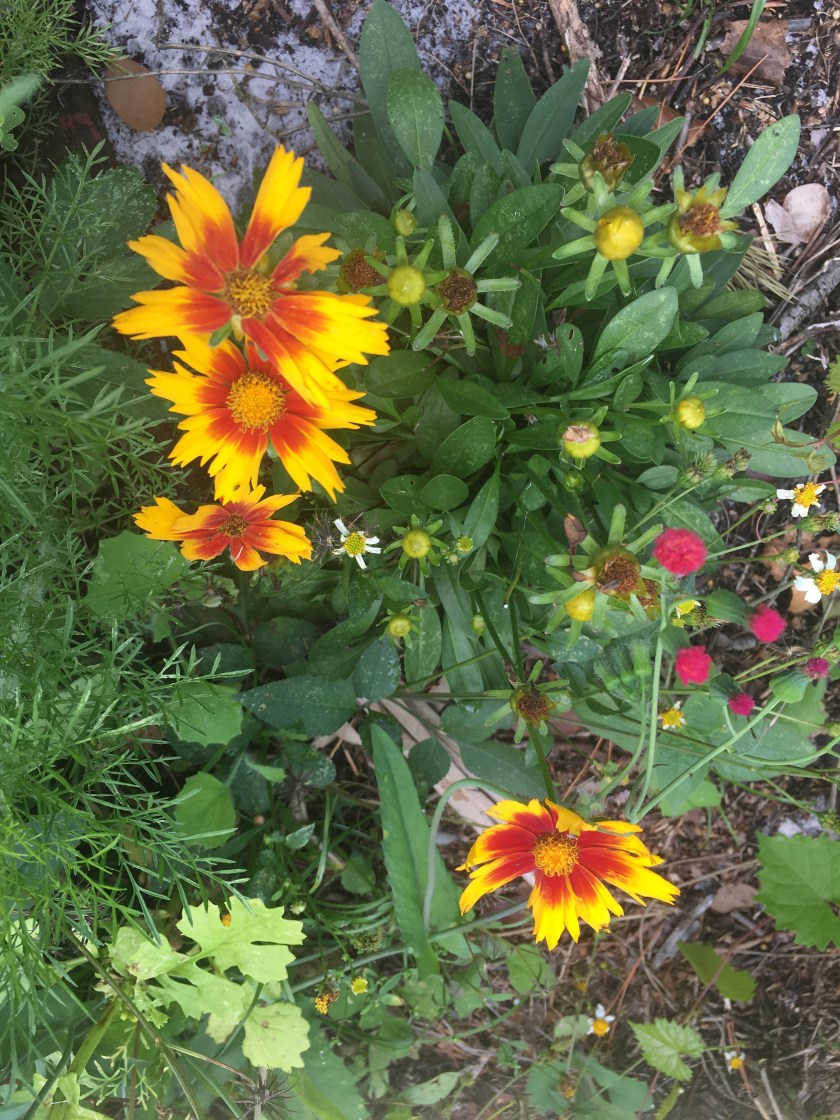
Seeding: You will want to have good seed to soil contact, broadcasting by hand is a good approach on small plot, may want to mix with an inert carrier, sand or other. Raking in and covering with soil 2-3 times seed thickness.
Watering: During establishment for the first month, can be from rain in spring or supplement with irrigation. 💦
Timing: The best time to plant is in spring to early summer and even again in late fall.
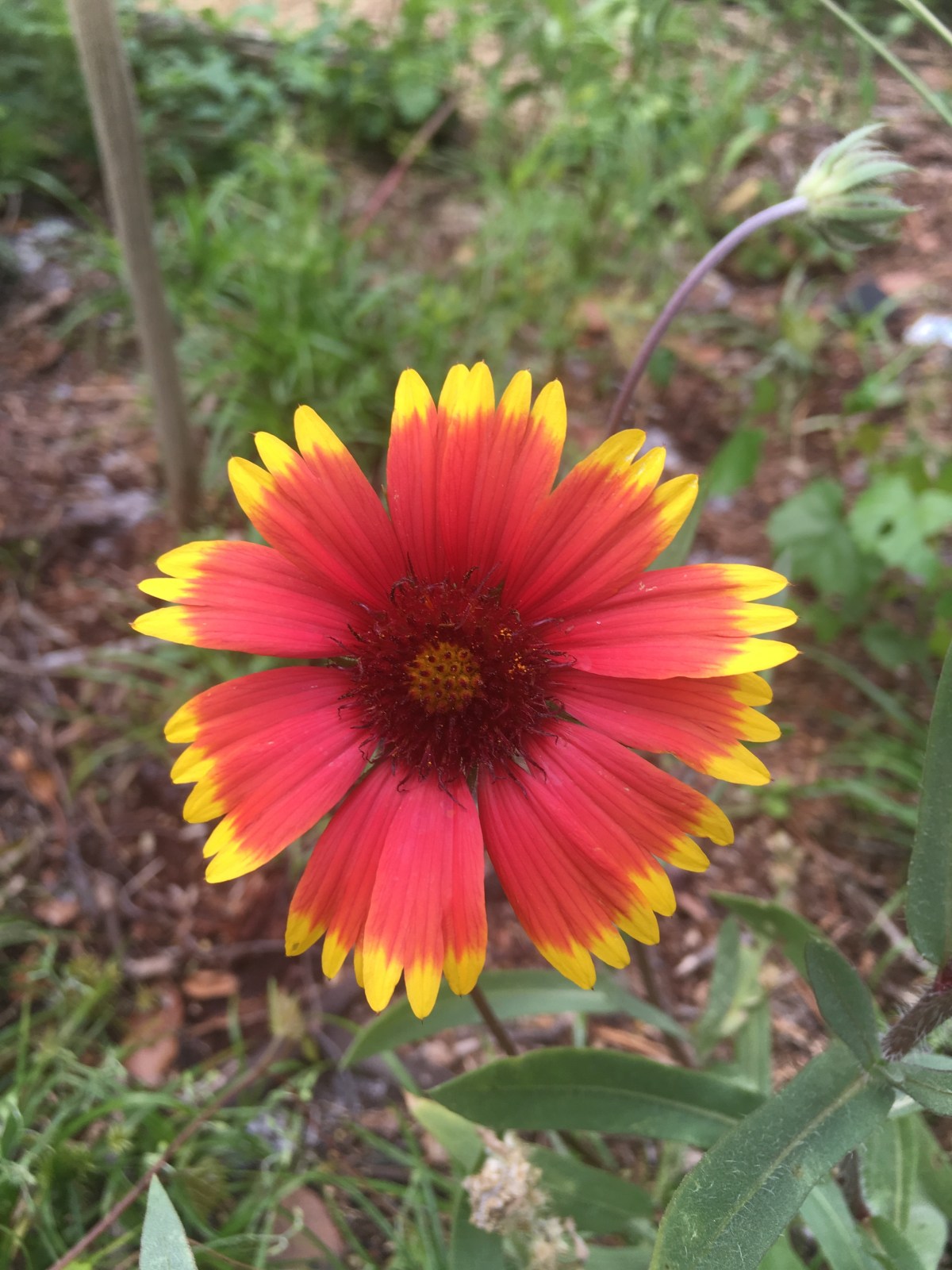
Pretty amazing assortment to get you started on your very own wildflower garden.
If you plant it, they will come! 🐝🦋
Click anywhere on the photos for more detail.
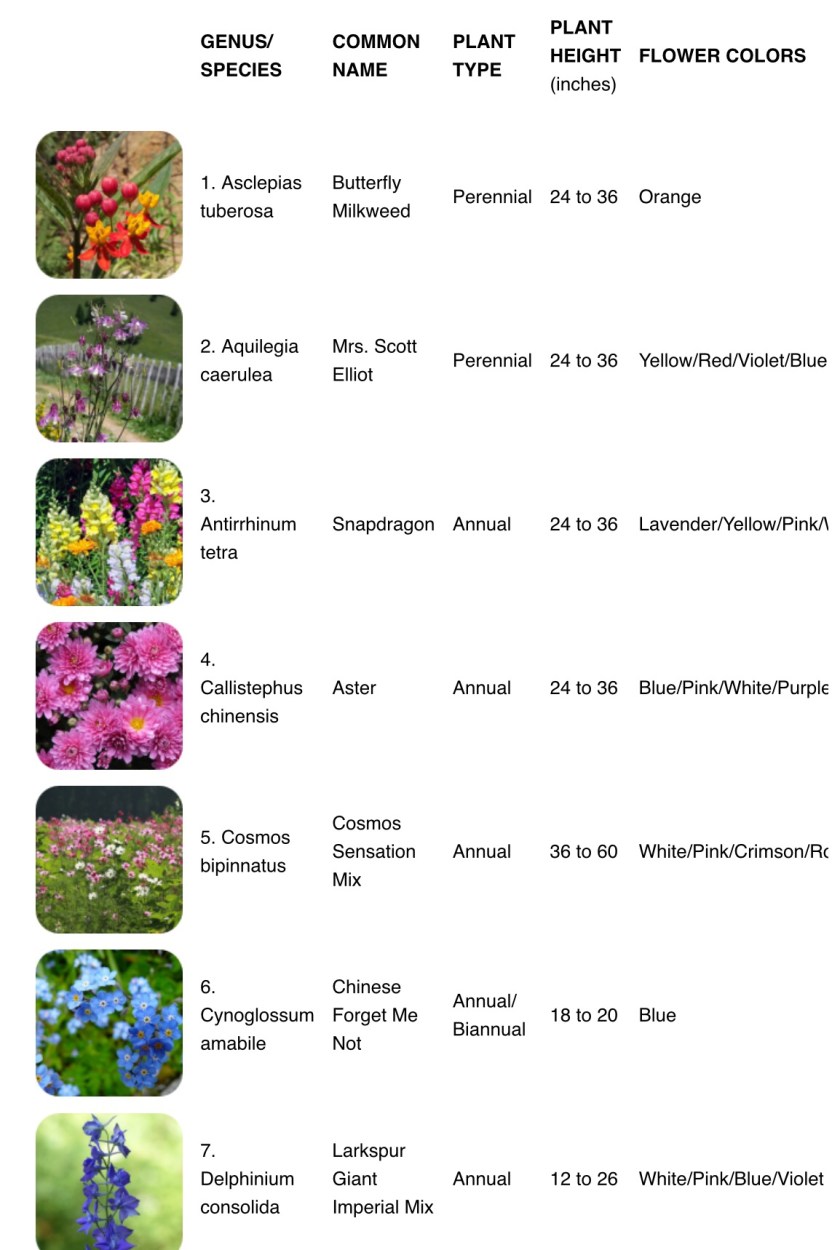
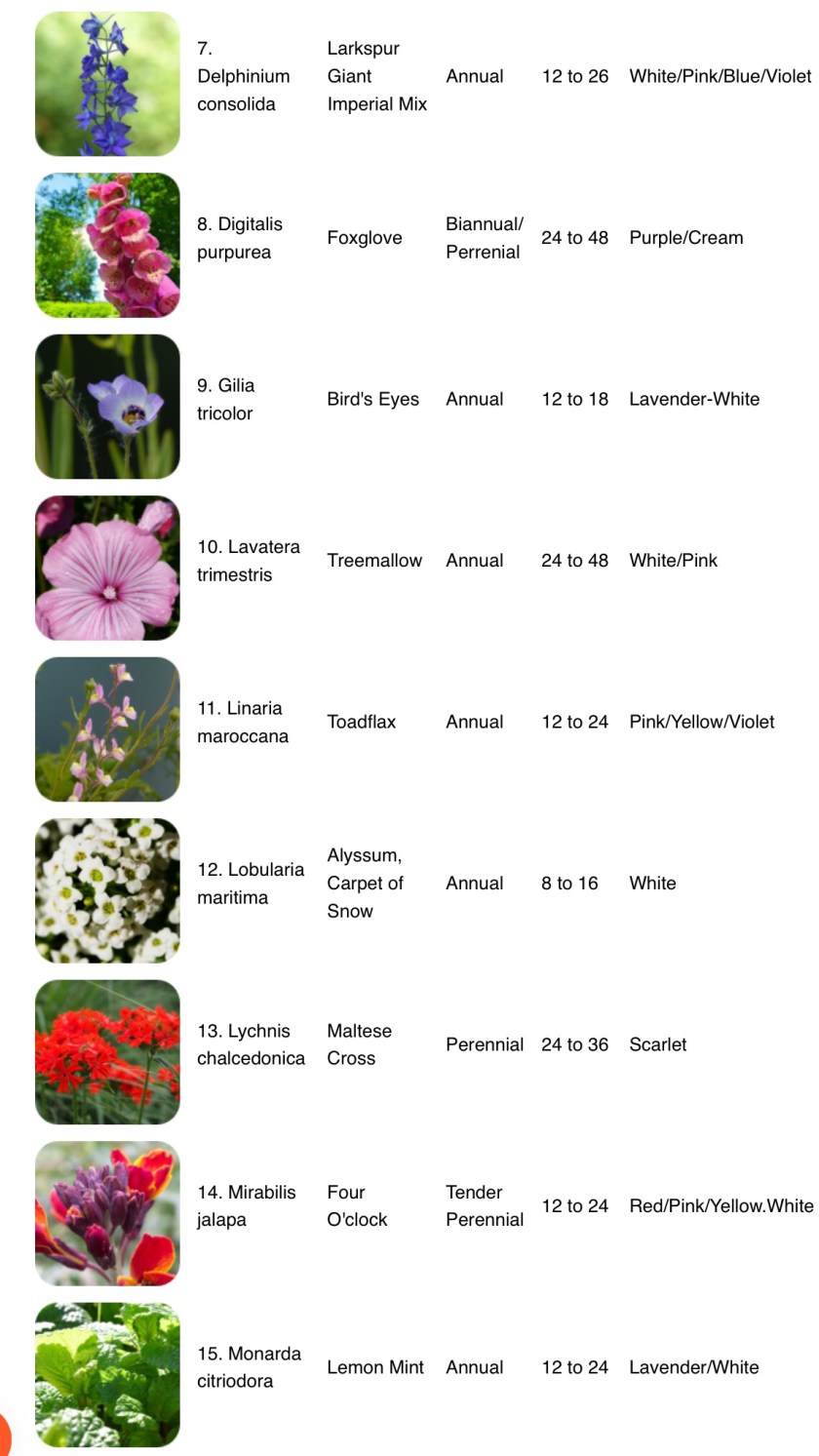
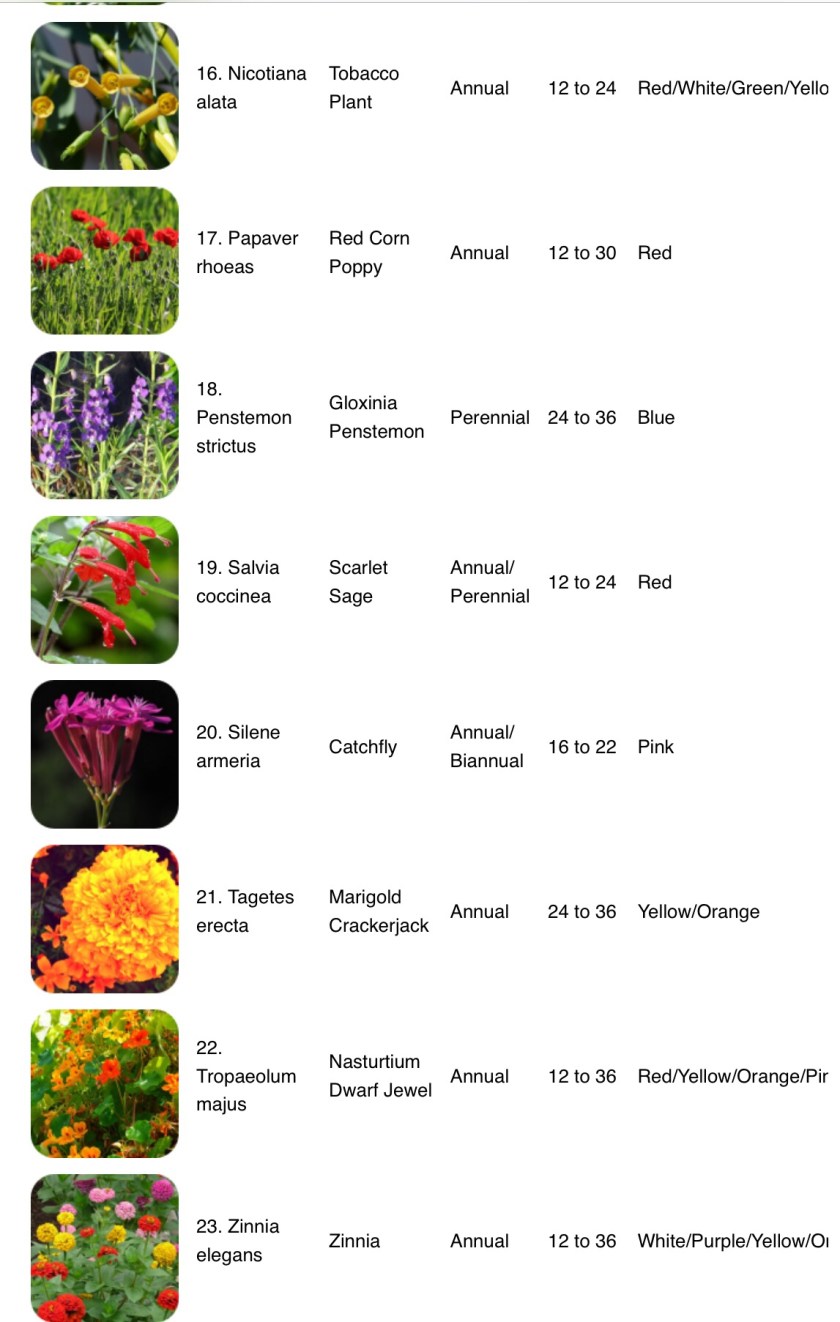
Scatter and enjoy!!!
May 2019 Events
FREE SEED KIT WITH PURCHASE TODAY – SUGAR ANN PEAS
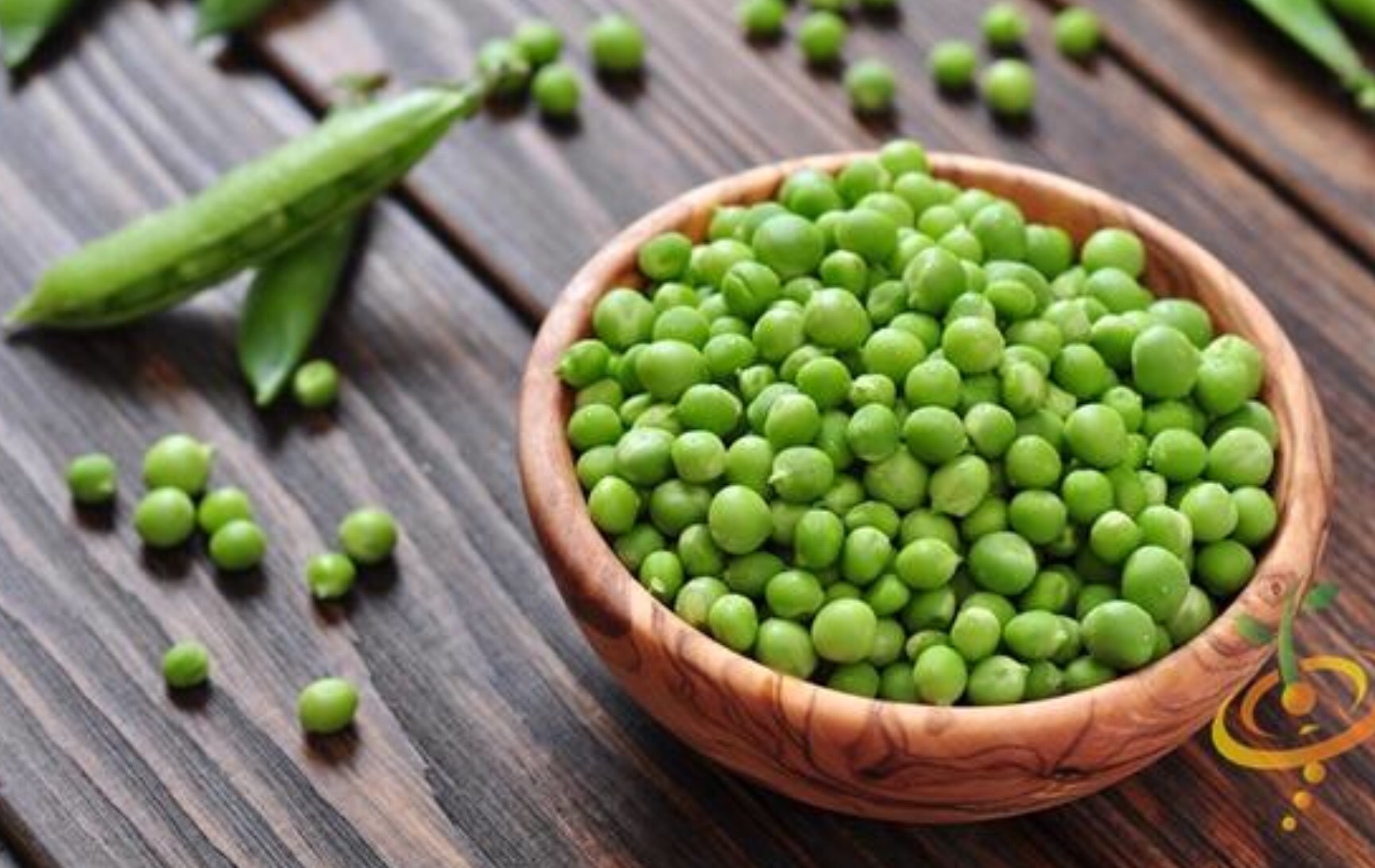 Sugar Ann Peas Purchase info
Pea Seeds | Peas are a cool season vegetable, and do best in a climate where there are two months of cool growing weather, either spring planting in the northern regions or fall planting in the warmer, southern regions. Plant seeds 4″-6″ apart. – Includes Instructions.
Peas are a cool season vegetable, and do best in a climate where there are two months of cool growing weather, either spring planting in the northern regions or fall planting in the warmer, southern regions. They are hardy to frost and light freezes.
Peas have smooth or wrinkled seeds. Most of the varieties grown are wrinkled seed, since these are sweeter and more flavorful. The advantage of smooth seed is its toughness in withstanding rot in cold, wet soil, although many wrinkled seed varieties are now treated with a mild fungicide to prevent rotting. Plan on an average of 25-60 plants per person depending on how much you want to freeze, dry, or can for winter. Pole and climbing peas produce over a longer period and up to 5 times more than dwarf bush varieties.
When to Plant
The earlier the better. Seeds should be planted in the spring as soon as the ground can be worked. Do not plant in the hot summer months. Where winters are mild, a second fall crop could be planted in late summer, but where the summers are long and hot, this is not practical as the plants do not thrive, producing poor flowers and a disappointing crop. The simplest way to prolong harvest is to plant early, mid season, and late varieties at one time rather than sowing every 2 weeks. Gardeners with mild winters can plant peas in both spring and fall.
How to Plant
Plant dwarf varieties about 8 seeds to a foot, about 1/2 – 1″ deep; and in rows 18-24″ apart. Tall-growing varieties should be planted in double rows 4-6 inches apart, 2 1/2 feet between double rows. Supports for climbing vines can be put in at planting time, or just as seedlings are 3 inches high. Peas can cross-pollinate, so for seed-saving, space different varieties at least 150′ apart. Dwarf varieties don’t need a trellis if you plant them close together. For support use twiggy bush, chicken wire fencing, or weatherized trellis netting sold commercially for vine crops.
Peas have fragile roots and don’t transplant well. While some gardeners recommend presoaking seeds, research has indicated that presoaked legume seeds absorb water too quickly, split their outer coatings, and spill out essential nutrients, which encourages damping-off seed rot. Yields can increase 50-100% by inoculating with Rhizobium bacteria.
How to Harvest
Peas are ready to harvest in approximately 60-70 days. When pods of the peas appear to be swelling with rounded pea forms visible, they are ready for picking. Take a test picking every day or so, and note the appearance of the pods with the sweetest peas. If the pods are left on the vines too long, they become tough and starchy. Pick black eyed peas slightly before maturity. They should still be a light green with a purplish eye. They are still easy to shell at this stage and taste delicious. Pick the pods just before cooking, since they, like corn, deteriorate quickly after harvest. Choose a cool morning, not the heat of the day, or just after a cooling rain. The edible pod peas should be picked when the pods are well developed, but before they become swollen with the outline of peas.
Peas usually develop from the bottom of the vine up. Pull firmly but gently, and hold the vine with one hand so it is not jarred loose from its support when picking. When peas start to ripen, pick them often, and pull all ripe pods present each time to encourage development of more pods; otherwise the crop stops developing. You can pick peas for about 2 weeks once they start coming. After the harvest, turn under the plant residues to improve the soil.
Florida flowers: Spiderwort
Florida flowers: Spiderwort
https://thisismyfl.wordpress.com/2019/04/22/florida-flowers-spiderwort/
— Read on thisismyfl.wordpress.com/2019/04/22/florida-flowers-spiderwort/
Volusia County Tree Ordinance
Tree Preservation

PART II – CODE OF ORDINANCES
Chapter 72 – LAND PLANNING
ARTICLE III. – LAND DEVELOPMENT REGULATIONS
DIVISION 10. VOLUSIA COUNTY TREE PRESERVATION ORDINANCE
DIVISION 10. VOLUSIA COUNTY TREE PRESERVATION ORDINANCE [46] Sec. 72-831. Purpose and jurisdiction.
(a) The county council finds and determines that it is in the best interest of the public health, safety and welfare to protect and preserve trees and enhance tree cover in Volusia County, Florida. The value of trees are many and varied and include, but are not limited to the following:
(1) Trees are valuable producers of oxygen, a necessary element to the human survival, and serve to reduce the environmentally dangerous carbon dioxide concentration in the air.
(2) The leaves of the trees trap and filter out ash, dust and pollen in the air.
(3) Trees may reduce wind velocity and noise levels.
(4) Trees may prevent erosion by stabilizing the soil through their root system and by breaking the force of raindrops pounding upon soil surfaces.
(5) Trees reduce the quantity of surface runoff and reduce the percentages of impervious surfaces.
(6) Trees help purify water by removing the nutrients from waters passing through the ground from the surface to the groundwater table.
(7) Trees provide shade and transpire water which helps to moderate temperatures and cleanse the air.
(8) Trees provide food, shelter and essential habitat for wildlife.
(9) Trees provide valuable visual aesthetics and psychological contrast to the urban environment.
(10) Trees are a valuable asset and increase the economic and aesthetic value of developed and undeveloped properties.
Therefore, for the above-described reasons, the county council has determined that it is necessary to enact this division.
(b) Jurisdiction. This division shall apply to the unincorporated areas of Volusia County, Florida.
(Ord. No. 02-13, § I, 7-18-02; Ord. No. 2008-25, § III, 12-4-08)
Sec. 72-832. Penalty.
(a) Violations of this division are punishable as provided in chapter 1, section 1-7, Code of Ordinances, County of Volusia.
(b) Any person who violates a provision of this division may be required to replace an affected tree, at the county forester’s option. Application and approval of a tree permit in accordance with the requirements of section 72-836 must be obtained. Replacement stock must be planted within 90 days of permit issuance. The cross sectional area of the replacement stock shall be taken at the tree’s caliper and shall be equal to 150 percent of the cross sectional area of the tree removed. The county forester may reduce the replacement schedule based on the nature of the violation. All other tree replacement provisions of section 72-842 shall apply.
(Ord. No. 02-13, § I, 7-18-02; Ord. No. 2008-25, § III, 12-4-08)
Volusia County, Florida, Code of Ordinances Page 1
To read code in its entirety –
www.volusia.org/core/fileparse.php/4726/urlt/Division10TreePreservationOrdinance01-30-2014.pdf
 Deltona Garden Community