- 12th – 14th A favorable time for sowing grains, hay, and forage crops. Plant flowers. Favorable days for planting root crops.
- 15th – 16th Start seedbeds. Good days for transplanting. Plant carrots, turnips, onions, beets, Irish potatoes, other root crops in the South. Also good for leafy vegetables.
- 17th – 18th Do no planting. Good harvest days.
- 19th – 20th Good planting days for root crops where climate permits.
- 21st – 22nd A good time to kill plant pests or do plowing. Poor for planting.
- 23rd – 24th Extra good for peppers, tomatoes, peas and other vine crops. Fine for planting any aboveground crop where the climate permits.
- 25th – 26th Barren days, do no planting.
- 27th – 29th Fine for planting beans, peppers, cucumbers, melons, and other aboveground crops where climate is suitable.
- 30th – 31st Poor days for planting, seeds tend to rot in ground.
Category: Comment
GARDENING TO KEEP NEW YEARS RESOLTIONS

RESOLUTION #1: YOU WANT TO GET IN SHAPE
Whether this means losing weight or exercising more, gardening can help! There’s plenty to do in the garden that will give you a really good workout.
A tool on the ground? Drop into a squat to pick that up!
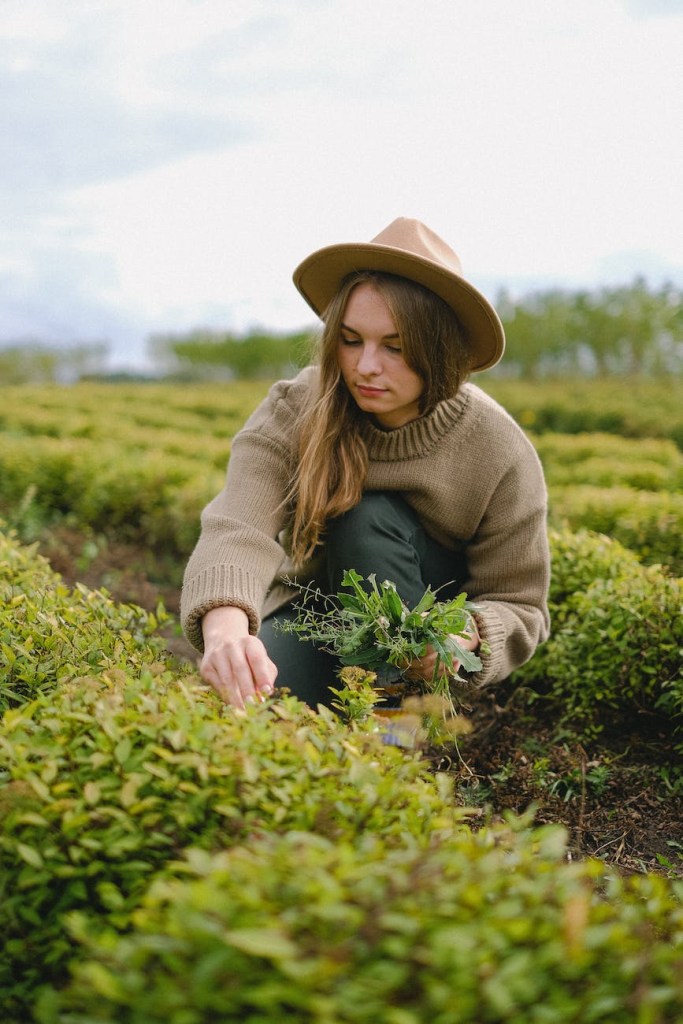
Carrying a watermelon? That’s totally a bicep workout!
And that doesn’t even include how all the healthy produce you’re growing will help you with your diet.
RESOLUTION #2: YOU WANT TO EAT HEALTHIER
A part of eating healthier is eating more fruits and veggies. So, think about your favorite fruits or veggies, and go grow those.
There’s nothing healthier than eating homegrown food. And junk food doesn’t grow on trees. That’s all I’m sayin’.
RESOLUTION #3: YOU WANT TO SAVE MONEY
Gardening can save money on fresh organic produce for your family. You could save even more if you grow some storage vegetables, like winter squash, or can some food for use during the winter.
Plus, if you’re spending days out in the garden, you’re not out spending money on activities and shopping for things you don’t really need.
RESOLUTION #4: YOU WANT TO BE MORE ENVIRONMENTALLY CONSCIOUS
Gardening is as green as it gets!
If you’re growing your own organic produce, there’s no plastic packaging, no plastic bags, and no carbon footprint. Make it a double whammy by decreasing waste and composting at home, too!

RESOLUTION #5: YOU WANT TO LEARN NEW THINGS/A NEW HOBBY
Gardening is a fantastic, healthy hobby, and it’s fun for those who like to experiment.
I have only been growing food for about 6 years, and there’s never been a shortage of new plants to try. It seems like the more I learn, the more I want to know.
With gardening, I’m always trying and learning new things.
RESOLUTION #6: YOU WANT TO BE MORE PRODUCTIVE
We all want to get more done in the day. And you might wonder how adding garden tasks to your to-do list could possibly help you get more done.
But I argue that gardening will improve your mood, help you clear your mind, and calm your nerves so you can get more done. Plus, gardening is a very productive hobby all on its own.
RESOLUTION #7: YOU WANT TO BREAK YOURSELF OF A BAD HABIT
Changing habits is really hard. But distraction is key.
Idle hands are the devil’s workshop as they say. Focusing your energy on something productive, like gardening, will help you steer clear of that nasty habit you want to break.
RESOLUTION #8: YOU WANT TO DECREASE YOUR STRESS
A garden needs to be tended, and completing garden chores is a perfect opportunity for some peace and quiet. Or maybe you prefer to play music and dance while you pull weeds in the garden.
Create the perfect song playlist for gardening.
I might do either. It just depends on my mood, but they’re both great stress relievers.
RESOLUTION #9: YOU WANT TO SPEND MORE TIME WITH YOUR KIDS
Maybe in the midst of busy work, school, and sports schedules, you don’t get to spend time with your family.
The garden is a great place to gather and work together. Show the kids all the bugs on your tomatoes.
Taste test different types of fruits and veggies and talk about which ones you like and don’t like. Give them their own set of garden tools for playing in the dirt.
Imagine the adorable photo ops!
RESOLUTION #10: YOU WANT TO SPEND LESS TIME ONLINE OR ON TV
There’s plenty of work to be done in the garden. Hours and hours of work if you want.
If your goal is to get off the couch, the garden is a great place to go. Plus, once you start seeing your plants grow, you’ll want to be out there checking on them and reveling in the fruits of your labor.
RESOLUTION #11: YOU WANT TO BE MORE CHARITABLE
You can always find someone to give your extra produce to, and sometimes you’re helping them more than you know.
Do you know someone who can’t grow their own food?
Maybe your neighbor loves their garden, but they can’t get out to tend it. Ask them if you can help.
Do you live in a close-knit community? Maybe you could set up a give a veggie/take a veggie stand in your yard. How fun!
RESOLUTION #12: YOU WANT TO IMPROVE YOUR RELATIONSHIP WITH YOUR SPOUSE
Gardening is a great activity to do with your spouse. I have always loved working in the garden with my husband.
We have cleared walking trails in our woods together, built raised beds together, and tied up tomatoes together. We plant, prune, harvest, and pull weeds together.
Sometimes we talk, sometimes we don’t. Sometimes I dance, most of the time he won’t.
The point is, we are working on something together and that brings us closer. Plus, gardening is sexy, y’all.
WHAT IS YOUR NEW YEAR’S RESOLUTION AND HOW CAN GARDENING HELP YOU KEEP IT?
So what do you think? Are you ready to take up gardening to help you keep your new year’s resolution?
Share your experience in the comments below.

Deltona Freeze Of 2022?
Wreaths Through Time
Tradition of Hanging Wreaths

The tradition of hanging wreaths made from evergreen boughs is thought to have begun in the 1500s in ancient Germany and Scandinavia, notably during Yule festivities. Timed to coincide with the winter solstice, Yule celebrated the return of the sun and the promise of spring.
However, wreaths crafted from natural materials have been used for millennia, sometimes worn on the head or around the neck, and sometimes hung on walls and doors.

Ancient pagan cultures believed that trees were homes to protective spirits and used wreaths made from tree branches in rituals relating to the changing seasons and fertility.
Pre-Christian Europeans added lit candles to evergreen wreaths as beacons of hope for the coming spring. During the Middle Ages, Christians adapted the tradition of candlelit wreaths in the form of Advent wreaths which they displayed in preparation for Christmas.

In Ancient Greece, wreaths were awarded in recognition of military achievements as well as to the victors of athletic, music, and poetry competitions. Winners of the Olympic Games, first held in 776 BCE, wore wreaths made from the leaves of olive or laurel trees.
Early Romans adopted the wearing of laurel wreaths from the Greeks as symbols of military victory. The type of foliage in a wreath eventually came to represent the status, rank, or occupation of the wearer.

Some Native American tribes wore wreaths during ceremonial dances, including wreaths made of sage, an herb traditionally used in rituals to cleanse people and places of negative spiritual energies.
A part of the Ukrainian national costume, the flower wreath is traditionally worn by girls and unmarried women on festive occasions and on holy days. However, the region’s custom of wearing wreaths made from herbs, flowers, and brightly colored ribbons may date as far back as the 9th century.

Across Polynesia, wreaths called lei are worn by both men and women as decoration and are offered as gifts signifying affection or respect. In Hawai‘i, Pā‘ū riders are a fixture in most parades. Women dressed in flowing pā‘ū skirts and their male attendants all ride on horseback, representing different Hawaiian Islands or districts. Both the riders and horses wear lei made of symbolic plants.
Throughout the world, wreaths have been used in ceremonies of remembrance. In addition to the display of flower wreaths at funerals, traditions include the floating of wreaths in water to honor those lost at sea, as well as the laying of wreaths at war memorials.
Wreath Construction

Anything that can be crafted into a circular form can be made into a wreath. Craft stores sell wreath forms made from wire, straw, and other materials in a variety of sizes. Pine boughs and other greens, as well as pinecones, berries, and other decorations can be wired or glued onto the form.
Do-it-yourself wreath forms include a wire hanger bent into a circle, a donut-shaped ring of cardboard, and woody vines woven into a circle.
Herbs, flowers, and other plants have historically been used to signify different sentiments. For example:
- Rosemary: remembrance
- Sage: wisdom, good health, long life
- Thyme: bravery
- Lavender: purity
- Rue: virtue
- Juniper: life and hope
- Calendula: health, joy
- Lavender: love, happiness, protection
- Yarrow: courage
- Sunflowers: spiritual growth, radiance, energy
- Oak leaves: courage, strength
Tucking a few sprigs into wreaths add extra meaning, or simply use them to add fragrance, color, and texture.
Be sure to subscribe for instant post notifications! DeltonaGardenClub.com
Thank you everyone

What topic should I write about next?
FlipGive Funding!!
Hi team,

This season, fundraising for Deltona Garden Club is going to be so much easier with FlipGive, a free team funding app.
We earn cash back on every purchase we make all year long! All you have to do is shop anytime with the brands you already love, like Home Depot, Under Armour, Walmart, Old Navy, Apple, Mobil, Dick’s Sporting Goods, CVS, and Hotels.com. No more going door-to-door selling chocolate bars – it’s completely virtual and contactless.

So can you!!!
Join our team now and you’ll get a $5 bonus the first time you shop: https://flipgive.app.link/teams/join?joincode=H2L6GX
Or enter this code: H2L6GX
Any questions, just ask!
Anna
Want to learn more? Check out this 2 minute video: https://www.youtube.com/watch?v=5vTO_Qg4n80
Anna Sarich
October in Florida
- Farmers throughout Florida have already been plowing and planting their seeds in anticipation of the upcoming vegetable growing season. Very soon the vegetables we buy in the market will be marked “Florida Grown” rather than “Product of …”.
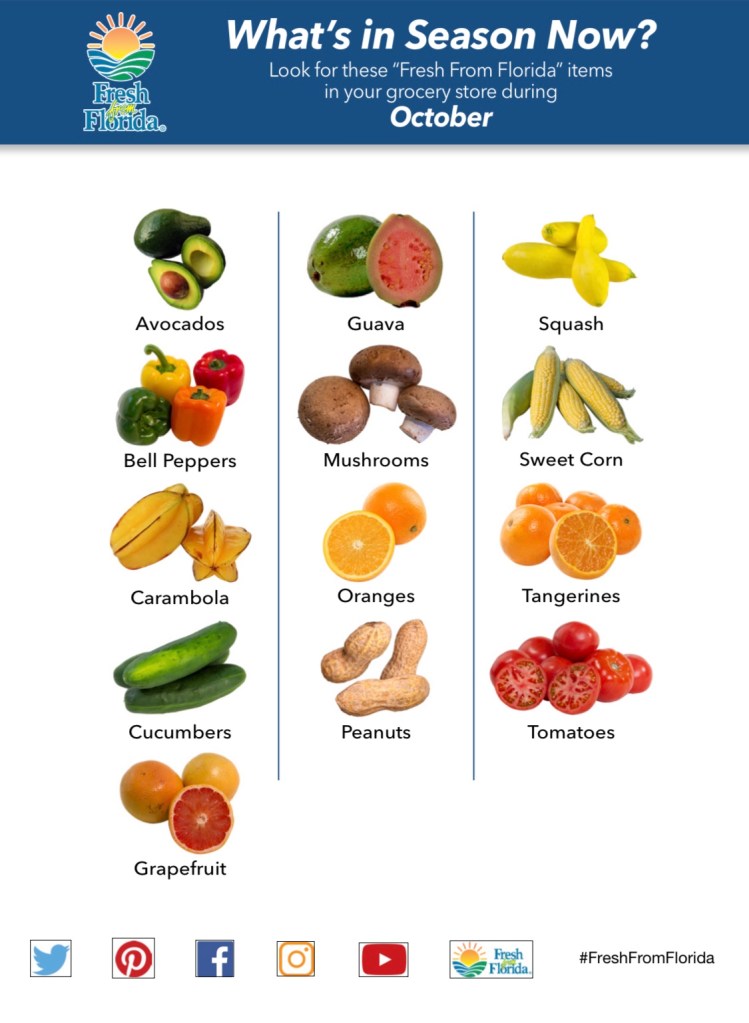
- October is the time for planting these great little fruits. Keep your plants’ soil moist by watering every two to three days and be certain to fertilize appropriately. Be on the lookout for caterpillars, slugs, thrips, mites and snails looking to snack on your plants.
- Rose growing in Florida can be difficult; however there are a few easy steps to ensure you’re as successful as possible. Prepare your soil by adding dry cow manure and peat moss. Select roses locally to ensure best growing and blooming success.
- Winter veggies are on! Beets, Broccoli, Cabbage, Celery, Chinese Cabbage, Carrots, Collards, Cucumbers, Escarole, Kale, Kohlrabi, Leek, Lettuce, Mustard, Okra, Onion Sets, Parsnips, Peppers, Pumpkins, Rhubarb, Romaine, Rutabagas, Spinach, Squash, Strawberries, Sweet Corn, Swiss Chard, Tomatoes and Turnips are all great vegetables to consider starting this month for a great winter’s harvest!
- Many of the fall grasses have formed their inflorescent this month. To extend your garden’s reach, these can be trimmed and dried for use in other displays this month for a great winter’s harvest!
- Much of Florida’s citrus begins to ripen and can be enjoyed from tree to table!
Leaf of Life -Medicinal
Leaf of Life -Here Are 46 Amazing Health Benefits Of The Leaf Of Life Plant

Treats Kidney stones – In case of kidney stones, give 40-50 ml decoction of the whole plant twice a day. You can also give the decoction with 500 mg shilajit and 2 gm. of honey mixed in it. Give this twice a day, it helps treat bile stone easily.
Useful in Urinary disorders – Give 5 ml juice of its leaves to the patient suffering from thirst and any disorder related to the urinary system. It is a very good and effective remedy. In the case of urine related disorder in men, give 40-60 ml of its decoction with 2 gm. honey mixed in it. Give this twice a day.
Helpful in Boils – Slightly warm its leaves and crush them. Tie it as a poultice on the affected area. It helps treat boils, redness, and swelling too.
For Hypertension – Give 5-10 drops of the extract of its aerial parts. It is beneficial in controlling blood pressure.
Curbs Leukemia – Give 5-10 drops of the extract of its aerial part, twice a day. It is beneficial in blood cancer.
For Vaginal disorders – In case of vaginal flow in women, give 40-60 ml decoction with 2 gm. honey mixed in it. Give this twice a day.
Treats Headache – Crush its leaves and apply it on the forehead. It helps treat headaches.
Aids in Eye pain – Extract the juice of its leaves and apply all around the eyes. It helps treat pain in the white part of the eyes.
Treatment for Wounds – Slightly warm the leaves and then crush them and tie on the wound. It helps the wound heal faster and also eliminates the scar.
Helps treat bleeding diarrhea – Give 3-6 gm. juice of its leaves with cumin seeds and double amount of ghee mixed in it. Give this to the patient thrice a day. It controls the blood flow in diarrhea.
Manage leucorrhoea – For women who suffer from leucorrhoea ailment, use the decoction of the leaves twice daily. It helps delay the flow of blood within the blood vessels.
Treat piles at home – Drink the extract of the leaves twice daily to get an effective remedy for piles.
Good for the liver – Leaf of life promotes the health of the liver. It can help treat jaundice fast.
Treat ear pain – Get a fast remedy for your ear pain by applying the juice of the leaves.
Help treat boils – Crush a few leaves and form a poultice. Apply this on the boils. You can use this on redness and swelling of the skin.
Helps heart health – It improves the health of the heart.
Treat colds and coughs – For common cold and coughs, the juice of the leaves along with sugar candy will help. This can help people suffering from asthma also.
Anti-inflammatory property – By applying the paste of the leaves on the place of the swelling, you can reduce it significantly.
Relieves stomach ache – If you have a stomach ache, you can get relief by having the decoction of the leaves.
Diuretic action – You can treat urinary disorders with the juice of the leaf of life. This is good for quenching excessive thirst. Drink a potion of 40-60 ml every day in the morning and evening.
Teething problems – Babies who are cutting their first teeth will have relief from the pain.
Anthelmintic action – It helps remove worms in the intestine effectively. Have the decoction of the leaves twice a day with honey.
Antipyretic property – If you have a fever, the miracle leaf will help relieve your symptoms.
Corrects dysentery – Have the leaf extract with honey to get relief from dysentery.
Helps with weight management – You can lose weight by using its leaves.
Prevents grey hair – Regular use of the miracle leaf will help prevent the greying of hair. It promotes the health of the scalp too.
Good anti-oxidant property – Make tea with the dried leaves and have it twice or thrice a day. This will help you fight free radicals better.
Helpful for diabetics – Control your diabetes with the leaves. Have the decoction twice every day and see your blood sugar levels drop significantly.
Helps treat constipation – You can get relief from your constipation by having the tea made from the dried powder of the leaves.
Purifies blood – Miracle leaf has a purifying action on the blood. It removes the toxins and helps improve your health.
Juice for chest cold – Warm 3 leaves and juice them. This should yield 2-3 tablespoon of the leaf of life juice. Add a pinch of salt. Take one tablespoon three times a day for as long as needed.
Poultice for skin ulcer, sprains, and insect stings – Grind 7 fresh leaves into a poultice. Apply the poultice evenly to the affected area. Apply a fresh poultice twice a day, morning and night, as often as needed.
Pounded leaves are applied as poultices to the soles of the feet to stop hemorrhages.
Leaves are used as topical in dislocation, ecchymosis, callosities.
It is widely used as an herbal remedy for many different types of ailments, especially bronchial conditions.
An herbal tea made from this herb is useful to treat conditions such as shortness of breath, kidney failure, menstrual problems, asthma, coughs, bronchitis, as well as a chest cold.
Crushed medicinal leaves of this herb will bring relief from insect bites, bruises, boils, and also skin ulcers.
A poultice of the crushed leaves can also be applied to the outer body for sprains, pains, as well as earaches.
Placing the back of the leaves on open sores, cuts and wounds will promote healing, stops bleeding as well as prevents infection.
Stem as well as the leaves can be placed in water and taken daily to rid the body of mucous and waste matter.
Fresh leaves of the leaf of life can also be eaten raw as a medicinal remedy for asthma, bronchitis, and intestinal problems.
Leaf extract is taken on an empty stomach for treatment of urinary bladder stones and fever in children in Arunachal Pradesh.
Cough medicine is made from the roots in Sierra Leon
Heated leaves used for swellings and abscesses in Jamaica.
It is used for rheumatoid arthritis, bruises, burns, and ulcers in China.
In the KwaZulu-Natal Province, South Africa, leaves used in combination with Opuntia stricta and Euphorbia hypericifolia to treat gonorrhea.

Other Facts
It also makes a very decorative addition to the garden.
The leaves can be picked and stored for days without withering.
It is grown in the garden for ornamental purposes.
Precautions – Patients under ‘Aspirin’ medication should take care to take the decoction or fresh juice of the leaf of life plant as it may interact or reduce the efficacy of Aspirin.
Leaf Of Life
Native to Madagascar, but is found throughout the world today because of its many healing properties and health benefits. It has various names such as Goethe plant, Love bush, Air plant, Cathedral bells. It is commonly called Leaf of Life in Guyana.
Courtesy of Deltona Garden Club
DeltonaGardenClub.com
How to Grow Turk’s Cap Flowers (Malvaviscus arboreus), Explained

By Jennifer Poindexter Do you need a beautiful, unique, but low-maintenance shrub for your home? If so, you’ll be hard pressed to find a plant as …
How to Grow Turk’s Cap Flowers (Malvaviscus arboreus), Explained
Fall/Winter Harvest Seed Bank
The Fall/Winter Harvest Seed Bank includes a collection of all the seeds you need to grow your favorite fall and winter crops.
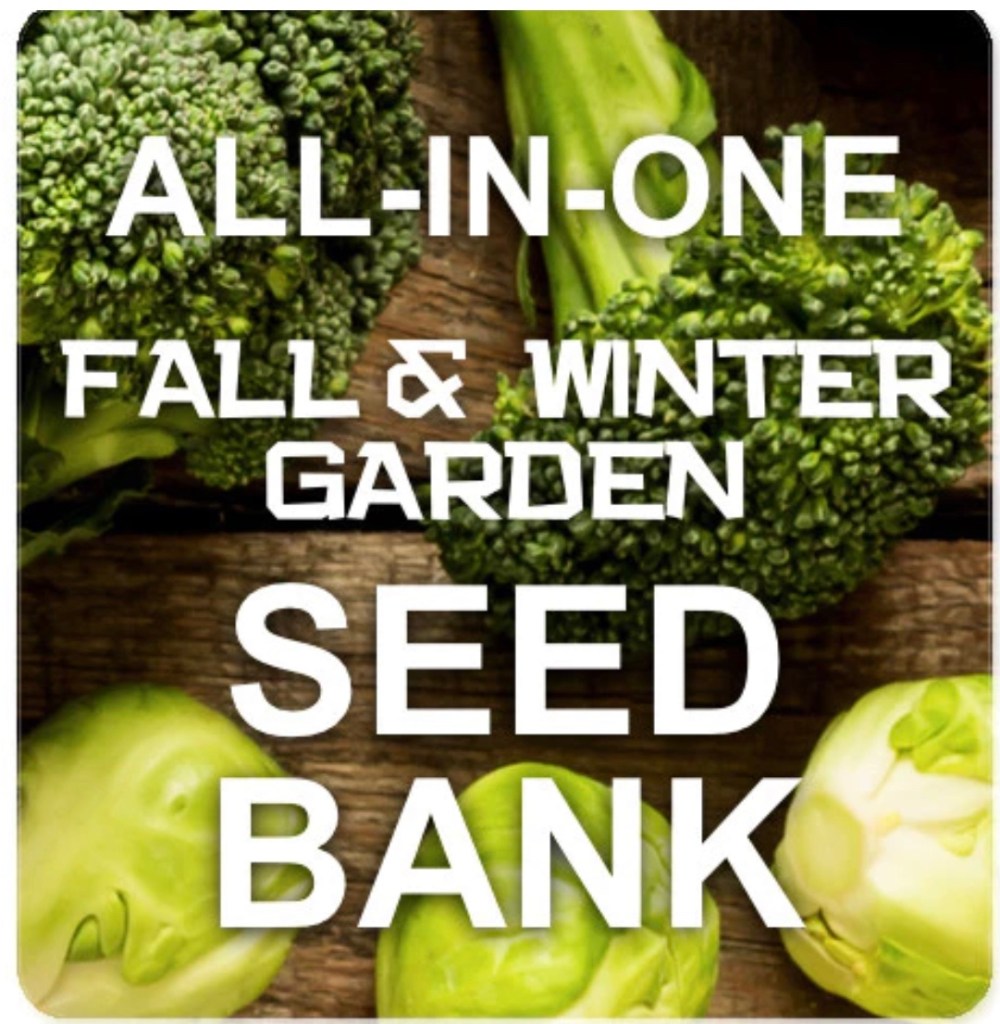
20 varieties of crops (individually packaged)
These seeds thrive in cold weather and are extremely hardy.
You will be able to grow your own brussels sprouts, carrots, kale, broccoli, turnips, swiss chards and so much more. With over 20 popular varieties included, this seed bank is your #1 seed bank of choice for seeds that thrive in cooler temps.
What’s Included?
- Over 6,500 seeds in total (all seeds can be saved for multiple planting seasons)
- BONUS! We’re including 25 seed starting soil pellets (so you can start your seeds indoors!)
- Seeds are individually packaged and labeled in resealable bags and then secured in a Mylar bag (provides two layers of protection from moisture and light)
 Deltona Garden Community