The Deltona Garden Club is sponsoring students from first through fifth grade to participate in the 2020 National Garden Clubs, Inc. Poster Contest!
The U.S. Department of Agriculture Forest Service and the National Garden Clubs, Inc. are giving students the opportunity to demon- strate through original drawings of Smokey Bear or Woodsy Owl their understanding of wildfire prevention and basic environmental conservation principles.
Any child/group of children may participate. Scout troops, after school programs, and the like are perfectly appropriate. Children must be Florida residents.
Any old used mini blinds will work for this project. No need to wash blinds if a little dirty. I however used a garden hose outdoors and sprayed the ones I’m cutting to demonstrate!
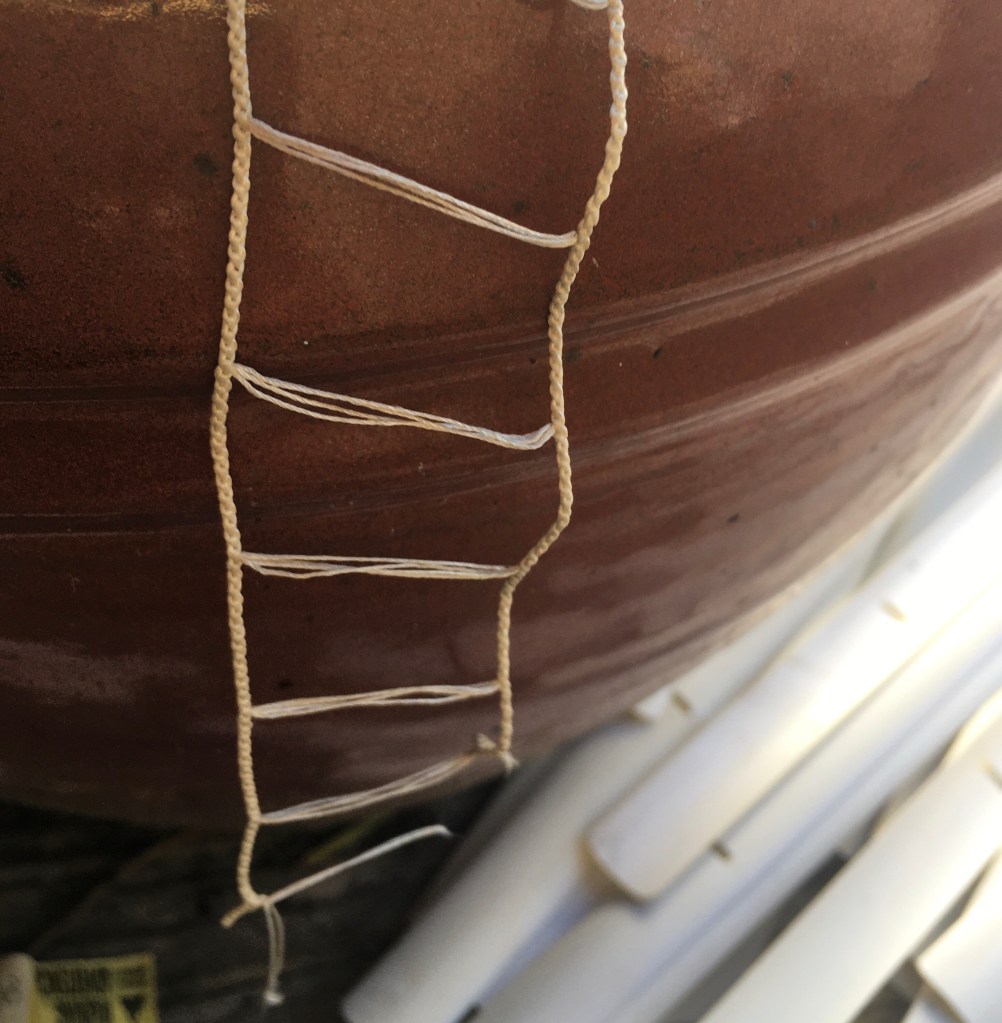
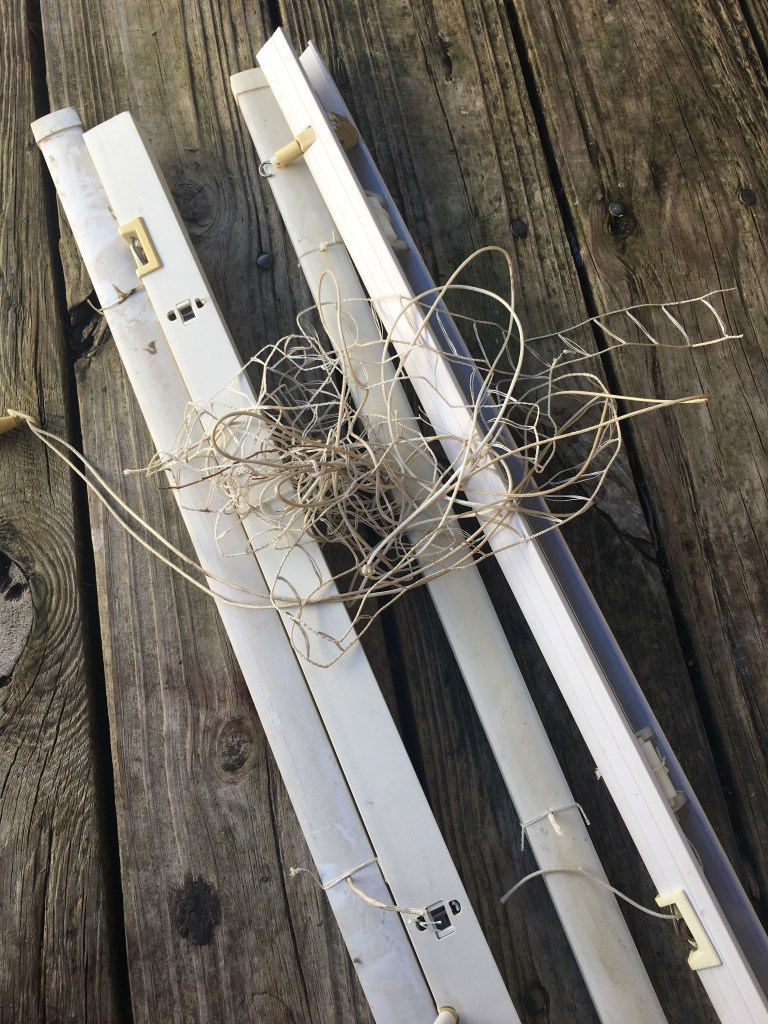
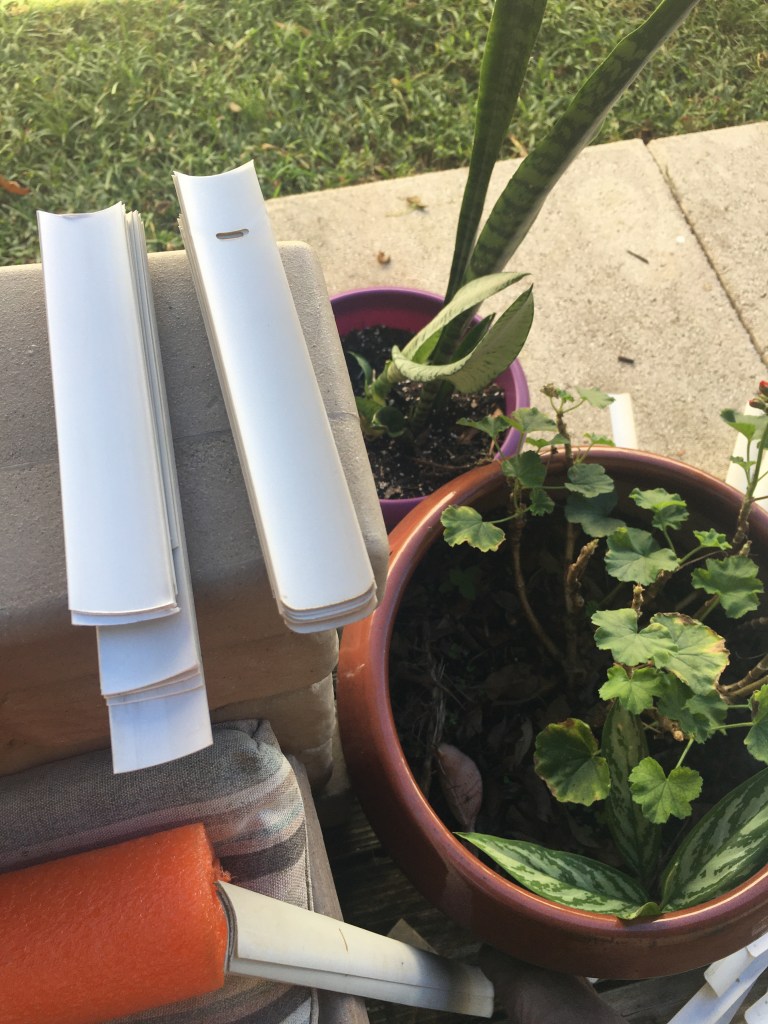
First thing to do is to cut each end where strings connect top and bottom. The slats come off in one piece with less mess or additional cutting.
After cutting top and bottom
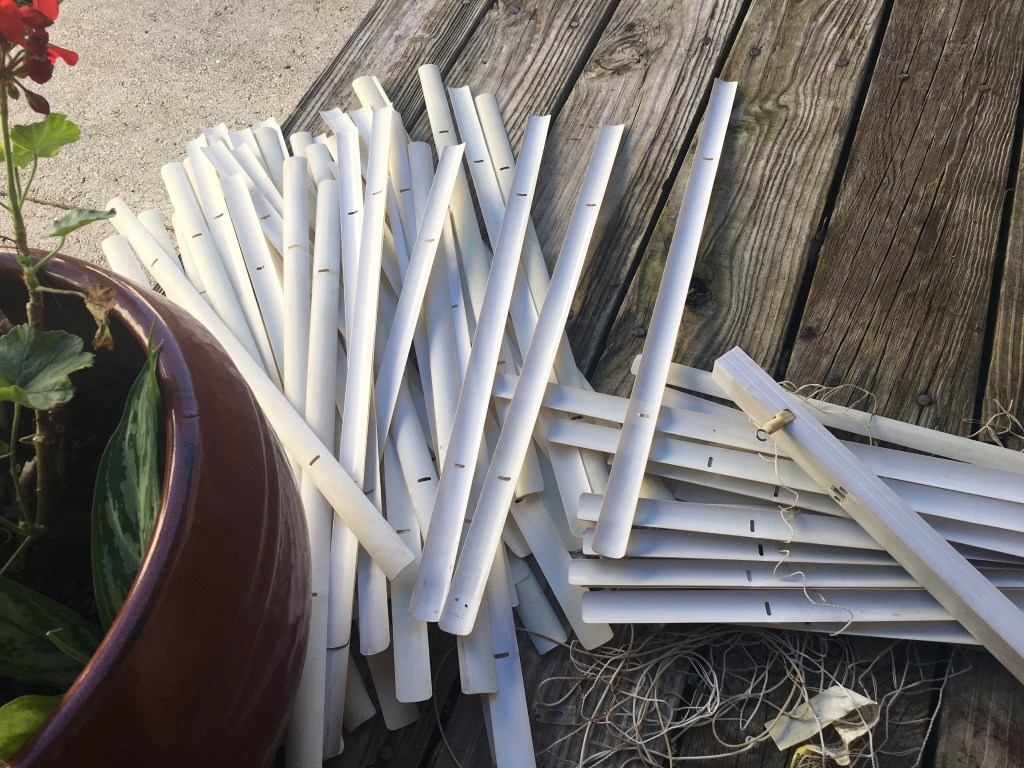
Take each one, set aside and pile up! You’ll have a nice collection to use in all your pots and they’re waterproof and reusable!
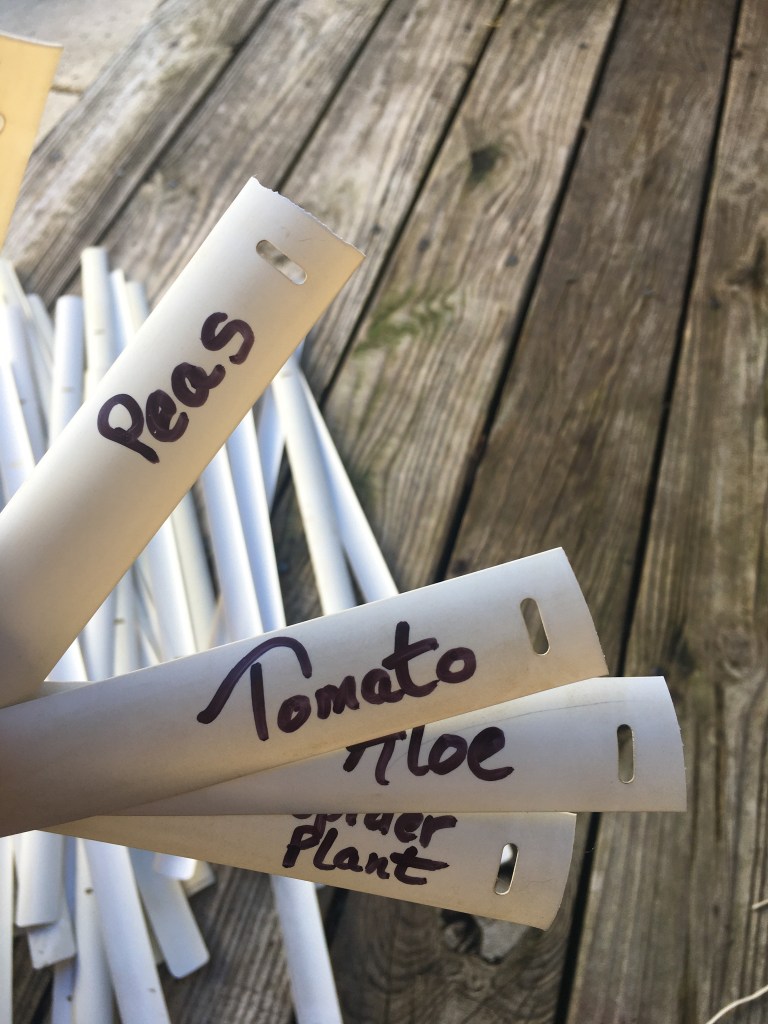
Cut in lengths for the size container you need. Some long, some short. Label with a Sharpee Marker or any waterproof pen. There you have it. Free Plant ID Markers 📌✂️
From the Greek the name Crinum simply means “Lily.”
By all the looks and feel Crinum plants have all the characteristics of a lily.
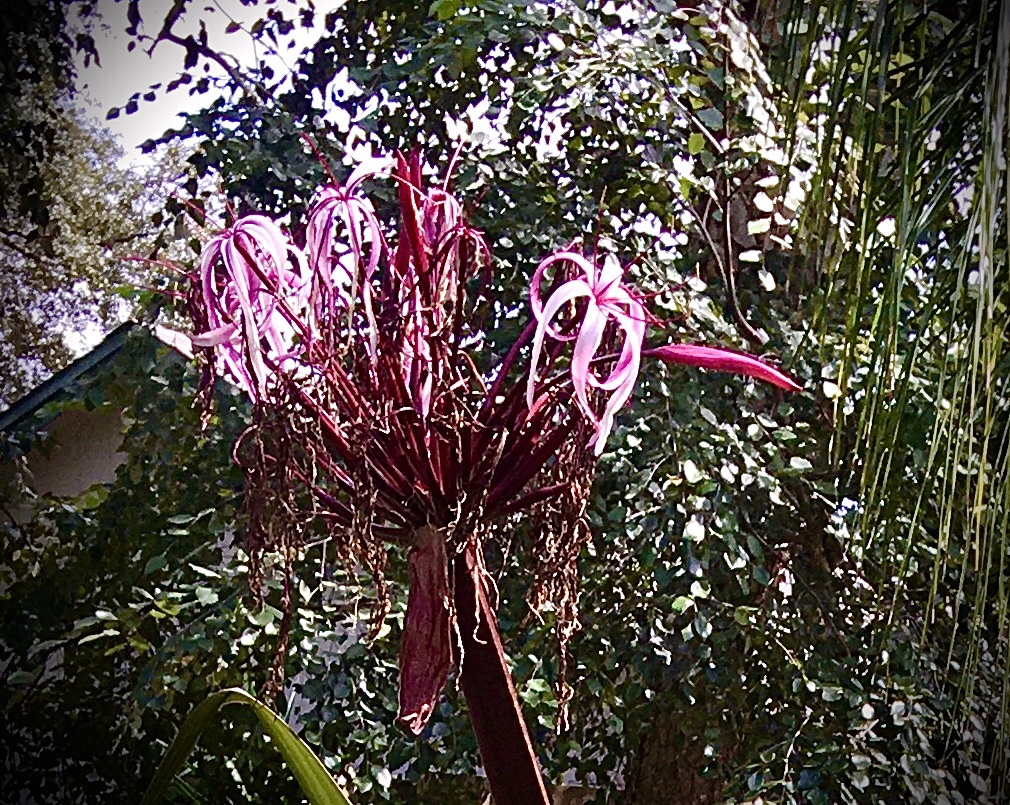
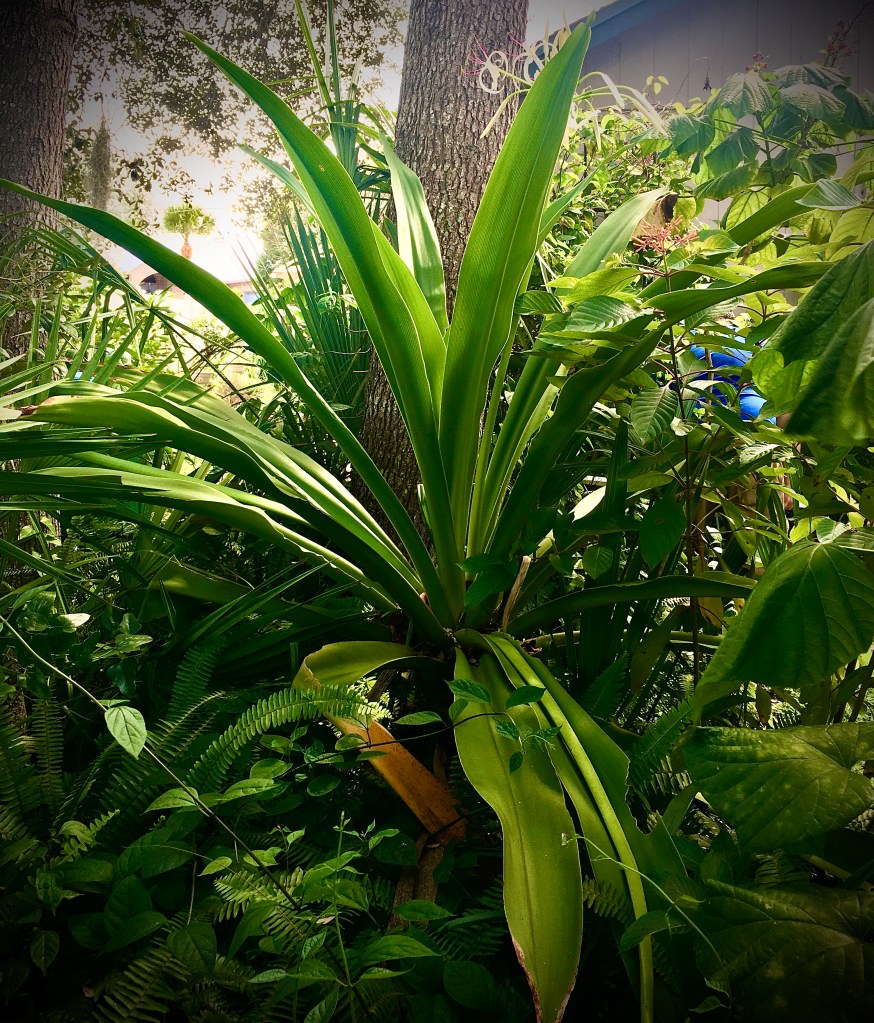
Red Crinum Lily
Origin: South Africa
Family: Amaryllidaceae
Botanical Name: Crinum
Common Name: None sometimes called “spider lily”
Plant Type: perennial plant and sun-loving bulb
Size: 24″ inches to 6′ feet tall and wide
Flowers: large fragrant flowers in white to pink to wine-red
Bloom Time: late spring and summer
Hardiness: USDA hardiness zone 6b – 11 depending on the variety
Exposure: Sun-loving plants
Soil: rich, moist soil
Water: drought tolerant but do better well watered
Fertilizer: balanced liquid fertilizer during growing season
Propagation: division of side shoots
Pests & Problems: grasshoppers and aphids
Crinum lily bulbs… they’re exotic, related to the Amaryllis plant, with exciting “bell-shaped” fragrant flowers, that come with a lovely sweet scent.
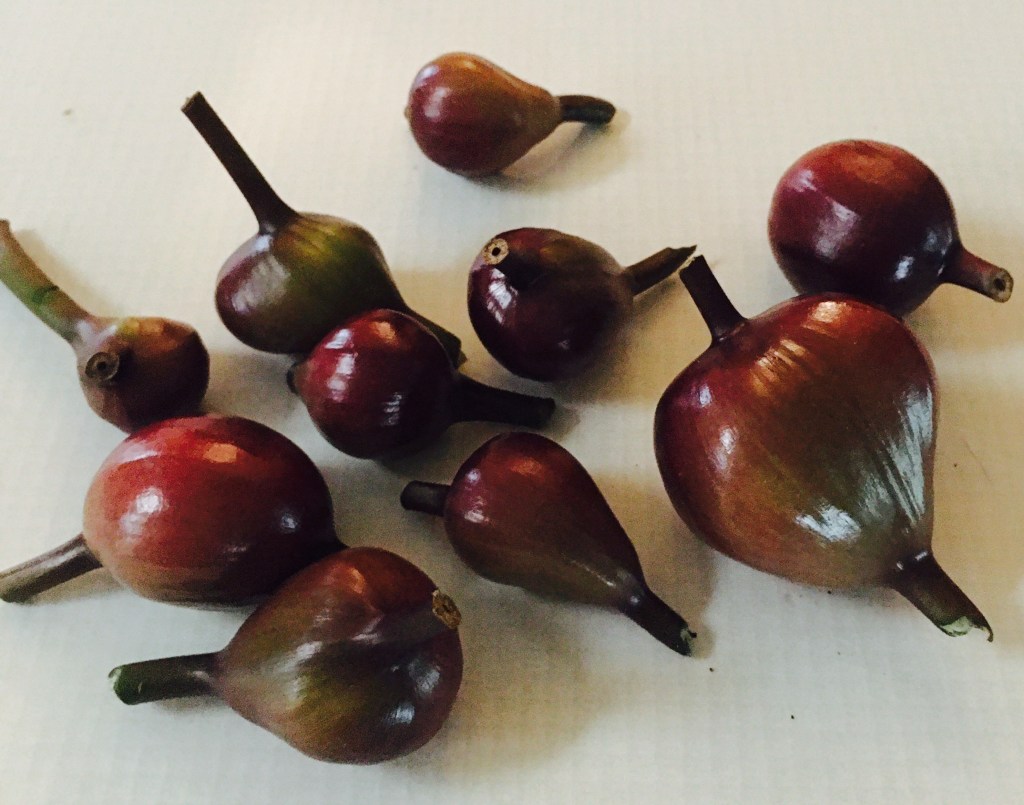
The seed bulbs need to be placed in a pot or directly into the ground. Very hard to save bulb if not planted!! They do not keep and will dry out otherwise.
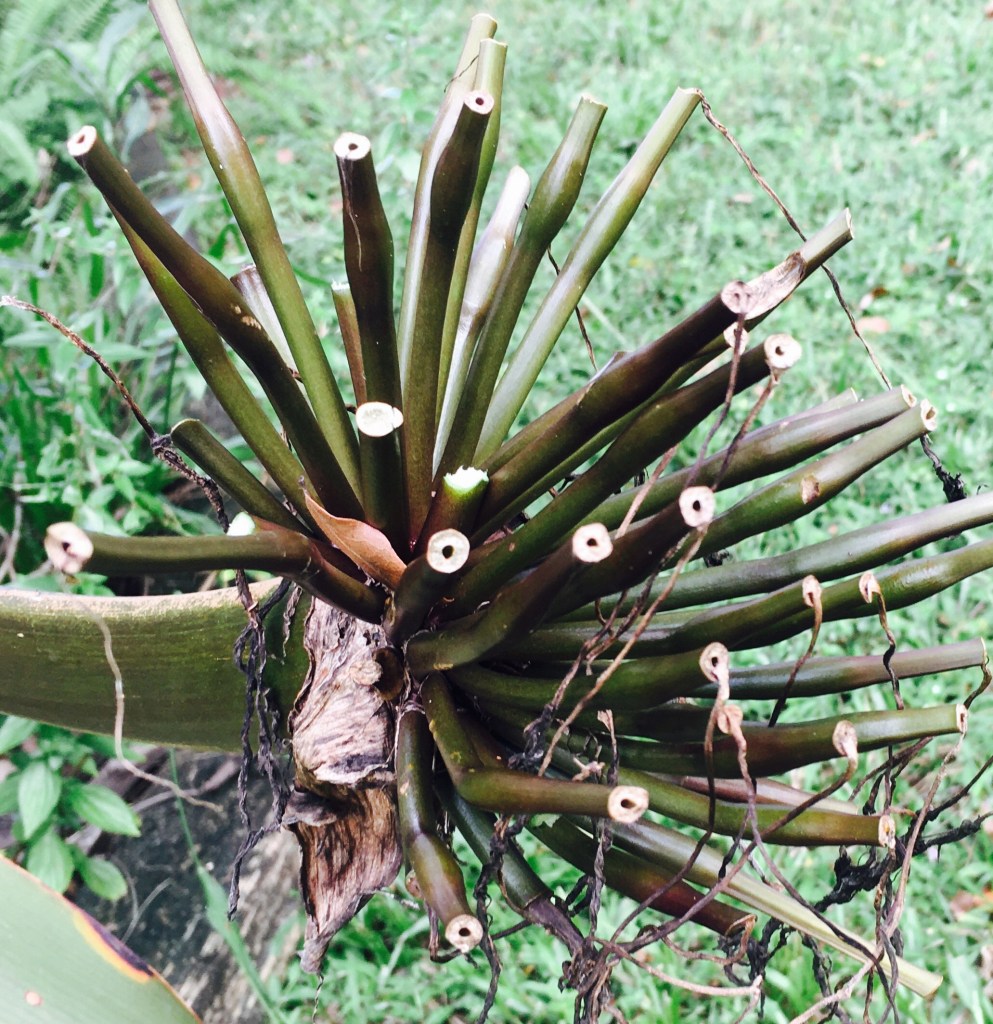
The Pink flower bloom. When you see this, keep an eye out for the seeds (bulb) that form after. Red Crinum Lily BulbsThis is after the bulbs fall off or in this case, I broke off to plant!! White Crinum Lily White flower and their seed bulbs are Green
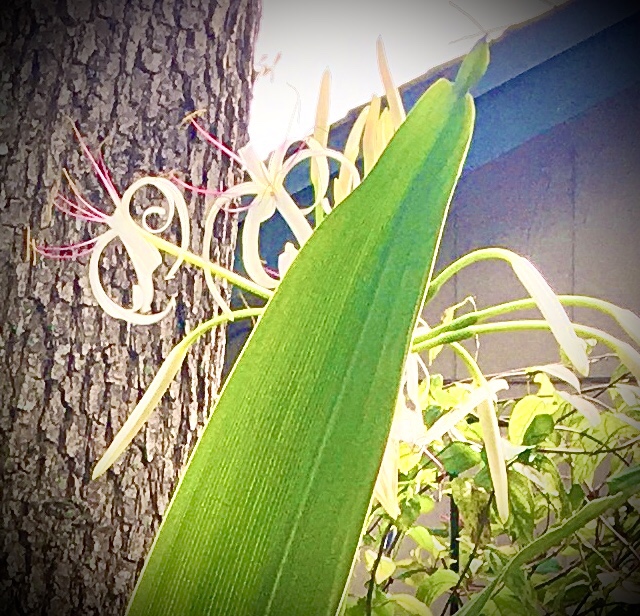
The White Crinum is also in the same family! They differ in leaf and flower color. The blooms are white while the Red Crinum are pink.
When planning your USDA zone 9b garden, begin with the trees that love mild winters and hot summers.
The time to plant trees is now 🌳
What fruit trees can you plant here in Deltona Florida? Take a look at the list.
Consider your garden’s “microclimates”, whether warmer or colder than the average within your hardiness zone, sun exposure, space available and soil type. Always check the recommended hardiness zone for the species and cultivar before making a final selection for your home orchard.
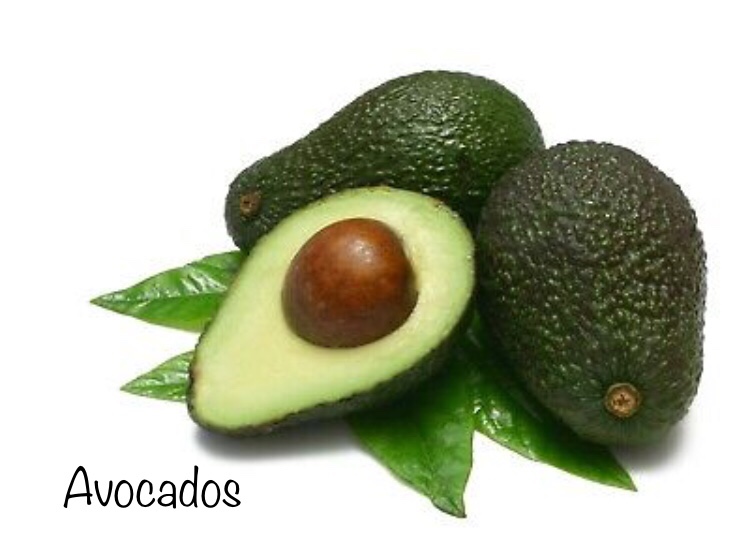
Native to Central America, the avocado (Persea americana) has been cultivated since at least 500 B.C. This subtropical tree grows in zones 8 through 11. The three different types of avocados vary in their cold tolerance. The Mexican cultivars tolerate frosts down to 16 degrees Fahrenheit, Guatemalan down to 24 degrees and West Indian down to 32 degrees. Avocado trees can grow to over 60 feet tall under ideal conditions.
Avocado
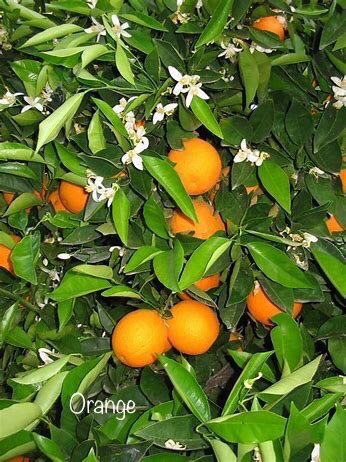
The lush fruits of citrus trees (Citrus spp.) make them a desirable addition to your zone 9b garden. In general, the many cultivars of lemon, lime, orange and mandarin thrive in zones 9 and 10. A few, such as pummelo and grapefruit, need extra protection if frost threatens.
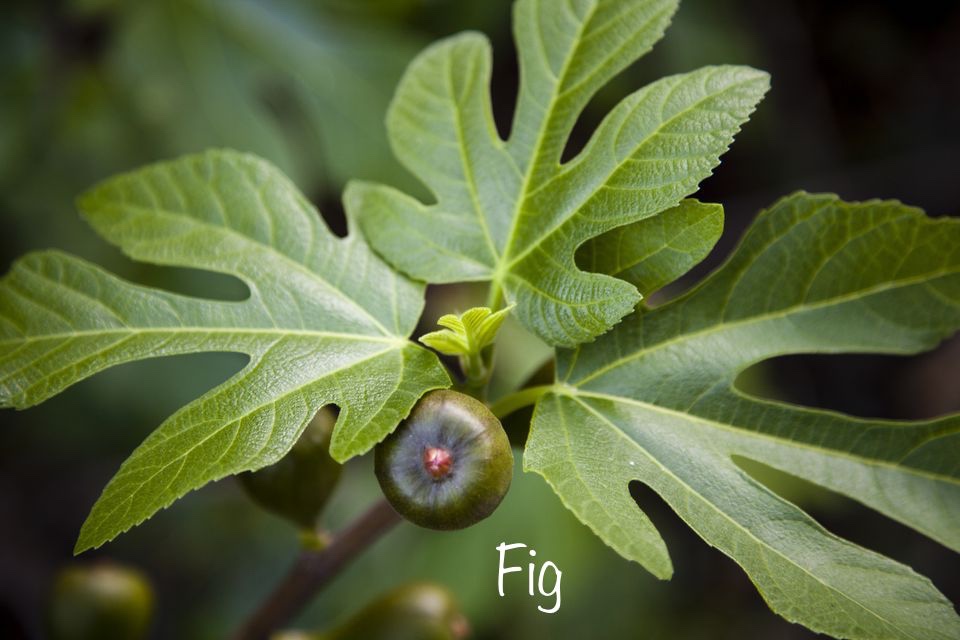
Grown in climates from temperate to tropical, the fig (Ficus carica) grows in zones 5 through 10, depending on the cultivar. Native to western Asia, figs have been cultivated throughout the Mediterranean since at least 5000 B.C. The Spanish brought figs to Mexico in 1560 and to California’s San Diego Mission in 1769. ‘Chicago Hardy’ is the hardiest of the figs, grown in zones 5 through 10. Other fig cultivars, such as ‘LSU Gold’ and ‘LSU Purple,’ prefer the warmer temperatures of zones 7 through 10. Most figs are self-fertile but produce a larger crop when a second tree is planted nearby.
Plant loquat trees (Eriobotrya japonica) in zone 8 through 10 gardens. You can prune the 10- to 25-foot tall evergreen trees to a shrub or tree form. The small orange fruits are described as a combination of a plum and kumquat. Loquats do well in full sun and partial shade.
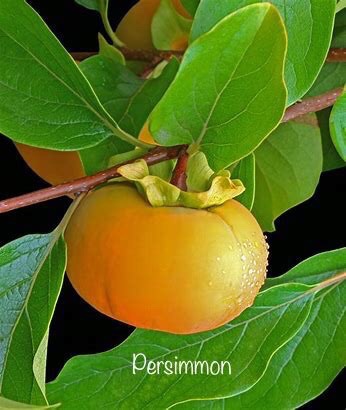
Persimmon trees are native to Asia (Diospyros kaki) and North America (Diospyros virginiana). The Asian species thrive in zones 6 through 10, while the native trees are more cold tolerant, growing in zones 4 through 10. The cold and heat tolerance of both species depend on the particular cultivar. The fruits of native persimmons, and some of the Asian cultivars, are lip-puckeringly astringent until fully ripened.
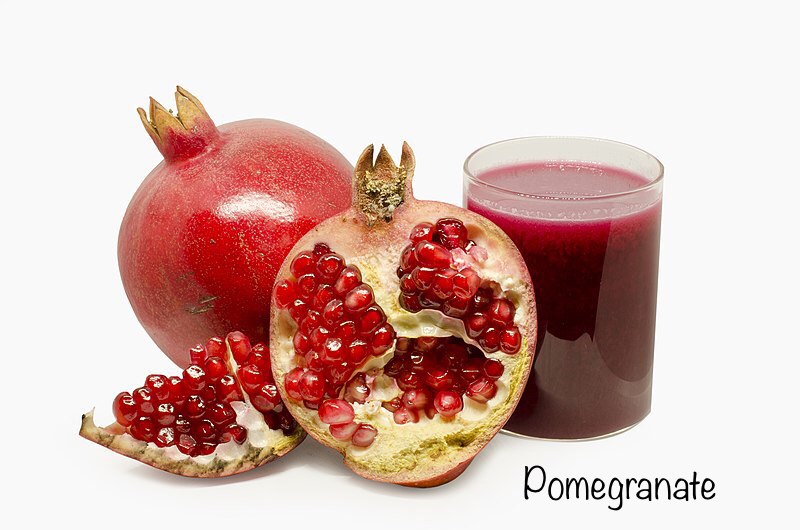
The pomegranate (Punica granatum), a native of southern Europe and middle to western Asia, thrives in zones 8 through 10. It attracts hummingbirds and bees to its orange-red flowers and produces rounded fruits filled with juicy sacs that contain its edible seeds.
New Cultivars of Old Favorites
In general, many favorite fruit tree species have minimum chilling requirements. The winter chilling requirement is a range of hours each year that hover just above freezing, between 32 and 45 degrees Fahrenheit. The three basic ranges are high at 1,000 chilling hours or more, medium at 700 to 1,000 chilling hours and low at less than 700 chilling hours. There are a few cultivars that require few or no winter chilling hours, which are suitable for USDA plant hardiness zone 9b.
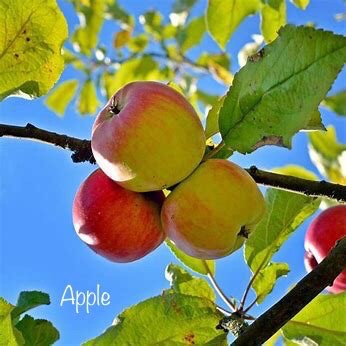
Planting your own apple (Malus domestica) orchard in zone 9b requires heat-tolerant and low-chill varieties. Among the apple trees that thrive in the mild winters and hot summers of zone 9b are ‘Golden Delicious’ (zones 4-9); ‘Anna,’ ‘Ginger Gold’ and ‘Granny Smith’ (zones 5-9); ‘Ein Shemer’ (zones 6-9) and ‘Cinnamon Spice’ and ‘Dorsett Golden’ (zones 5-10).
Like apples, most apricots (Prunus armeniaca) require more chilling hours than zone 9b can provide. There are a few low-chill varieties, including ‘Garden Annie’ and ‘Tropic Gold’ (zones 6-9). There are also a variety of apricot hybrids (Prunas salicina or Prunas cerasifera x Prunus armenica) available. Of these, ‘Cot-N-Candy’ and ‘Summer Delight’ apriums (zones 7-10) and ‘Candy Stripe’ and ‘Flavor Supreme’ pluots (zones 6-9) will all produce a good harvest in your zone 9b garden.
Natives of Asia, the Asian pears (Pyrus pyrifolia and Pyrus ussuriensis) thrive in a wide range of climates, from zones 4 through 10. There are thousands of cultivars available in Asia and several dozen in North America. The crisp, apple-like fruits smell and taste like pears. Add two different cultivars to your garden to ensure a good crop. ‘New Century’ (zones 4-9) and ‘Hosui’ and ‘Korean Giant’ (zones 7-10) are among the cultivars that will produce fruit in zone 9b.
European-Asian pear hybrids (Pyrus communis x Pyrus pyrifolia) will grow and produce fruit in your garden. ‘Flordahome’ (zones 8-10), ‘Leconte’ (zones 8-9), ‘Hood’ and ‘Spaulding’ (zones 6a-9), and ‘Maxie’ (zones 5-9) are among the possibilities. Some cultivars are self-fertile; plant two to ensure a good harvest.
Though sour cherries (Prunus cerasus) require more chilling hours than your zone 9b garden can provide, you can still grow a few sweet cherry (Prunus avium) cultivars. Your cherry orchard might include sweet and juicy ‘Lapins,’ ‘Sam Sweet’ and ‘Starking Hardy Giant’ (zones 5-9). When selecting cherry trees, consider your available space. Dwarf and semi-dwarf trees are suitable for most home gardens. Standard trees grow up to 30 feet tall with an equally wide canopy.
Most North American native pawpaw trees (Asimina triloba) prefer the colder winters of zones 4 through 8. Low-chill cultivars include ‘Mango,’ ‘Shenandoah’ or ‘Wabash’ (zones 5-9). Pawpaw trees grow from 12 to 25 feet tall and equally wide, depending on the amount of sunlight they receive. The trees tolerate partial shade, making them a good choice in gardens that are shaded by walls, buildings or larger trees in the afternoon. Two different cultivars are needed for pollination and fruit production.
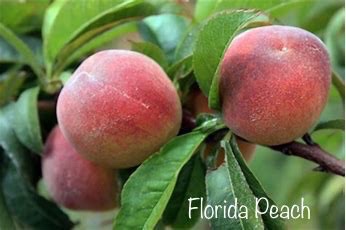
Peaches (Prunus persica) and nectarines (Prunus persica nectarina) are essentially the same species. Nectarines are a smooth-skinned subspecies of the peach. Peaches ‘Desertgold,’ ‘Galaxy’ and ‘Newhaven’ (zones 5-9), as well as nectarines ‘Crimson Gold’ and ‘Flavortop’ (zones 5-9), are among the better choices for home gardens in zones 9b.
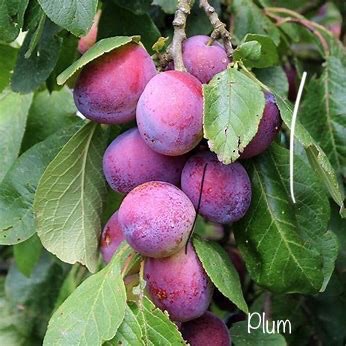
From ‘Burbank’ to ‘Santa Rosa,’ Japanese plum trees (Prunus salicina) offer a wide range of cultivars suitable for zones 5 through 9. European plums (Prunus domestica) also grow in zones 4 through 9, with a few cultivars suitable for zone 9b.
Protect Your Trees From Freezing Temperatures
To successfully grow subtropical and tropical fruit trees in zone 9b, monitor weather forecasts. When a frost is predicted, protect your trees by covering them with fabric or plastic sheeting “suspended on poles”.
Weigh the edges down with bricks, rocks or boards to prevent cold air from seeping under the coverings. A heavy layer of mulch, at least 4 to 5 inches, placed over the root ball and thorough watering before the temperatures drop also help protect the tender roots of cold-sensitive trees.
Be sure to remove plastic off your tree as soon as the sun rises. The sun will heat up inside the plastic and do more harm than good. Use plastic as a last choice.
Over the years, i stopped covering plants. I found they were capable of survival on their own. It became exhausting and now I only keep choices suited for 9b growing!!
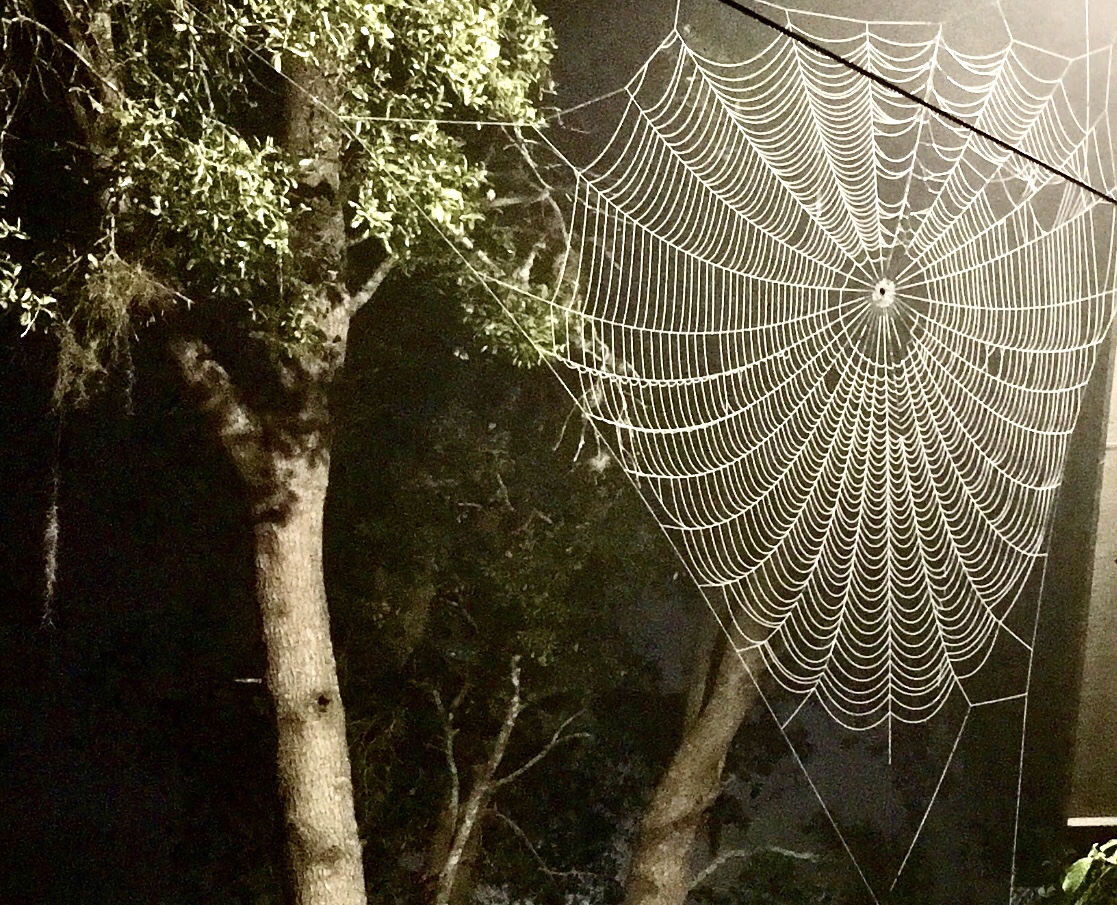
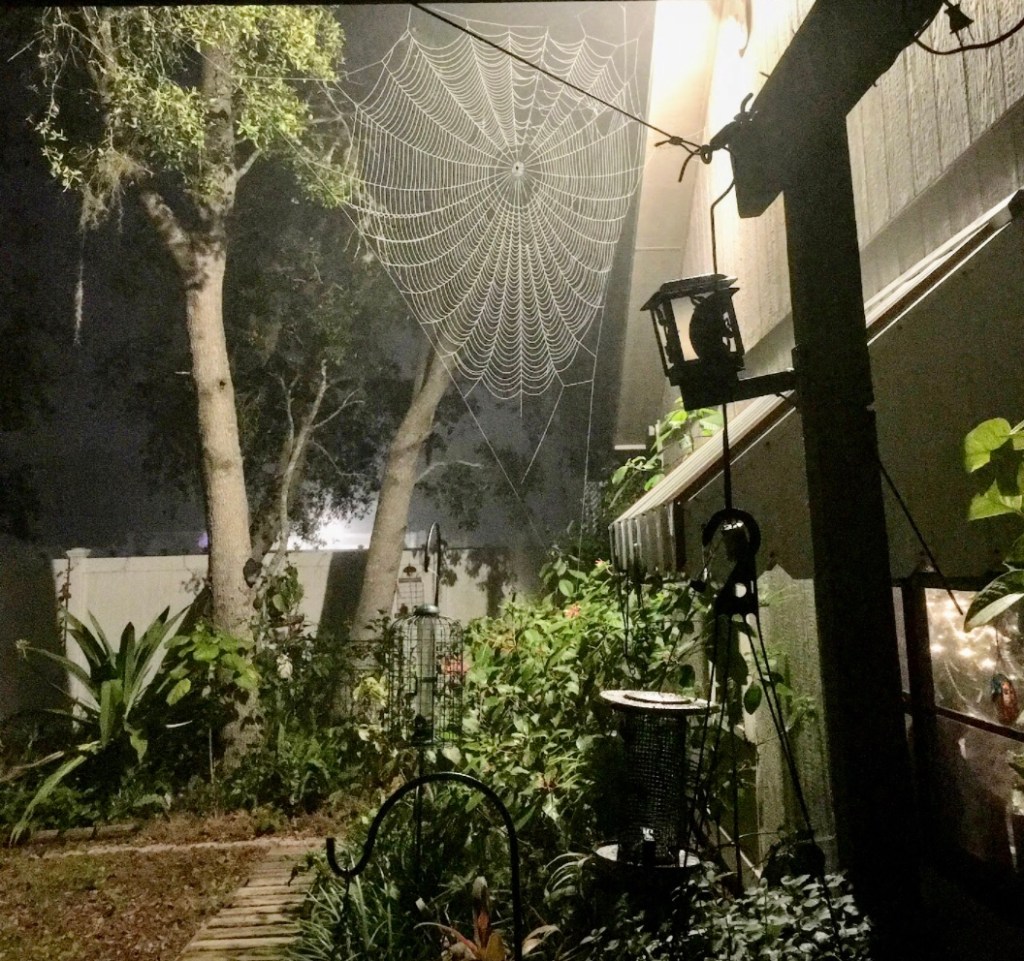
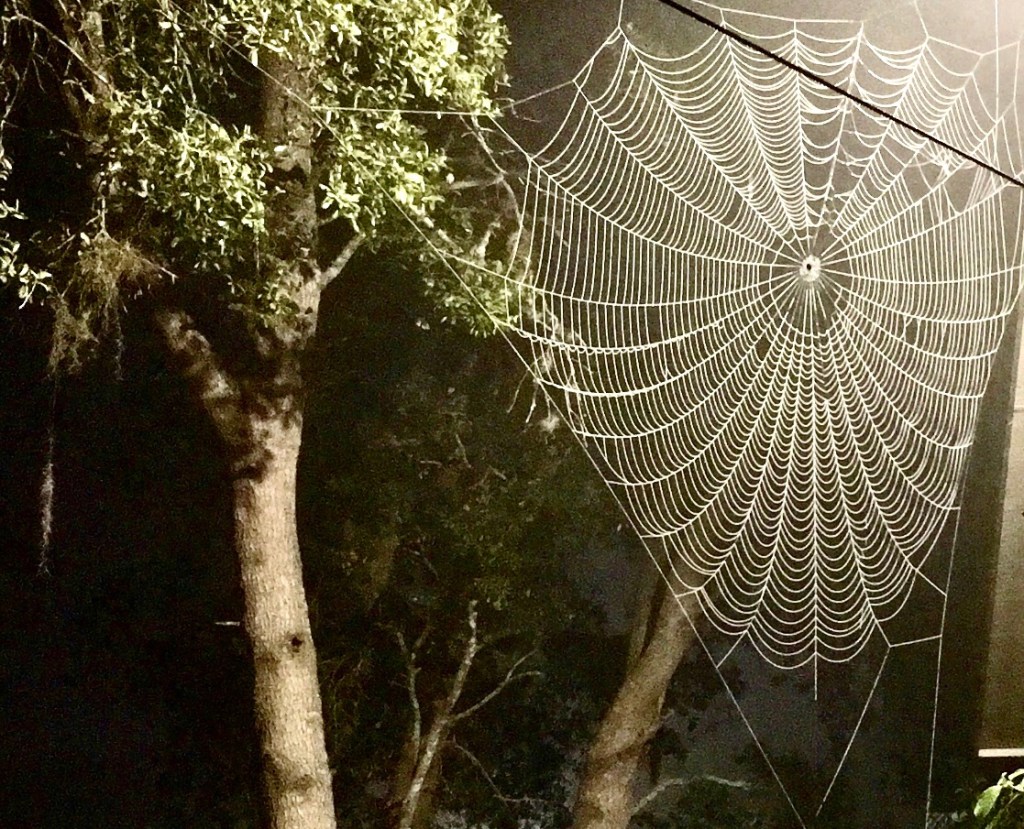
Now that fall is upon us, spiders and other critters are tying up loose ends! The animal kingdom knows winter is not far off and lots of other mammals, insects and birds are also preparing.
A master weaver spent the night spinning silk
Did you know all spiders are poisonous? It’s only a few that actually can inflict harm. The venom of the Brown Recluse and Black Widow come to mind.
Do you know the difference?Now that you’ve compared pictures. What kind of spider is this?
Correct. “The Wolf Spider”. Not something you’d want to wake up to for breakfast. My niece Alexandria wanted to keep it for a pet. Just kidding.
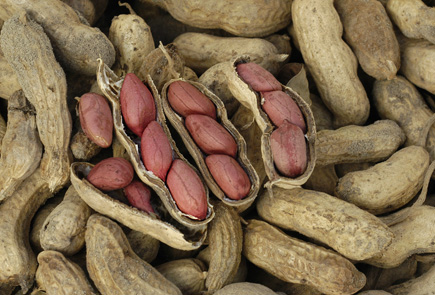
I have never thought of growing peanuts until my friend Denise from NJ recently posted the peanuts she grew!
What a great sustainable food to grow full of protein! Peanut butter fresh from the garden? This thought has me hooked!
This is what I’ve learned.
Peanuts are a great addition to a home garden since they require minimal care and provide bountiful yields. If you’re looking to try something new in your garden this year, maybe it’s time to take a closer look at the potential of peanuts.
Home-grown peanuts offer lots of possibilities in the kitchen. Talk about peanut gallery! They can be roasted in their shells, ground into peanut butter or boiled for a traditional down-home Southern snack.
Carwile’s Virginia, an heirloom peanut variety introduced by Southern Exposure. The plants have great drought resistance.
When you are selecting peanut seeds for planting, it’s helpful to keep in mind that there are four main types of peanuts. Virginia peanuts have the largest seeds, and are usually roasted in the shell and have a more gourmet quality. Runner peanuts typically have a uniform size and are the preferred choice for grinding into peanut butter. Spanish peanuts have the smallest seeds, and are used for mixed nut snacks. They also have the highest oil content. Valencia peanuts are known for being the sweetest and for having attractive, bright red skin.
If you purchase a peanut seed package from us, you’ll notice that we ship peanuts still in their shells to ensure seed protection and preservation. Before you plant your peanuts, they will need to be shelled. Be careful not to damage the seeds while cracking them open.
In the garden…
Peanuts generally need a long growing season and relatively sandy soil, although Tennessee Red Valencia peanut can grow in clay soil. However, if you add enough organic matter by hilling or planting in raised beds, most peanut plants will be able to grow in clay soil.
Selecting peanut seeds for planting is easy once you figure out what works best with your garden conditions. Growing peanuts requires 130-140 frost-free days from the time they are sown until harvest time. If your growing season falls just short of this time window, it’s possible to start growing your peanuts indoors or in a greenhouse until the danger of frost passes and then transplant them outside.
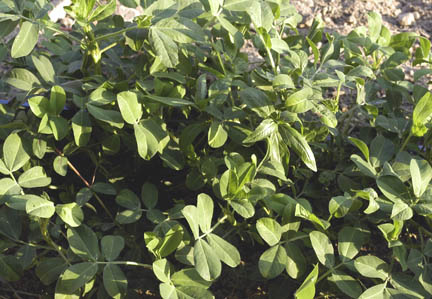
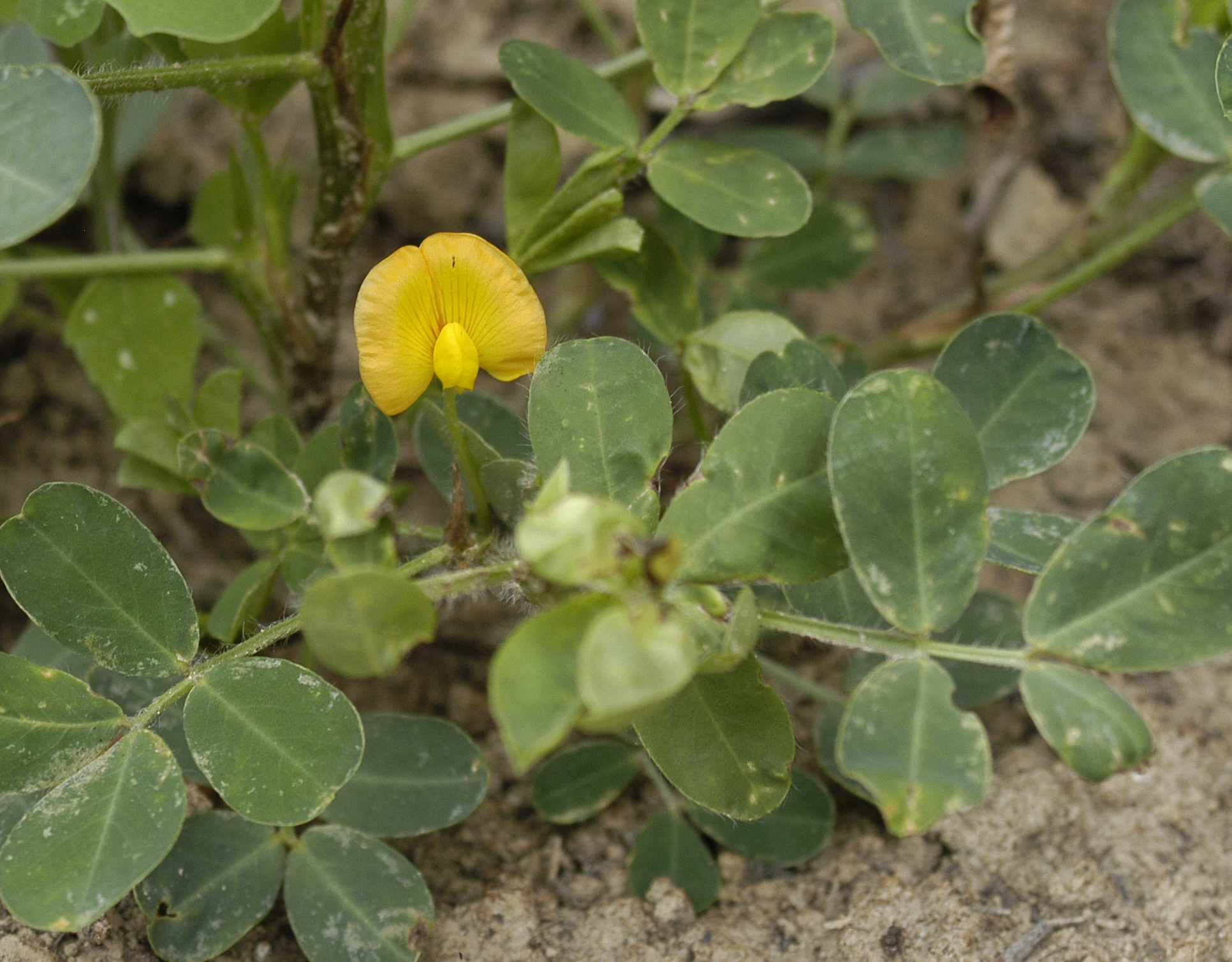
A peanut plant in flower. From here on the plant needs steady water.
Plant peanuts one to two inches deep and about six inches apart. Next, add a thick layer of compost and a layer of mulch.
Be aware–peanuts need shallow weeding. You could damage them by digging too deeply into the ground where they are are developing. When the plant begins to flower, pegs will drop into the ground under the flower and produce peanuts. Hand-weeding is the only option after the peanut pegs.
Also, after your plants start flowering, it’s important not to let them dry out or they won’t produce as many of the mouth-watering legumes you’ve been waiting for.
Once frost is in the forecast or the plant stems begin to turn yellow, it’s time to harvest. Try not to harvest while the soil is wet, and don’t wait too long to harvest your peanuts–they’ll start sprouting in the ground if left unattended! Dig around the perimeter of where the plant’s leaves have sprawled. Lift the plant out of the ground and flip it, so that the leaves are on the ground. If rain is in the forecast, bring your plants into a shed or garage.
Growing zone is 3-8 but perhaps some experienced gardeners in Florida can try to grow!
VARIETIES OF WITCH HAZEL
In addition to the common witch hazel, also called American witch hazel, that this article focuses on (Hamamelis virginiana), the witch hazel plant takes other forms that gardeners may choose to plant instead.
Chinese witch hazel (Hamamelis mollis): When bred with Japanese witch hazel, Chinese witch hazel is responsible for the many hybrid varieties (Hamamelis x intermedia) that make up the kaleidoscopic spectrum of foliage and flower colors available as well as the range of heights on the market.
Japanese witch hazel (Hamamelis japonica): Crossed with Chinese witch hazel, Japanese witch hazel creates the witch hazel hybrids (Hamamelis x intermedia) that offer so many different heights and visual options to gardeners.
Ozark witch hazel (Hamamelis vernalis): This variety of witch hazel blooms in February, as opposed to the autumn-blooming common witch hazel. It is native to the Ozark Mountains in Arkansas and Missouri. Although the blossoms of Ozark witch hazel are smaller than its relatives, they are known for their intense fragrance. Notable cultivars include “Autumn Embers” for its coppery red blooms and “Purple Ribbons” with its thin strips of purple petals.
GROWING CONDITIONS FOR COMMON WITCH HAZEL
Like most native plants, common witch hazel isn’t especially picky when it comes to where it should be planted. You can situated a witch hazel tree in most types of soil, from slightly acidic to neutral, as long as the ground offers enough drainage to prevent the roots from staying too wet. For best results, plant witch hazel where soil is rich and deep. witch hazel trees grow best in full sun or full shade, although they will grow well in sun at three-quarters strength as well. At least a touch of shade to protect trees from the heat of the afternoon is appreciated.











 Deltona Garden Community