Can You Cut A Neighbor’s Tree If It Hangs Over Your Property?
In the U.S., you can generally cut the branches of a neighbor’s tree when they hang over your side of the fence. In fact, whatever overhangs your property is considered your responsibility. But there are a few caveats here:
Only cut branches up to the property line. If the tree trunk is growing on your neighbor’s property, you’ll have to ask for permission to cut further or completely remove a branch.
Stay on your property while pruning. If you need to cross over to your neighbor’s property to reach something, ask first.
Even if a tree belongs to your neighbor, do not throw pruned branches onto their property for cleanup. You are responsible for disposing of the yard waste.
If pruning everything on your side would severely damage or kill a tree, hold off for now. Your locality or state may prohibit this. Look into local ordinances and laws, then talk to your neighbor to see if there’s a better solution for pruning the tree.
Who’s Liable If A Branch Falls?There are good reasons to take care of dead, diseased, or overburdened branches that hang across your fence. For one thing, you’ll probably be liable if the branch falls and causes damage on your property. This means you’ll have to remove the branch yourself, make repairs, and pay for the damage. There are some exceptions to this guideline, like when a neighbor allows a sickly tree to decline rather than taking care of the problem
— Read on www.msn.com/en-us/lifestyle/home-and-garden/are-you-allowed-to-trim-a-neighbor-s-tree-that-s-hanging-into-your-yard/ar-AA1KNNEM
Category: Tips
Photosynthesis
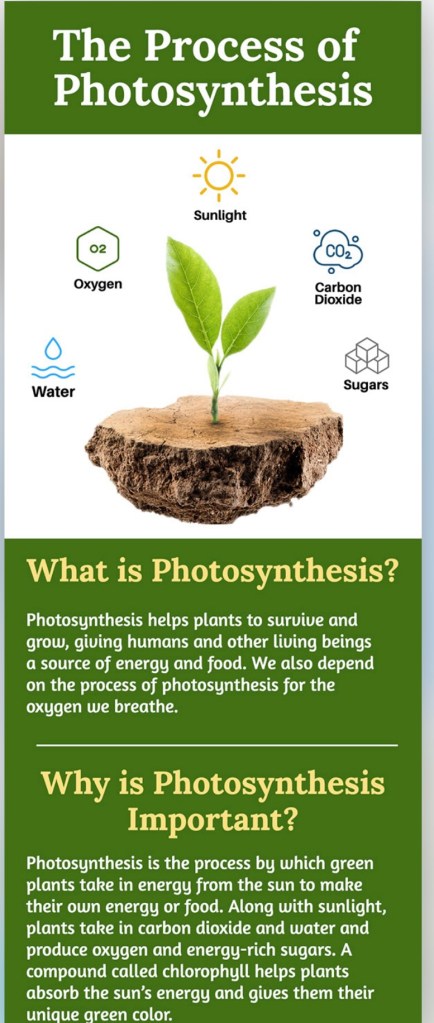
Fig Trees: How to Grow and Care for them for Maximum Results

By Jennifer Poindexter Figs are a delicious fruit that are high in fiber and filled with flavor. You may use figs for everything from making …
Fig Trees: How to Grow and Care for them for Maximum Results
Make your own fertilizer
There are many different all natural garden fertilizers that you can use right in your garden or with potting soil. Some of these fertilizers can be made or collected at home using common items from your pantry or your backyard. Here are 8 of our favorite DIY fertilizers for a variety of needs.
1. Grass Clippings
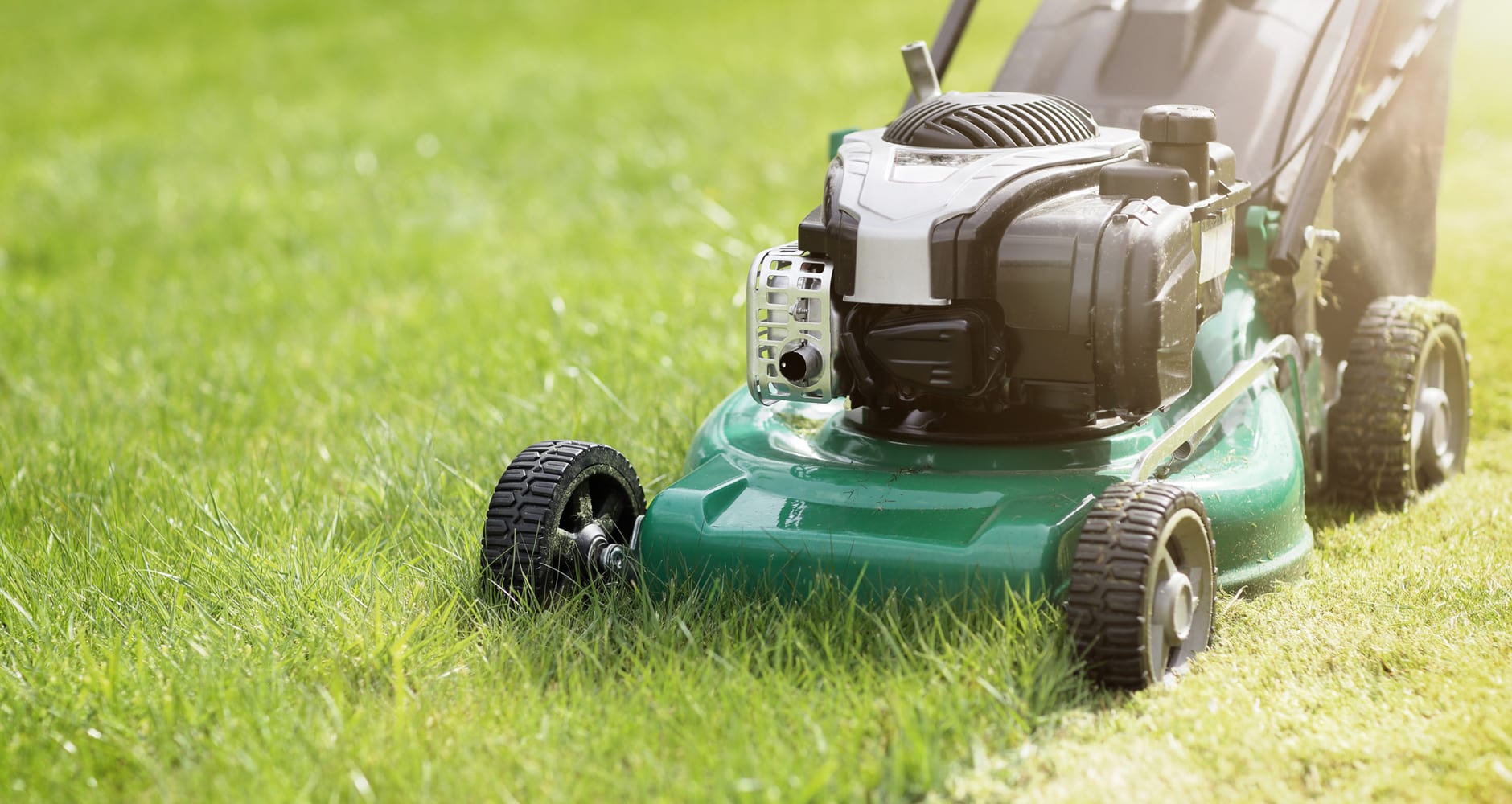
Grass clippings are rich in nitrogen.
If you have an organic lawn, make sure to collect your grass clippings to use on your gardens. Half an inch to an inch of grass clippings makes a great weed-blocking mulch, and it is also rich in nitrogen, which is an essential nutrient for most plants.
2. Weeds
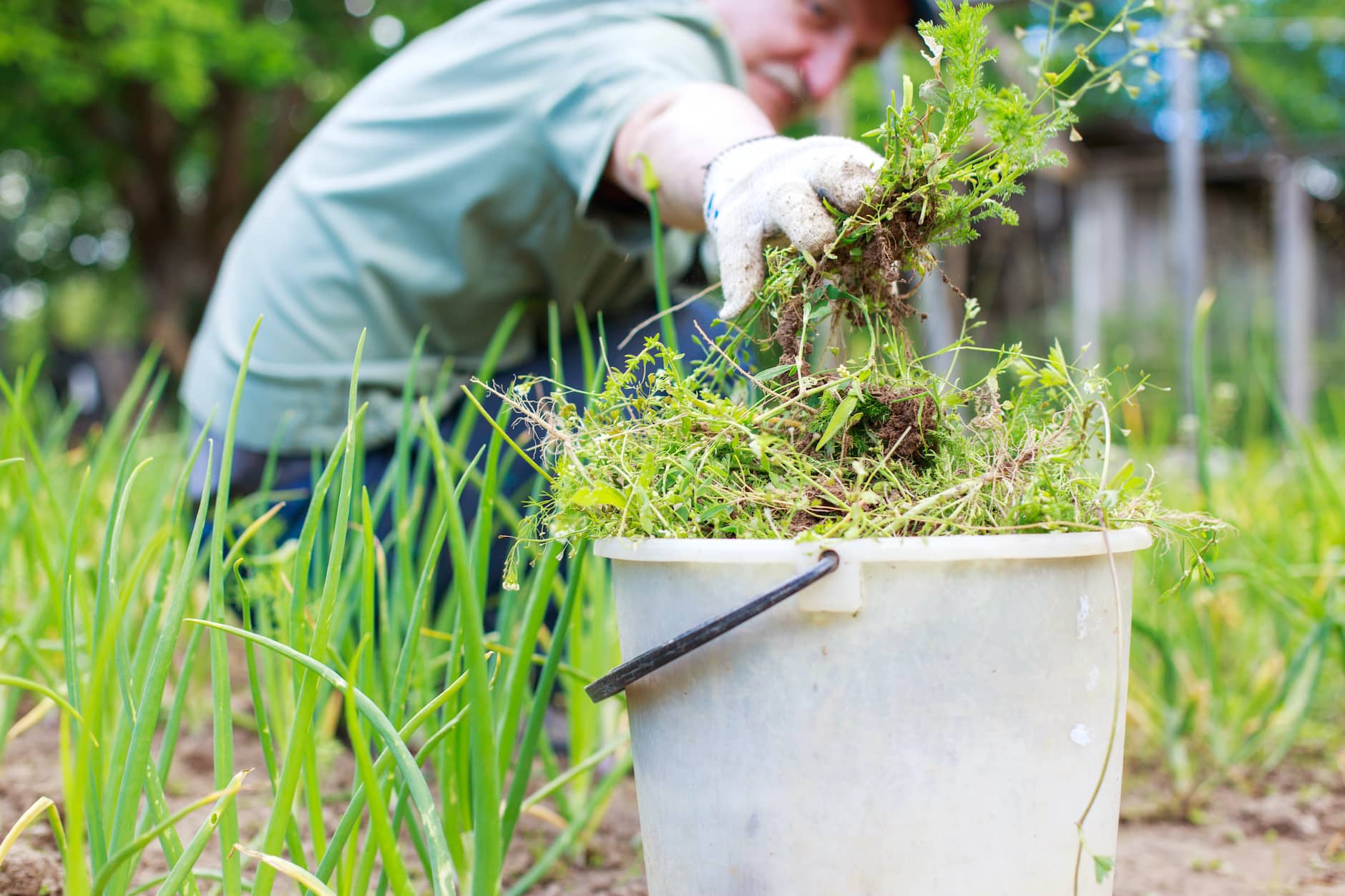
Weed tea makes great fertilizer.
Just like grass clippings, many of the weeds that you’ll find in your gardens are very high in nitrogen and will make an excellent fertilizer. The problem is, once you’ve pulled the weeds, you certainly won’t want to put them back in the garden because any seeds will sprout and make new weeds. The solution? Make weed tea. To do this, fill a five-gallon bucket no more than 1/4 full with weeds that you’ve pulled. Then fill the bucket the rest of the way with water, and let the weeds soak for a week or two. Once the water turns nice and brown (like tea), pour this nutrient-rich weed tea on your gardens.
3. Kitchen Scraps
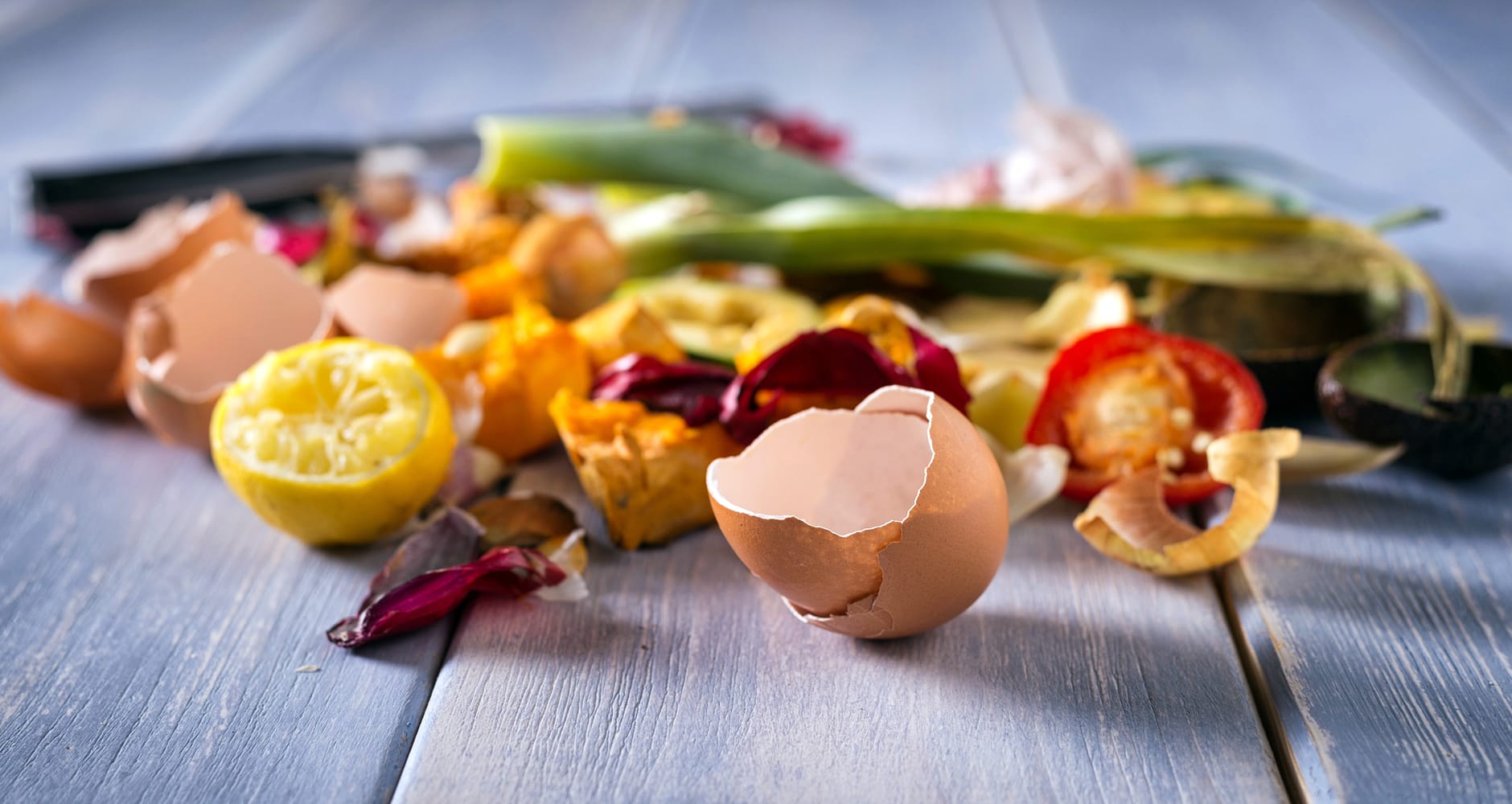
Compost
Put your kitchen and garden waste to work by making your own compost. Compost releases nutrients slowly, which means a well-composted garden can go a year or two without requiring reapplication of fertilizer. Compost also helps the soil retain moisture, which is essential for vegetable gardens to thrive during hot, dry summers.
4. Manure
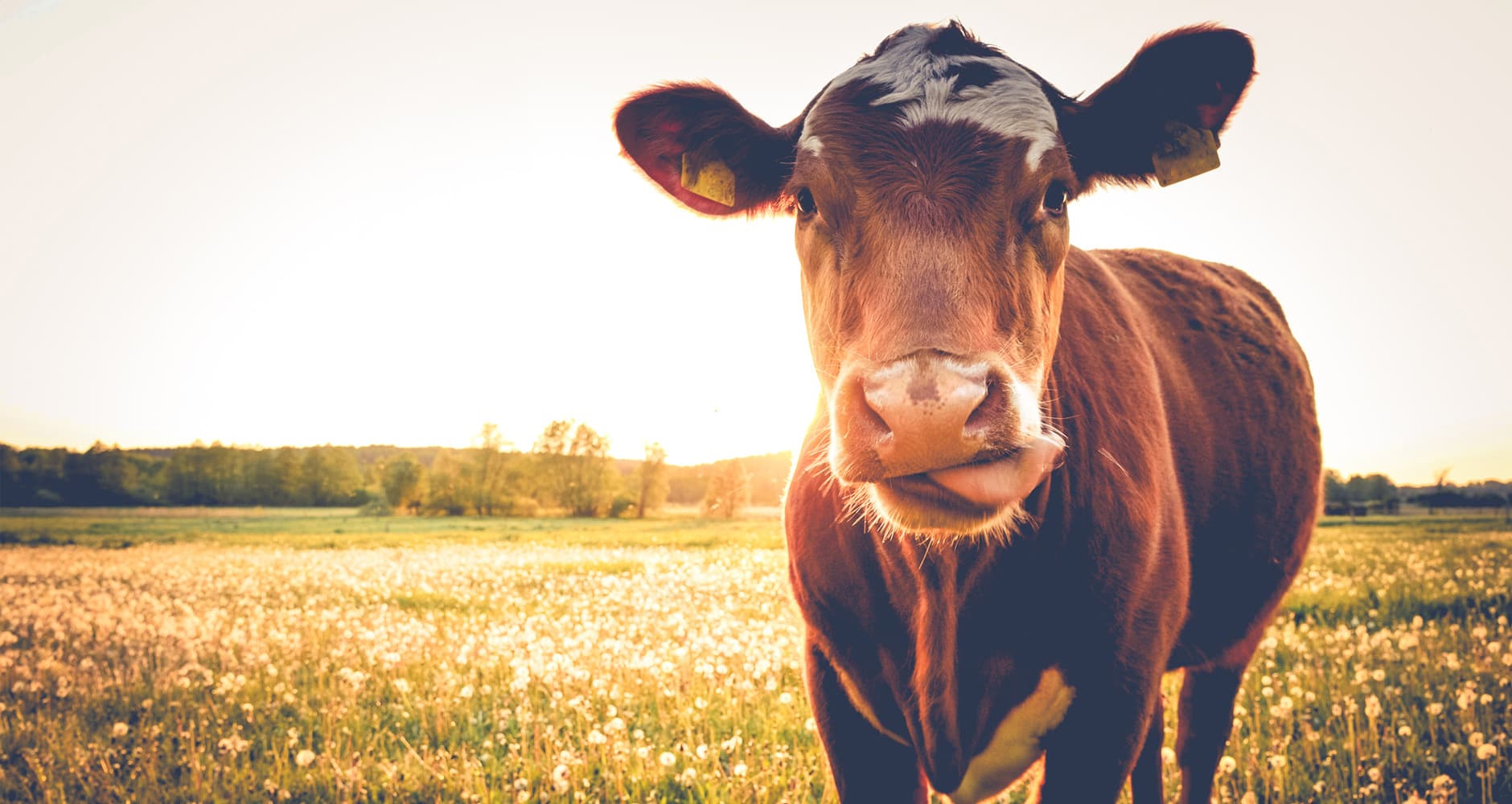
Manure comes from a variety of sources — cows, horses, chickens, and even bats. Each type of manure is high in nitrogen and other nutrients, but you’ll need to use it carefully. Raw manure is highly acidic and may actually have more nutrients than your plants need, so too much can burn your plants. It’s best to use composted manure. Since it is less nutrient-dense and acidic, you can use more of it to improve your soil’s water retention without risking your plants. You won’t have to wait long—manure quickly turns to a perfect odor-free soil amendment.
5. Tree Leaves
Rather than bagging up the fall leaves and putting them out on your curb, collect them for your gardens instead. Leaves are rich with trace minerals, they attract earthworms, they retain moisture, and they’ll help make heavy soils lighter. You can use leaves in two ways: Either till them into your soil (or mix crushed leaves into potting soil), or use them as a mulch to both fertilize your plants and keep weeds down.
6. Coffee Grounds
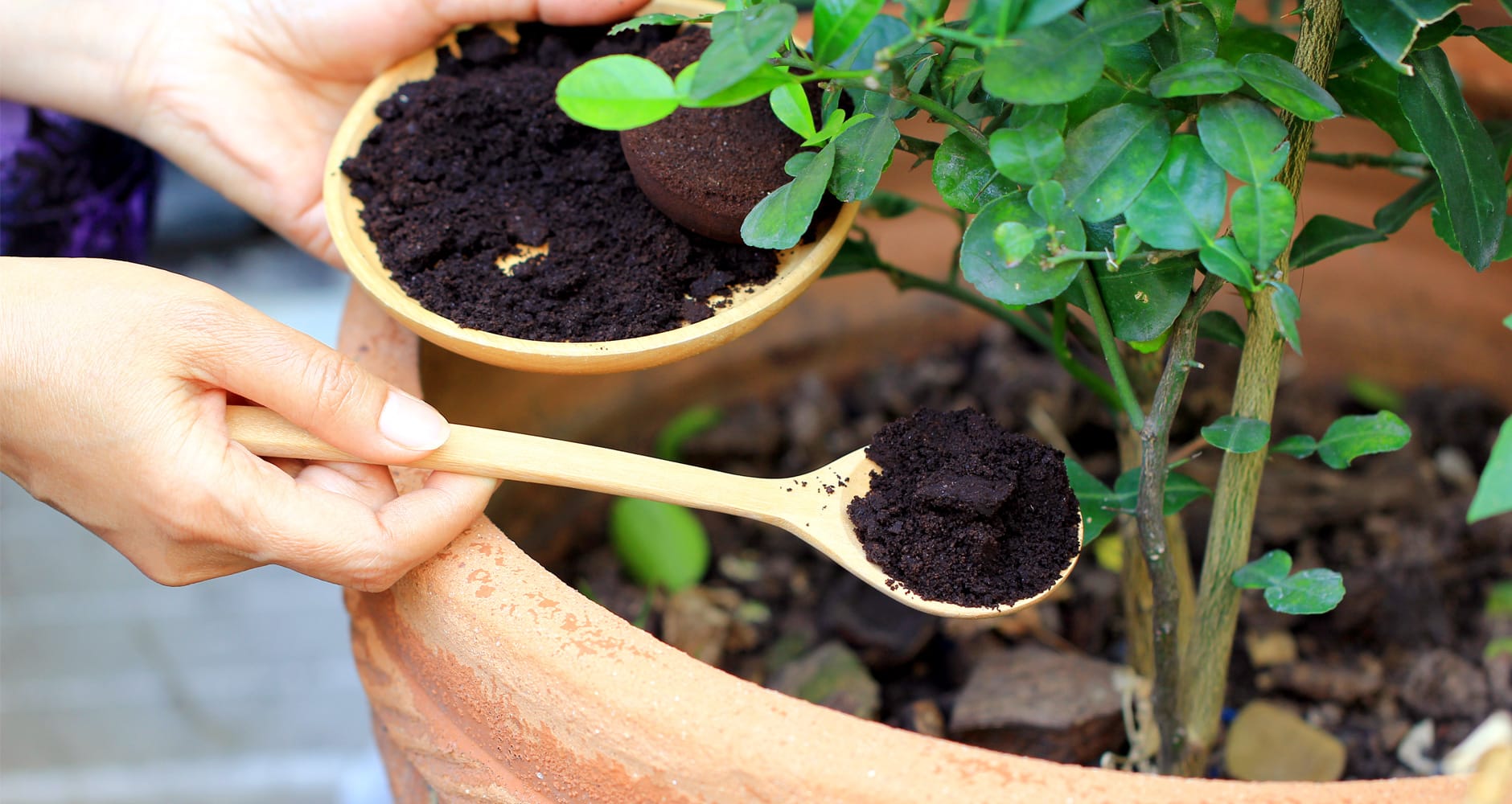
Coffee grounds come with a lot of uses, but one of their best is as a garden fertilizer. Lots of plants, such as blueberries, rhododendron, roses, and tomatoes, thrive best in acidic soil. Recycle your coffee grounds to help acidify your soil. There are a couple of ways to do this— you can either top dress by sprinkling the used grounds over the surface of the soil, or you can make “coffee” to pour on your gardens. Soak up to six cups of used coffee grounds for up to a week to make garden coffee, then use it to water your acid-loving plants.
7. Eggshells
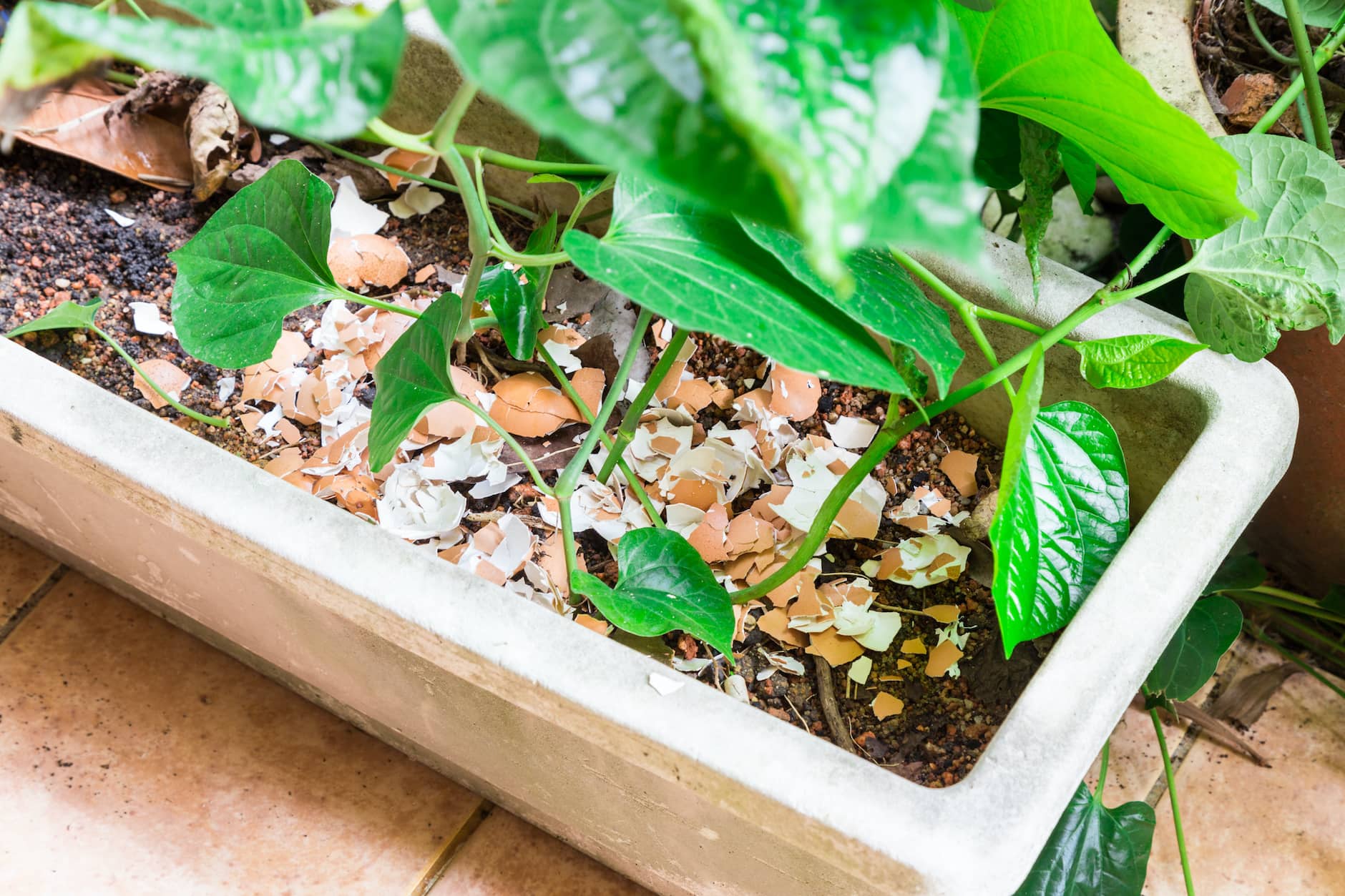
Egg shells help lower the acidity of your soil.
If you’ve ever used lime on your garden, then you know it comes with lots of benefits — chiefly, it helps lower the acidity of your soil for plants that don’t like acid, and it provides plants with lots of calcium, which is an essential nutrient. Lime itself is an all-natural fertilizer that you can buy at the garden center, but if you’d rather save some money, there is a cheaper way to get the same benefits. Simply wash out the eggshells from your kitchen, save them, and crush them to use in your garden. It turns out that eggshells are 93% calcium carbonate, which is the scientific name for lime. See what else you can do with eggshells here!
8. Banana Peels
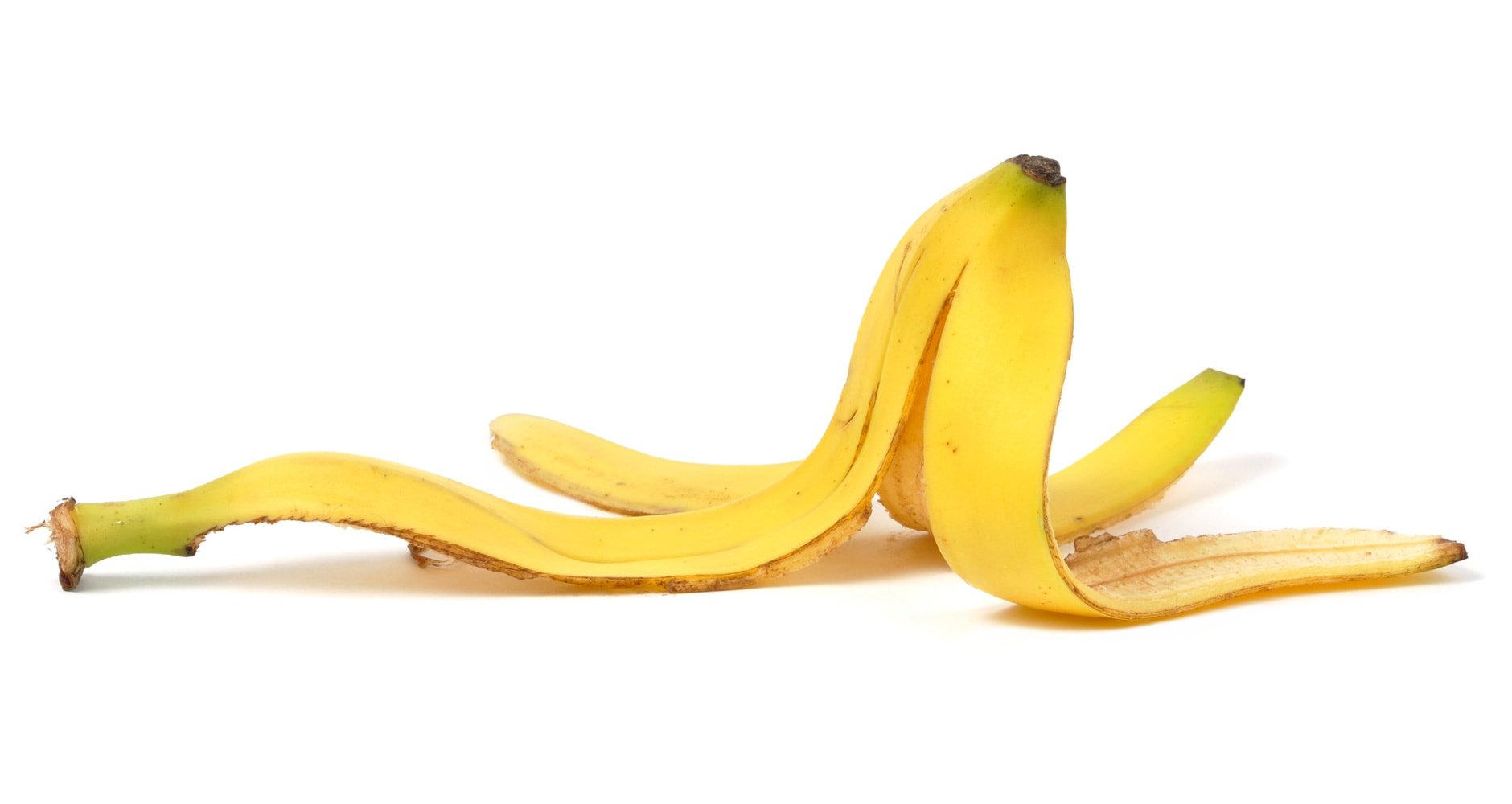
We eat bananas for their potassium, and roses love potassium too. Simply bury peels in a hole alongside the rose bush so they can compost naturally. As the rose grows, bury the peels into the soil’s top layer. Both of these approaches will provide much-needed potassium for the plant’s proper growth
What are the easiest and most nutritious vegetables to grow?

QUESTION: What are the easiest and most nutritious vegetables to grow? I’m still new to gardening so I probably wouldn’t succeed with anything …
What are the easiest and most nutritious vegetables to grow?
Garden Lingo

If you need a quick reference or intro to gardening terms, here’s a basic list.
ANNUALS
Varieties that complete their life cycle in one year or less, requiring sowing every year. Annual flower varieties often bloom profusely and over a long period of time.
BIENNIALS
Varieties, both flowers and vegetables, that complete their life cycle in two years, usually just showing only leaf growth the first year, and flowers the next.
BABY GREENS
Young, leafy vegetables or herbs that are harvested at 2″–4″ tall.
BOLTING
The condition of premature flowering in edible crops, often making the plant unpalatable.
BURPLESS CUCUMBERS
Cucumbers that do not produce, or produce very little of a chemical called cucurbitacin, which produces a slight bitter flavor mainly concentrated in the skin and causes minor indigestion in some people.
COLD CLIMATES
Botanical Interests defines cold climates as those that experience freezing temperatures; generally, USDA zones 9 and cooler.

COLD FRAME
A four-sided frame placed on the ground or in a garden bed that has a clear top. By design, it increases temperatures over the ambient temperature and is used for growing seedlings for transplant or for food crops, extending the harvest season.
COMPANION PLANTING
Planting different plants together that benefit one another. For example, sowing a plant that attracts pollinators next to a plant that requires pollination.
COMPOST
Organic matter often made from decomposed/broken down plant material. Compost can be used to replenish soil nutrients and introduce soil biology to a growing area or simply to reduce landfill waste.
COVER CROP
Fast growing plants, usually grains, legumes, or grasses that are utilized for one or more of their soil-enhancing qualities. These crops are usually worked into the soil or removed before they produce seed.
CROP
A plant that is cultivated for harvest, like cutting flowers or vegetables.
CULTIVARS
A species that was selected or bred by humans for a particular feature. Cultivars carry a specific name in addition to the scientific name and/or common name, e.g. ‘Brandywine’.
DAYS TO EMERGE
Number of days, on average, that it will take a seedling to emerge from the soil or medium in favorable conditions.
DAYS TO HARVEST
Number of days from sowing (or transplant) to harvest.
DEADHEADING
Cutting spent flowers off a plant, encouraging the plant to bloom again; extending the bloom period.
DETERMINATE
Describes tomatoes that stop growing when fruit begins forming from the topmost flower bud, making them more compact at around 3’–4′. Most of the crop ripens within a couple weeks time, making these a great choice for canning.
DIRECT SOW
Sow seeds directly in their permanent growing space.
DISEASE RESISTANCE
Exhibiting less susceptibility or an immunity against specific diseases as compared to other varieties.
DISEASE TOLERANCE
Better ability to thrive with the stress of infection as compared to other varieties.
DROUGHT TOLERANT
Ability to survive or thrive in low water conditions. Also known as “water-wise.”
ETIOLATION
Characterized by lanky, weak, pale plant growth, resulting from low or no-light conditions.
FAIRLY DROUGHT TOLERANT
Ability to survive or thrive in low water conditions, but to a lesser extent than “drought tolerant” plants.
FROST TOLERANT CROPS
Crops that tolerate some cool weather and even frost, although the amount of tolerance varies between crops and even varieties.

FROST SENSITIVE CROPS
Crops that are not frost tolerant and will die as a result of exposure to freezing temperatures.
FRUIT
A seed capsule that emerges from a flower, such as a tomato or melon.
FULL SUN
Six or more hours of sunlight.
GERMINATION
The moment when a seed begins to grow.
GMO
Stands for Genetically Modified Organism. Commonly means genetically engineered, indicating that the variety was manipulated at the gene level in a laboratory.
GYNOECIOUS
A plant with only pollen-accepting flowers. A pollinator plant with pollen-producing flowers is required for fruit production. These varieties are generally very productive and fast to mature.
HARDENING OFF
The 7 to 10-day process of acclimating plants started indoors to outdoor conditions.
HARDINESS
The degree to which a plant can withstand cold temperatures. Botanical Interests uses “hardiness” to also indicate the lifespan of a plant, e.g. annual, biennial, or perennial.
HEAT TOLERANCE
The ability to resist heat-triggered issues like poor pollination, bitterness, premature flowering, and lack of fruit-set.
HEIRLOOM
Botanical Interests considers open-pollinated varieties over 50 years old to be heirloom.
HYBRID
Modern F1 (filial 1) type hybrid. Two specific parent varieties are bred to achieve a first generation hybrid offspring. F1 hybrids are not open-pollinated. Traditionally, “hybrid” indicates any variety that had been made by cross-pollinating, even if that was completed by hand or an insect.
INDETERMINATE
Describes tomato varieties that continue to grow and produce tomatoes all season until first frost: therefore, you can find tomatoes at all stages on the plant at one time. Also called “pole” tomatoes because supports are helpful in guiding plants that can easily reach 6′ or more.
LATIN NAME/SCIENTIFIC NAME
The two or more part name that is unique to a specific species. Scientific names are consistent in any language, whereas a species may have several common names that may even vary by region.
MEDIUM
For horticultural purposes, a medium is the material plants grow in.
MICROGREEN
Young, leafy vegetables or herbs that are harvested just above the soil line when the plants have their first pair of leaves, called cotyledons, and possibly the just-developing true leaves.
MILD CLIMATES
Botanical Interests defines mild climates as those without freezing temperatures; generally, USDA zones 10 and warmer. By using microclimates and protections some cooler USDA zones can also use mild climate sowing instructions.
MONOECIOUS
The attribute of a plant producing both pollen-producing and pollen-receiving parts.
NATIVE
Botanical Interests identifies varieties that are native to the U.S. as “native”.
ORGANIC SEED
Describes seeds grown on certified organic property, following strict USDA guidelines regarding soil quality, pest and weed control, and the use of additives like fertilizers.
OPEN POLLINATED
Varieties that produce seeds that are “true”, growing into nearly identical plants as the plant they were harvested from (if they are not cross pollinated). Unless a Botanical Interest variety is identified as a hybrid, it is open pollinated.
PART SUN/PART SHADE
3 to 6 hours of sunlight.
PARTHENOCARPIC
The attribute of a variety producing fruit without fertilization. Cultivars produce seedless fruits when flowers are unpollinated, making them ideal for greenhouse production where pollinators may be excluded. When pollinated, these types produce seeded fruit.
PERENNIALS
Varieties that live for two or more years.
PHOTOPERIODISM/DAY LENGTH RESPONSE
Refers to a reaction some organisms have to the length of day or night. In plants this reaction is usually flowering.
POLLINATION
The fertilization of a flower by wind, insect, birds, etc. where the male pollen reaches the female stigma, resulting in a seed, sometimes surrounded by an edible fruit like a pepper.
POLLINATOR
An organism that transfers pollen.
ROW COVERS
Fabric that is used to either exclude pests or raise temperatures of the area beneath it. “Remay” is a type of poly-spun row cover material commonly used in farm and garden settings and it comes in several different thicknesses. Row covers may or may not have hoops under it to create a “low tunnel”.
SCARIFICATION
The process of breaking through a hard outer covering of a seed to allow moisture to penetrate.
SELF-SOW
To drop viable seeds to the ground. In some varieties, often annuals, if seeds are allowed to drop, those seeds will germinate, perpetuating the variety. The subsequent seedlings are often referred to as “volunteers”.
SEMI-DETERMINATE
Growth type of tomatoes that falls between determinate and indeterminate types. They produce a main crop that ripens within a couple weeks, but also continue to produce up until frost.
SPROUT
Germinated seeds that are not grown in medium but instead rinsed in water and drained several times a day.
STRATIFICATION
The process of subjecting seed to a moist and cold treatment to break dormancy, which occurs naturally when seed is sown outdoors in the fall and experiences a winter period.
SUCCESSIVE SOWING
Sowing at least once more after the initial sowing, which extends the harvest. Three ways to successive sow: 1. Staggering sowings of the same crop 2. Sowing two varieties of the same crop with different maturing dates 3. Replacing one finished crop with a different crop.
TENDER PERENNIAL
A perennial that is not cold hardy in all zones. For Botanical Interests purposes, perennials hardy in only USDA zones 7 and higher are called tender perennials.
THINNING
The act of reducing extra seedlings so that remaining plants are spaced properly.
TRANSPLANTING
Transferring a plant to a different growing space.
UNTREATED SEED
Seed that does not have a chemical treatment such as fungicide applied to it.
USDA HARDINESS ZONE
The historical, average, lowest winter temperature in specific geographic US areas. Perennials are rated using the USDA zone system, indicating the coldest temperature and USDA zone in which they can survive. “Deltona is in USDA ZONE 9b”
VARIETY
A species that has naturally formed a unique characteristic, for example from cabbage (Brassica oleracea) came kale (Brassica oleracea var. viridis) and kohlrabi (Brassica oleracea var. gongylodes) which both adapted unique, characteristics that differ from cabbage and so the variety (“var.”) name was added to the species name.
VERNALIZATION
A cold treatment, such as found in cold winter conditions, that induces flowering in some varieties.
VOLUNTEER
A plant that emerges from being self-sown or sown by an animal rather than by the gardener.
Herbal Mosquito Repellent
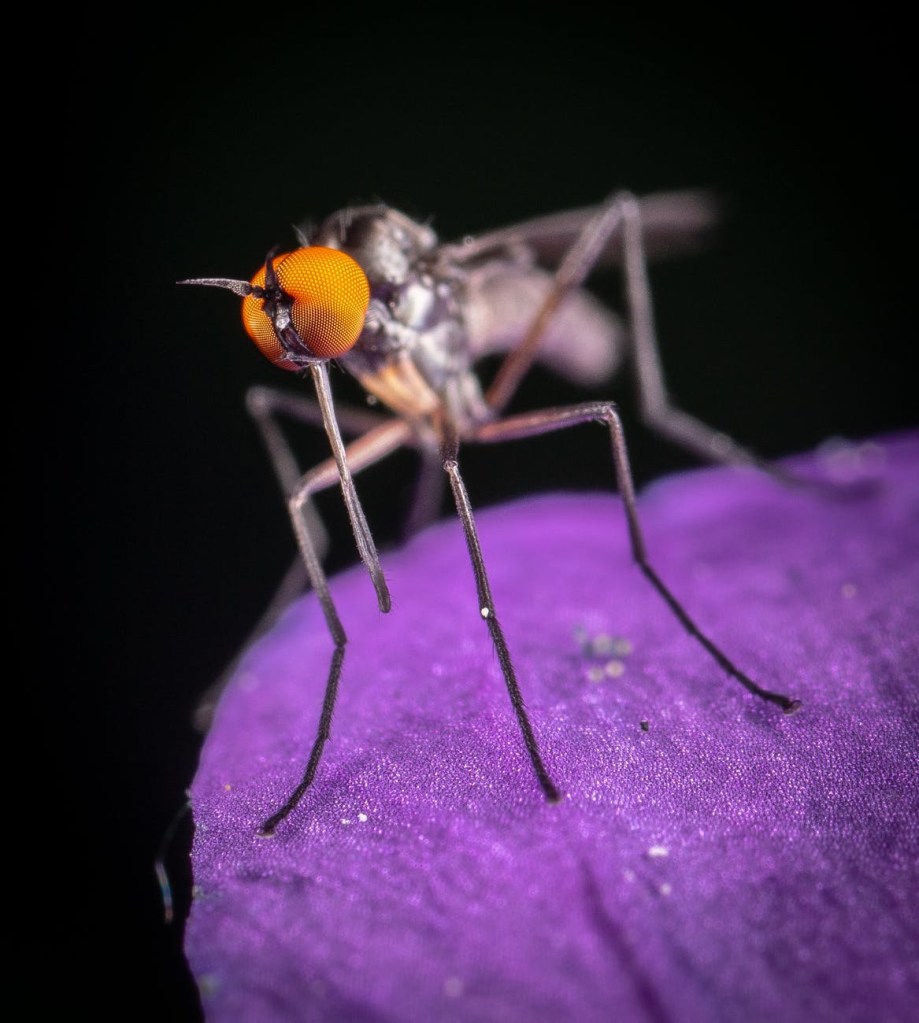
Makes about 8 oz.
Ingredients
- 4oz. organic catnip leaf extract, or make your own tincture
- 4oz. organic witch hazel extract
- 20 drops organic Atlas cedarwood essential oil
- 20 drops organic lemon eucalyptus essential oil
- 20 drops organic lavender essential oil
- 20 drops organic rosemary essential oil
- 10 drops organic lemongrass essential oil
- 10 drops organic lemon essential oil
Directions
- Pour both catnip extract and witch hazel extract into an 8 oz. bottle.
- Slowly drip the essential oils into the bottle.
- Cap the bottle and shake vigorously to combine.
- Store in the refrigerator with tight-fitting lid. Mixture will be shelf-stable for up to a year when stored properly.
To Use
- Replace the lid with optional mister cap or shake bottle and pour some into a smaller spray bottle that you can take with you for day trips. Return remainder to refrigerator.
- Shake well before each use. Spritz over exposed skin, avoiding eyes and mucus membranes.
- Reapply as often as needed.
Heat-Loving Fruit Trees
When planning your USDA zone 9b garden, begin with the trees that love mild winters and hot summers.
The time to plant trees is now 🌳
Consider your garden’s “microclimates”, whether warmer or colder than the average within your hardiness zone, sun exposure, space available and soil type. Always check the recommended hardiness zone for the species and cultivar before making a final selection for your home orchard.
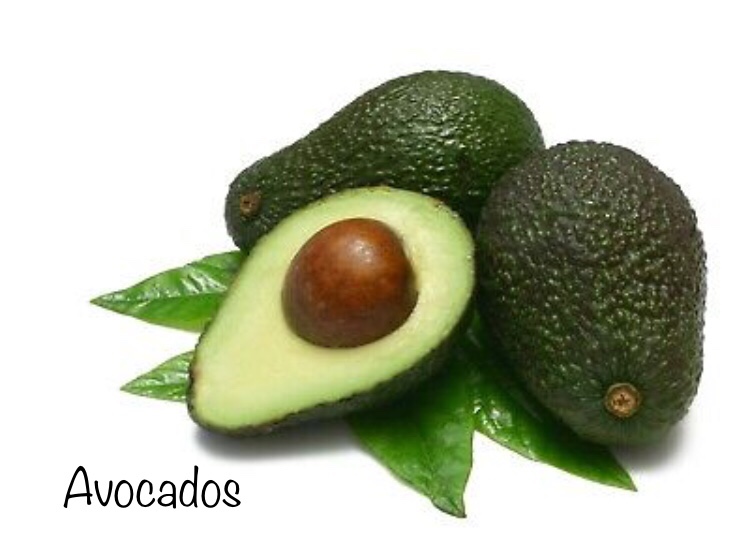
Native to Central America, the avocado (Persea americana) has been cultivated since at least 500 B.C. This subtropical tree grows in zones 8 through 11. The three different types of avocados vary in their cold tolerance. The Mexican cultivars tolerate frosts down to 16 degrees Fahrenheit, Guatemalan down to 24 degrees and West Indian down to 32 degrees. Avocado trees can grow to over 60 feet tall under ideal conditions.
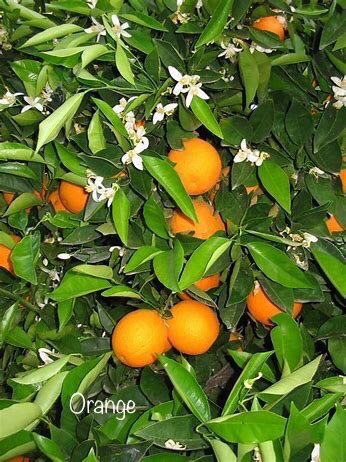
The lush fruits of citrus trees (Citrus spp.) make them a desirable addition to your zone 9b garden. In general, the many cultivars of lemon, lime, orange and mandarin thrive in zones 9 and 10. A few, such as pummelo and grapefruit, need extra protection if frost threatens.
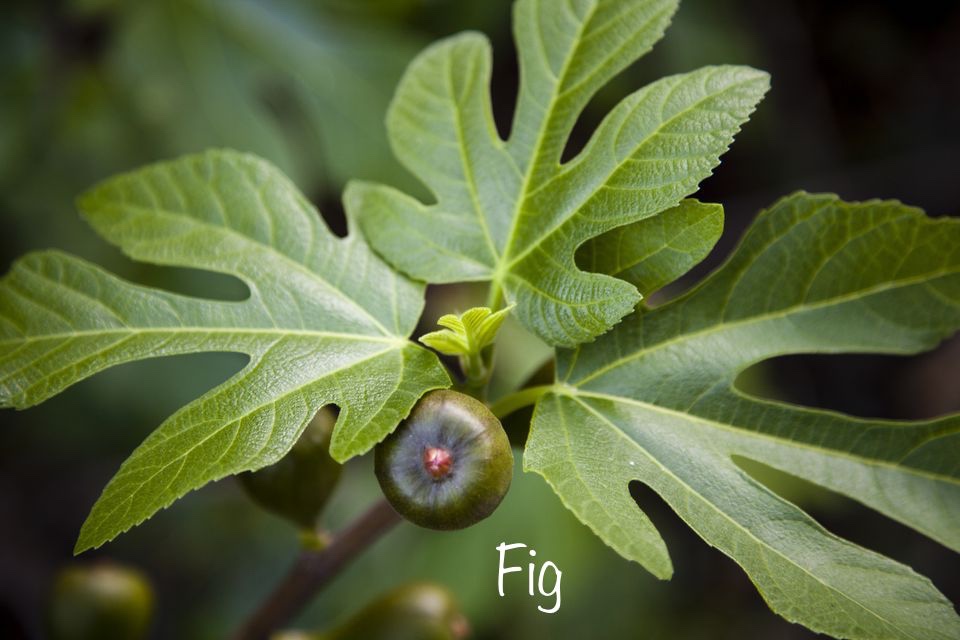
Grown in climates from temperate to tropical, the fig (Ficus carica) grows in zones 5 through 10, depending on the cultivar. Native to western Asia, figs have been cultivated throughout the Mediterranean since at least 5000 B.C. The Spanish brought figs to Mexico in 1560 and to California’s San Diego Mission in 1769. ‘Chicago Hardy’ is the hardiest of the figs, grown in zones 5 through 10. Other fig cultivars, such as ‘LSU Gold’ and ‘LSU Purple,’ prefer the warmer temperatures of zones 7 through 10. Most figs are self-fertile but produce a larger crop when a second tree is planted nearby.
Plant loquat trees (Eriobotrya japonica) in zone 8 through 10 gardens. You can prune the 10- to 25-foot tall evergreen trees to a shrub or tree form. The small orange fruits are described as a combination of a plum and kumquat. Loquats do well in full sun and partial shade.

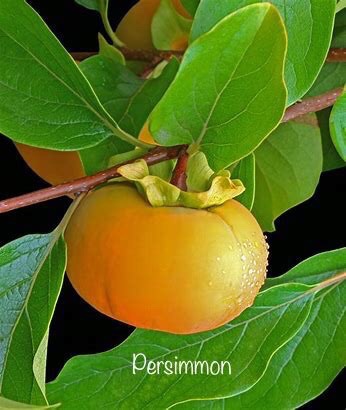
Persimmon trees are native to Asia (Diospyros kaki) and North America (Diospyros virginiana). The Asian species thrive in zones 6 through 10, while the native trees are more cold tolerant, growing in zones 4 through 10. The cold and heat tolerance of both species depend on the particular cultivar. The fruits of native persimmons, and some of the Asian cultivars, are lip-puckeringly astringent until fully ripened.
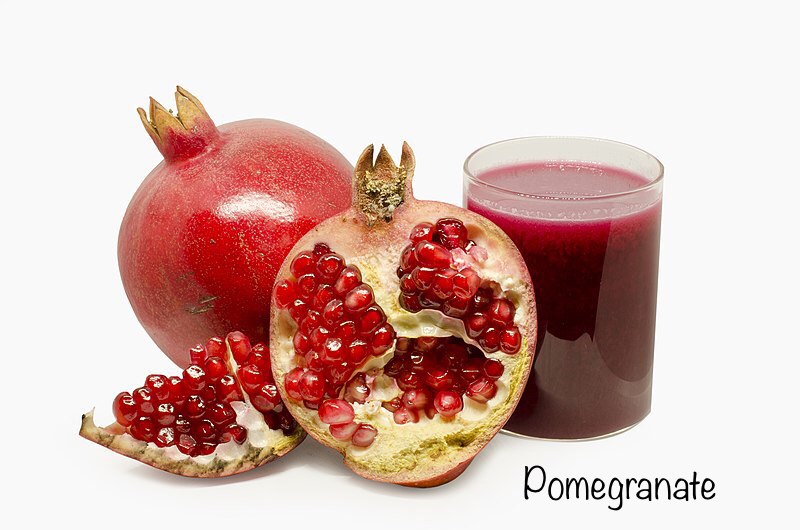
The pomegranate (Punica granatum), a native of southern Europe and middle to western Asia, thrives in zones 8 through 10. It attracts hummingbirds and bees to its orange-red flowers and produces rounded fruits filled with juicy sacs that contain its edible seeds.
New Cultivars of Old Favorites
In general, many favorite fruit tree species have minimum chilling requirements. The winter chilling requirement is a range of hours each year that hover just above freezing, between 32 and 45 degrees Fahrenheit. The three basic ranges are high at 1,000 chilling hours or more, medium at 700 to 1,000 chilling hours and low at less than 700 chilling hours. There are a few cultivars that require few or no winter chilling hours, which are suitable for USDA plant hardiness zone 9b.
Planting your own apple (Malus domestica) orchard in zone 9b requires heat-tolerant and low-chill varieties. Among the apple trees that thrive in the mild winters and hot summers of zone 9b are ‘Golden Delicious’ (zones 4-9); ‘Anna,’ ‘Ginger Gold’ and ‘Granny Smith’ (zones 5-9); ‘Ein Shemer’ (zones 6-9) and ‘Cinnamon Spice’ and ‘Dorsett Golden’ (zones 5-10).
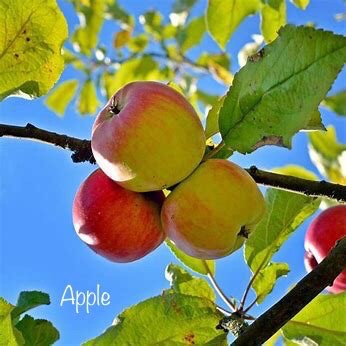
Like apples, most apricots (Prunus armeniaca) require more chilling hours than zone 9b can provide. There are a few low-chill varieties, including ‘Garden Annie’ and ‘Tropic Gold’ (zones 6-9). There are also a variety of apricot hybrids (Prunas salicina or Prunas cerasifera x Prunus armenica) available. Of these, ‘Cot-N-Candy’ and ‘Summer Delight’ apriums (zones 7-10) and ‘Candy Stripe’ and ‘Flavor Supreme’ pluots (zones 6-9) will all produce a good harvest in your zone 9b garden.
Natives of Asia, the Asian pears (Pyrus pyrifolia and Pyrus ussuriensis) thrive in a wide range of climates, from zones 4 through 10. There are thousands of cultivars available in Asia and several dozen in North America. The crisp, apple-like fruits smell and taste like pears. Add two different cultivars to your garden to ensure a good crop. ‘New Century’ (zones 4-9) and ‘Hosui’ and ‘Korean Giant’ (zones 7-10) are among the cultivars that will produce fruit in zone 9b.

European-Asian pear hybrids (Pyrus communis x Pyrus pyrifolia) will grow and produce fruit in your garden. ‘Flordahome’ (zones 8-10), ‘Leconte’ (zones 8-9), ‘Hood’ and ‘Spaulding’ (zones 6a-9), and ‘Maxie’ (zones 5-9) are among the possibilities. Some cultivars are self-fertile; plant two to ensure a good harvest.
Though sour cherries (Prunus cerasus) require more chilling hours than your zone 9b garden can provide, you can still grow a few sweet cherry (Prunus avium) cultivars. Your cherry orchard might include sweet and juicy ‘Lapins,’ ‘Sam Sweet’ and ‘Starking Hardy Giant’ (zones 5-9). When selecting cherry trees, consider your available space. Dwarf and semi-dwarf trees are suitable for most home gardens. Standard trees grow up to 30 feet tall with an equally wide canopy.

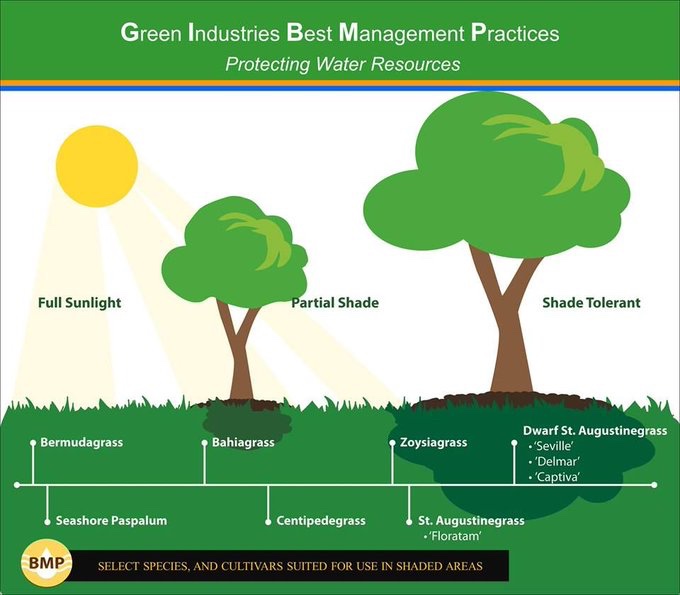
Most North American native pawpaw trees (Asimina triloba) prefer the colder winters of zones 4 through 8. Low-chill cultivars include ‘Mango,’ ‘Shenandoah’ or ‘Wabash’ (zones 5-9). Pawpaw trees grow from 12 to 25 feet tall and equally wide, depending on the amount of sunlight they receive. The trees tolerate partial shade, making them a good choice in gardens that are shaded by walls, buildings or larger trees in the afternoon. Two different cultivars are needed for pollination and fruit production.

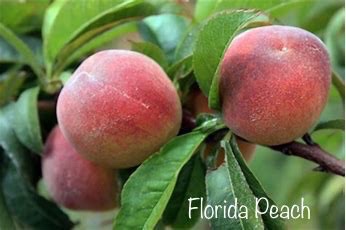
Peaches (Prunus persica) and nectarines (Prunus persica nectarina) are essentially the same species. Nectarines are a smooth-skinned subspecies of the peach. Peaches ‘Desertgold,’ ‘Galaxy’ and ‘Newhaven’ (zones 5-9), as well as nectarines ‘Crimson Gold’ and ‘Flavortop’ (zones 5-9), are among the better choices for home gardens in zones 9b.
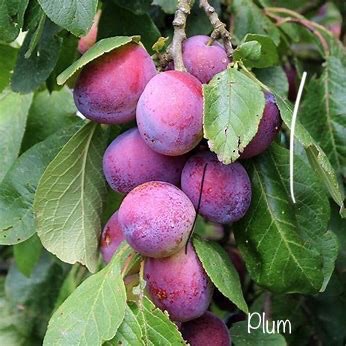
From ‘Burbank’ to ‘Santa Rosa,’ Japanese plum trees (Prunus salicina) offer a wide range of cultivars suitable for zones 5 through 9. European plums (Prunus domestica) also grow in zones 4 through 9, with a few cultivars suitable for zone 9b.
Protect Your Trees From Freezing Temperatures
To successfully grow subtropical and tropical fruit trees in zone 9b, monitor weather forecasts. When a frost is predicted, protect your trees by covering them with fabric or plastic sheeting “suspended on poles”.
Weigh the edges down with bricks, rocks or boards to prevent cold air from seeping under the coverings. A heavy layer of mulch, at least 4 to 5 inches, placed over the root ball and thorough watering before the temperatures drop also help protect the tender roots of cold-sensitive trees.
Be sure to remove plastic off your tree as soon as the sun rises. The sun will heat up inside the plastic and do more harm than good. Use plastic as a last choice.
Over the years, i stopped covering plants. I found they were capable of survival on their own. It became exhausting and now I only keep choices suited for 9b growing!!
Composting ”is” Recycling
Driving through the neighborhood I’ve been noticing so many big green trash bags of “leaves”🍁🍂 curbside for trash pick up. I often wonder why leaves get bagged up.
Leaves can be “recycled” and mulched with a mower which in turn adds moisture back into the soil.
If you are “new to Florida” in general, your lawn or gardens will be glad to utilize dead leaves!! If you are patient, those leaves pretty much disintegrate sitting in our toasting sun, and disappear.The same principle goes for tree branches.
What is “compost”?
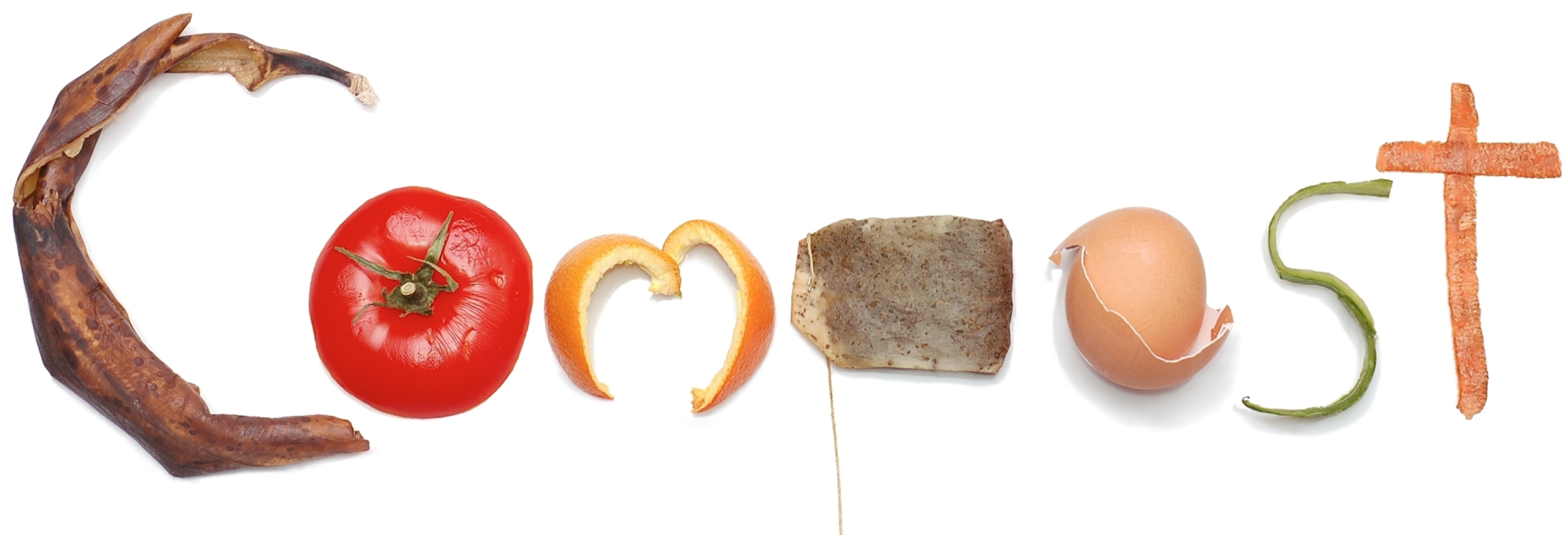
As a verb, “to compost” or “composting” refers to the process used to make compost. In general, this process involves mixing together a variety of food wastes, yard wastes, and/or other compounds in proportions that are favorable for the growth and reproduction of bacteria.
Compost is both a noun and a verb. As a noun, it refers to decayed organic matter, which is a fancy term for formerly living things (plant and/or animal) that have been broken down by the feeding of bacteria and other tiny creatures into something that looks more or less like soil. This organic matter (see soil for a discussion of organic matter) is a useful addition to soil, and compost is sometimes talked about as though it were a fertilizer.
While it does contain nutrients plants need, compost is really more of a soil amendment, whose primary benefit to the soil is an increase in organic matter content rather than a significant increase in the levels of particular nutrients.
As discussed under soil, higher organic matter yields a number of benefits – higher water retention of the soil, improved retention and availability to plants of any fertilizer that you do apply, increased numbers of soil-dwelling organisms, etc., etc.
Within the compost “pile” made of these materials, bacteria begin to feed and multiply. These bacteria occur naturally on the surfaces of many living things and do not need to be added to the pile to make composting happen.
The bacteria eat and eat and reproduce and reproduce until most of the readily available nutrients are used up. This process, which can take as little as a few weeks or as long as months (depending on how much or little you manage the pile) usually results in a substantial decrease in volume of the ingredients used to make the initial compost pile. Loss of 40-60% of the volume of your initial pile is not uncommon. If you manage the pile at all well, the material you end up with should look (as mentioned above) and smell more or less like soil.
There are many reasons. At the most abstract level, composting takes non-toxic materials that would otherwise end up in landfills and returns them to the soil in a useful form.
Food production should be a closed loop, meaning that food wastes (and perhaps human manure, as well) are returned to the soils used to produce the food to begin with. At present, most food production in the United States represents open loops – food comes from places, and food wastes end up in other places.
Composting is a small step toward closing food loops. Of more relevance to individual gardeners, compost itself improves garden soils in various ways (as discussed above). Well-managed “hot” composting can kill weeds and any seeds they might be carrying, so it’s a safe way to return the weeds you kill to your garden.
Scientists have also recently begun to document a phenomenon noticed for some time by organic farmers, which is that application of compost to soils can actually help to prevent various plant diseases, particularly fungal ones. Why and how this works is still not very well understood.
For those who like physical work and are seeking “useful” excuses to be outside, building and managing a compost pile can also be just plain fun.
Pseudo-composting
Some of us prefer “pseudo-composting,” which involves just heaping these materials up out of the way somewhere!
They will decay this way, but more slowly than if you compost them as described below. This form of composting does not necessarily kill weeds or weed seeds and the piles can in fact become homes for more weeds.
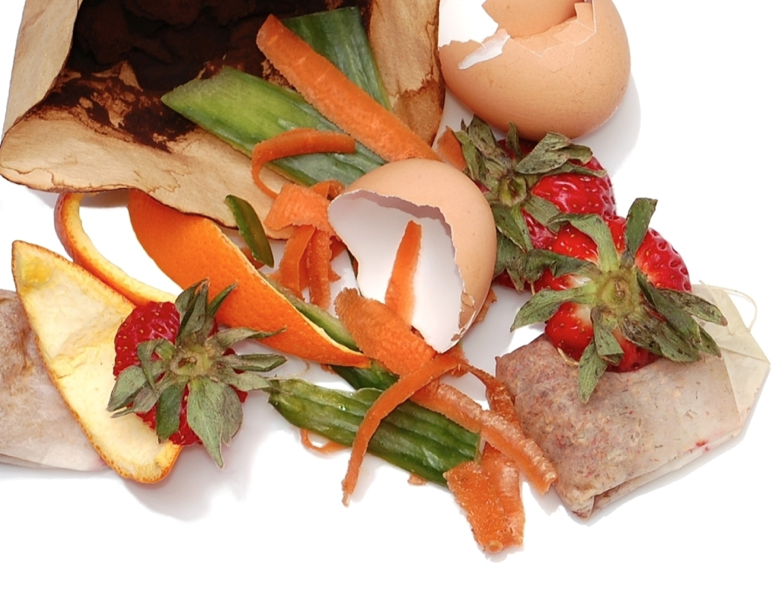
Pseudocomposting with kitchen waste (eggshells, fruit peels, coffee grounds, etc.) can also attract raccoons, possums, and other undesirable pests. To help keep these pests away, you can cover your kitchen wastes with layers of newspaper, cardboard, or leaves.
To be continued….
Attracting Hummingbirds and Butterflies
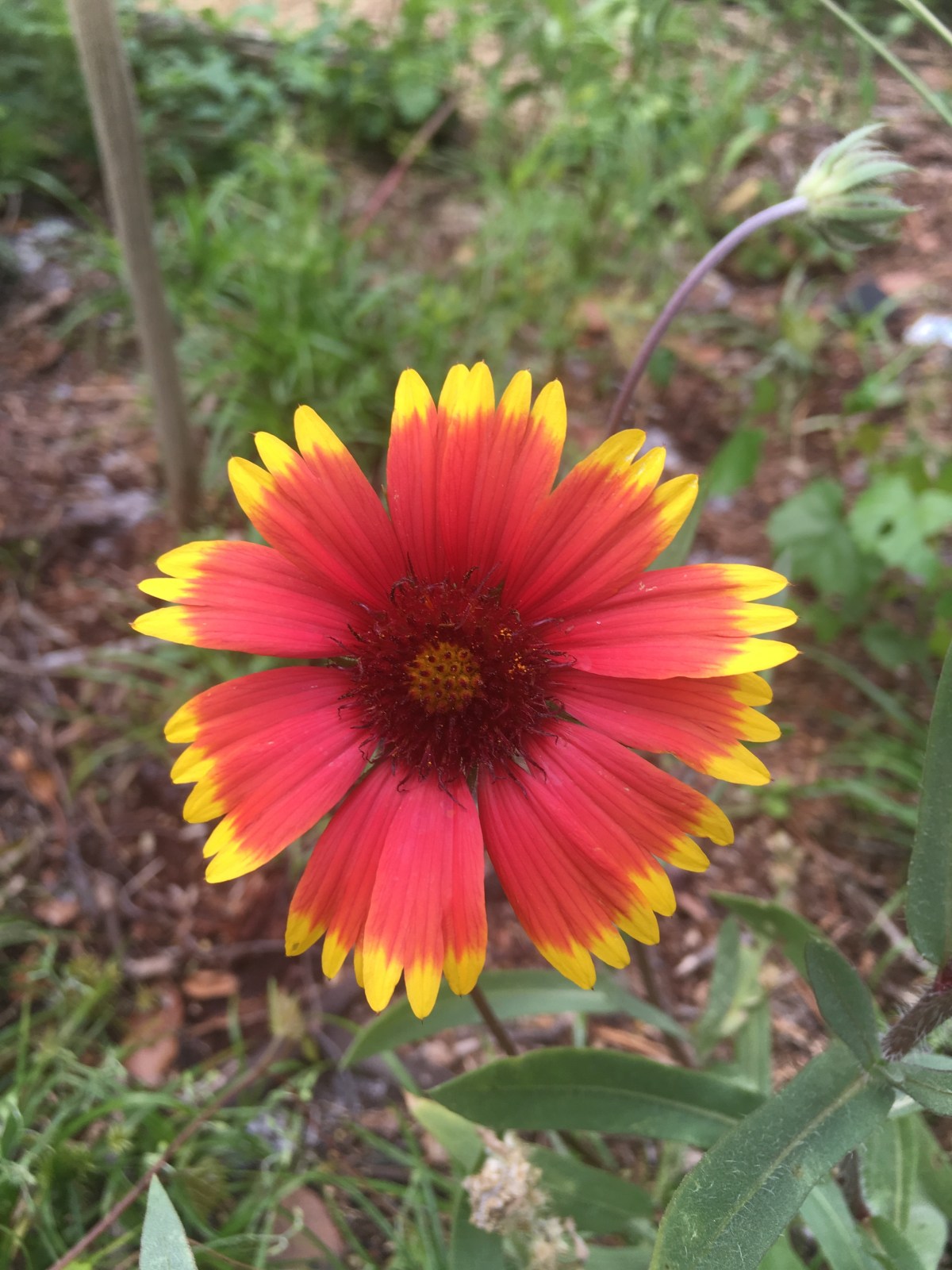
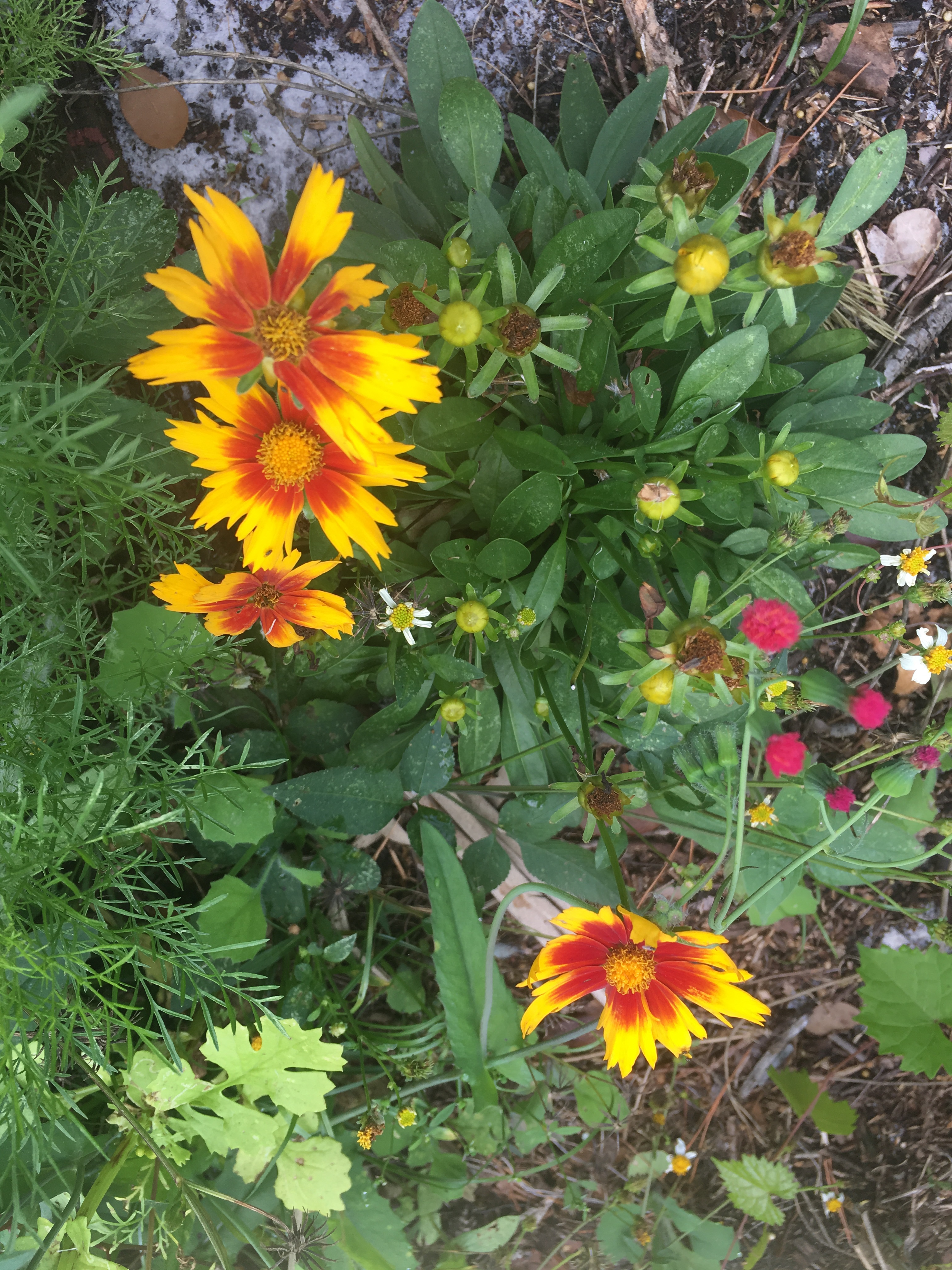
Seeding: You will want to have good seed to soil contact, broadcasting by hand is a good approach on small plot, may want to mix with an inert carrier, sand or other. Raking in and covering with soil 2-3 times seed thickness.
Watering: During establishment for the first month, can be from rain in spring or supplement with irrigation. 💦
Timing: The best time to plant is in spring to early summer and even again in late fall.
Pretty amazing assortment to get you started on your very own wildflower garden.
If you plant it, they will come! 🐝🦋
Click anywhere on the photos for more detail.


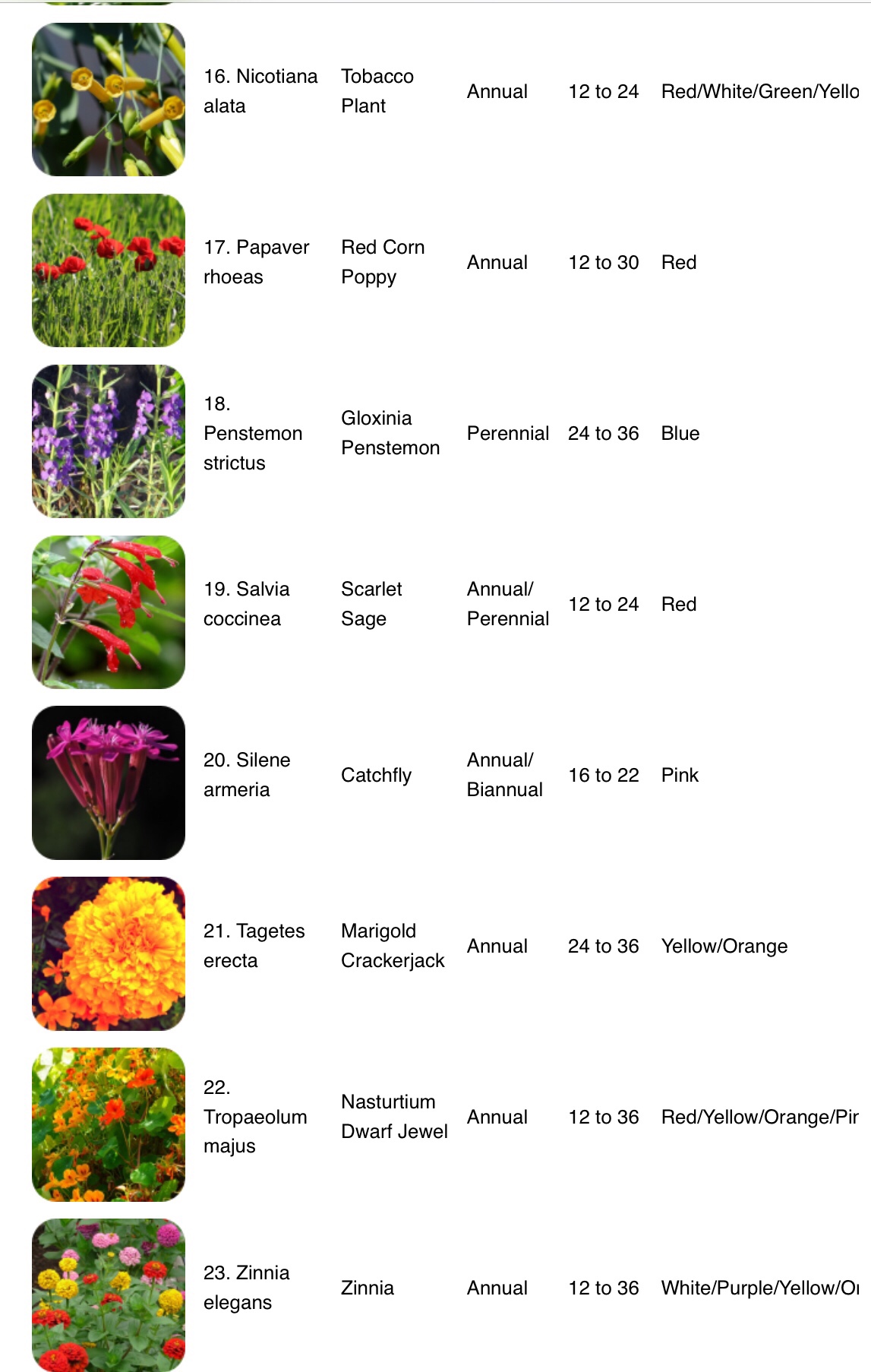
Scatter and enjoy!!!
 Deltona Garden Community